
Halfway down a mountain grade outside my town, a customer's "upgraded" brake pedal went soft, then long, then straight to the floor. He coasted into a runaway truck ramp at 20 mph with his hazards on and his pride in the glovebox. The cause? Boiled fluid and track pads on a street car.
The brake ladder: spend in this order
After twenty years of brake work, here's the order I recommend to every customer, and it's not the order the ads want:
- Fluid and pads — cheap, huge real-world effect.
- Stainless lines and fresh rotors — feel and consistency.
- Track pad + race fluid combo for event days.
- Big brake kit — last, and only if you've proven you need it.
Fluid first, always
Brake fluid is hygroscopic — it drinks water from the air. Water boils at 212°F; brake fluid under hard use runs 300–800°F. When the water in old fluid boils, you get vapor bubbles, and vapor compresses. That's the soft pedal my customer felt.
| Fluid | Dry boiling point | Wet boiling point | Best use |
|---|---|---|---|
| DOT 3 | ~401°F (205°C) | ~284°F (140°C) | Stock daily drivers |
| DOT 4 | ~446°F (230°C) | ~311°F (155°C) | Performance street, my default |
| DOT 5.1 | ~500°F (260°C) | ~365°F (185°C) | Heavy use, still glycol-based |
| DOT 5 (silicone) | ~500°F | ~365°F | Show cars only — never mix |
| Racing fluid | 550–650°F+ | 400°F+ | Track days, changed often |
Flush fluid every 2 years on street cars, and before every track event. Bleed until the fluid at the caliper runs clean and amber.
Pads: the compound is the whole game
Brake pads are friction material, and friction is a temperature story. Street pads bite cold and stay quiet but fade hot. Track pads need heat to work and will be stone-cold useless on your first morning mile.
For a fast street car, a good performance street pad (think ceramic or low-metallic performance compounds) shortens stops noticeably and resists fade on long grades. For track days, run a dedicated track pad — and honestly, many smart drivers swap pads per event with a second set of wheels.
Bed-in matters. Most pads want 6–10 moderate stops from about 35–40 mph down to 5 mph, without coming to a full stop between them, to lay an even transfer layer on the rotor. Skipping bed-in causes judder and uneven deposits. I tape the instructions to the steering wheel for customers.
Rotors: slots, drills, and cracks
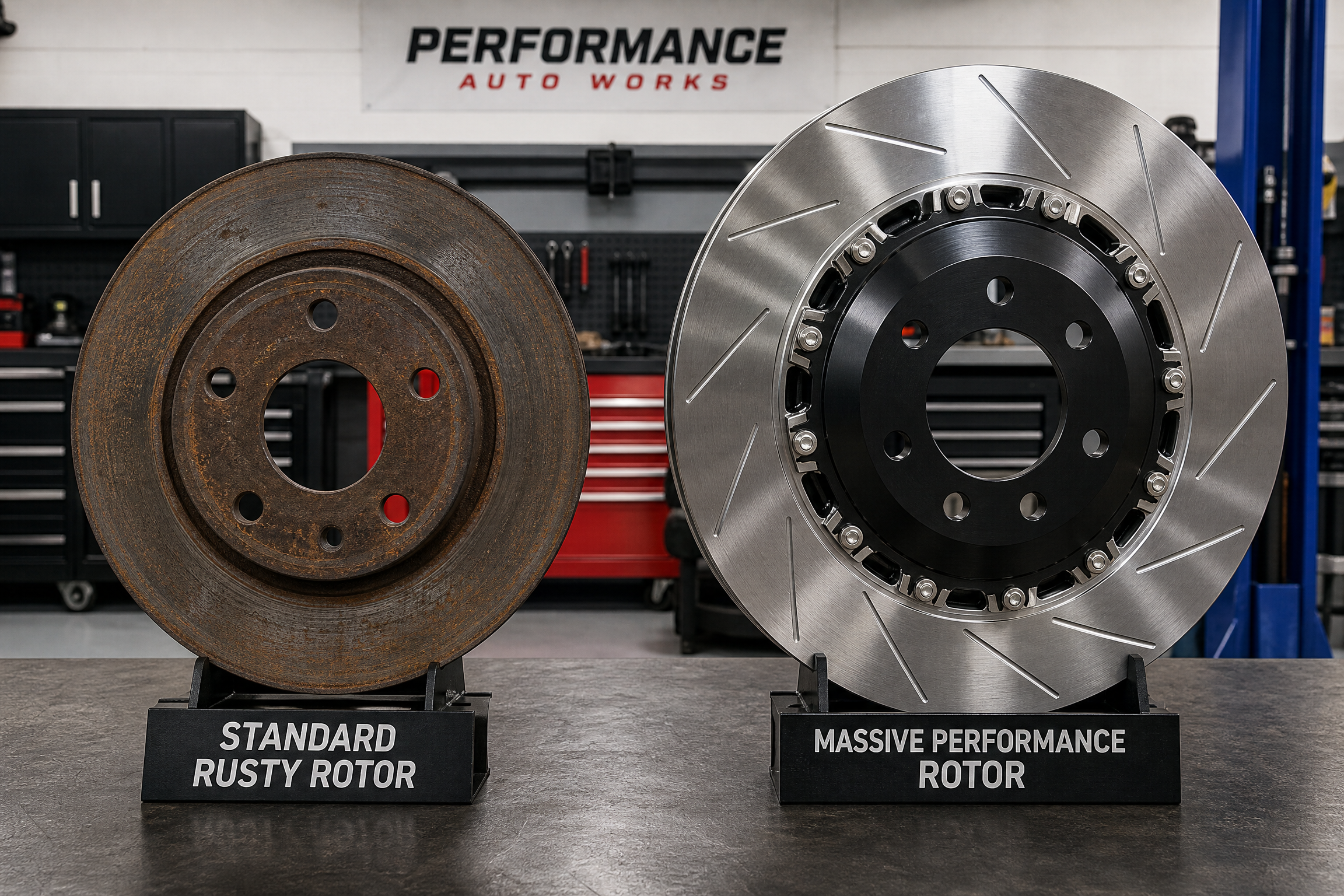
Blank rotors are fine for the street and last longest. Slotted rotors clean the pad face and vent gas under hard use — a real, small benefit. Drilled rotors look great and shed a little heat, but the holes are crack starters under real thermal cycling. I've pulled enough cracked drilled rotors off track cars to be blunt about it.
Two-piece floating rotors save weight and handle heat better, but they're a consumable with a price to match. For street use, a good one-piece rotor with quality metal is the sane buy.
Stainless lines: feel, not physics
Factory rubber hoses swell slightly under pressure. Stainless braided lines don't, so the pedal stays firm and consistent, especially hot. They won't shorten your 60–0 distance much, but they make the brake feel trustworthy, and trust matters at speed.
Big brake kits: when they make sense
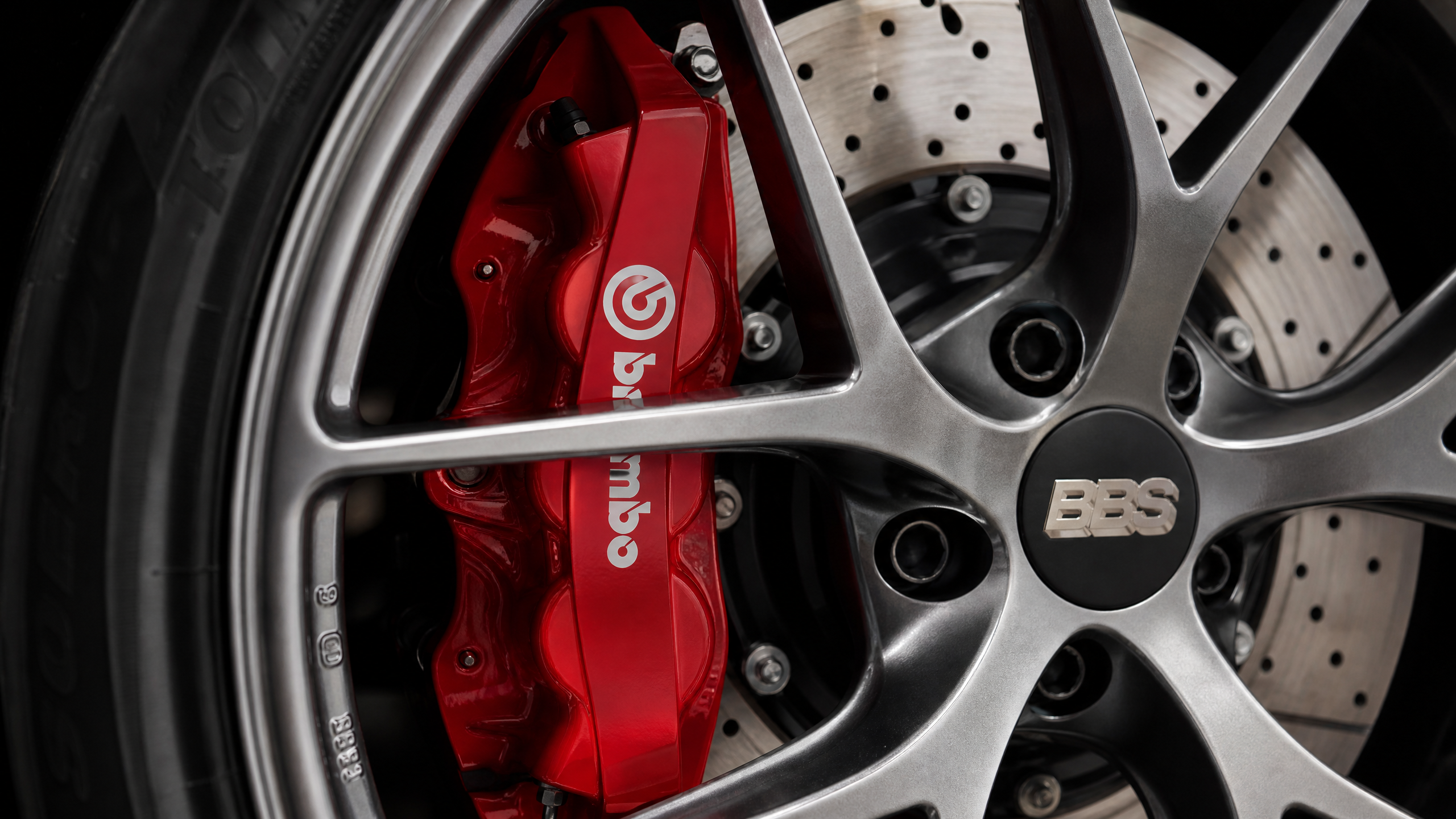
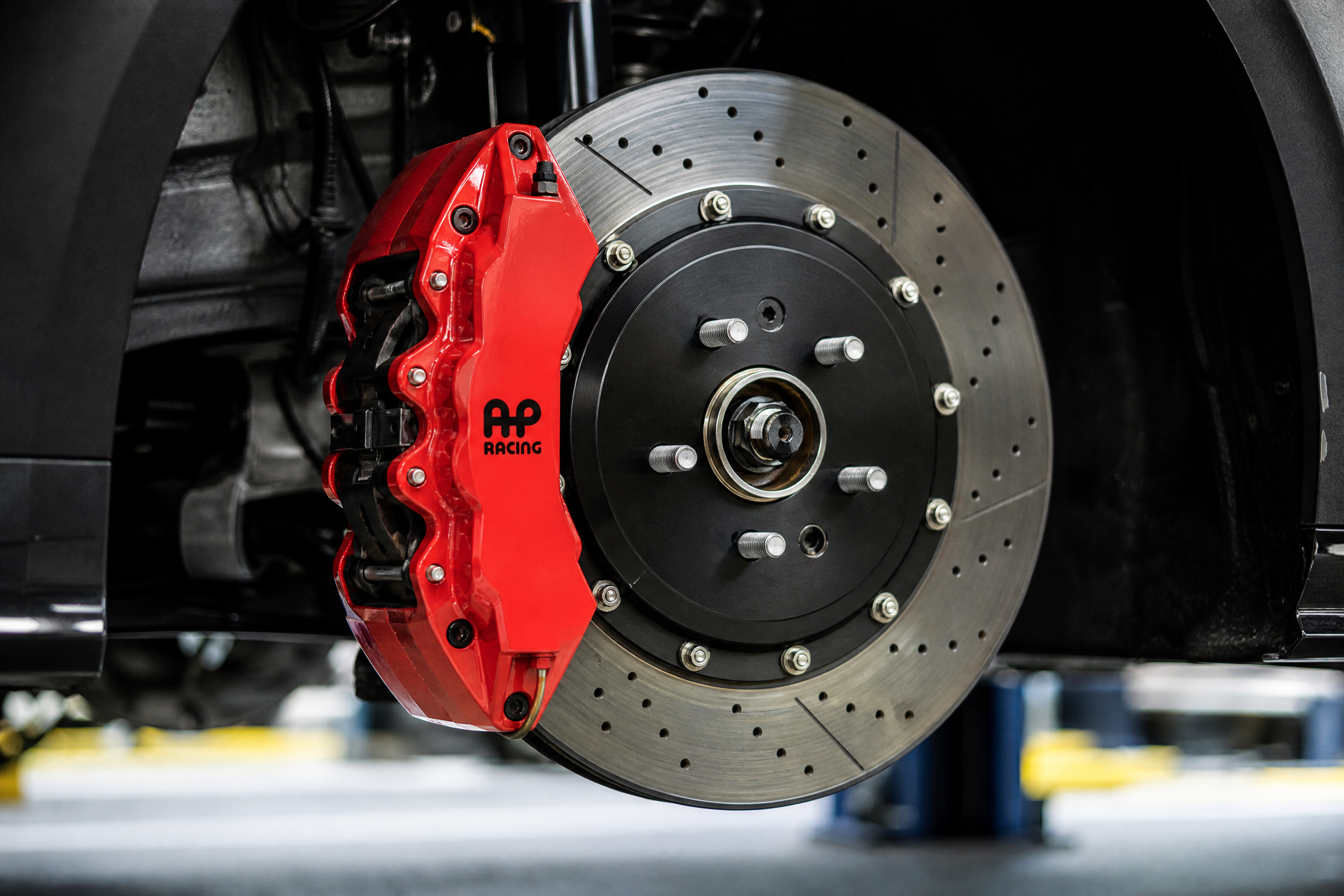
A big brake kit (BBK) brings larger rotors, multi-piston calipers (4, 6, even 8 pistons), and pads with more swept area. The real gifts are heat capacity and fade resistance, not raw stopping power.
Here's the secret: on a street car, the factory brakes can usually lock the wheels. Your tires set the stopping distance. A BBK shines when you brake hard, repeatedly, from speed — track days, canyon loops, towing grades.
Watch the traps: cheap no-name kits with soft caliper bodies flex instead of clamping. Verify wheel clearance (kits often need 17–19 inch wheels with specific offsets). And a serious BBK may need a proportioning or master cylinder review to keep front/rear balance right.
The habits that beat hardware
- Grease caliper slide pins with silicone brake grease at every pad change. Seized pins cause one-pad wear and pull.
- Clean dirt off the master cylinder cap before opening it — grit in the bore kills ABS valves and master cylinders.
- Torque wheel-related fasteners to spec with a torque wrench (banjo bolts are often 15–20 ft-lb; caliper brackets much higher). Guessing is how bleeder screws snap.
- After any brake work, pump the pedal firm before moving the car. The first soft pedal after pads is normal until pistons re-seat — but verify.
Quiz: where should your brake money go first?
1. How do you drive?
2. Ever smelled hot brakes?
3. Pedal feel today?
4. When did you last flush fluid?
5. Budget mood?
Brakes reward honesty. Match the hardware to the heat you actually make, keep the fluid fresh, and the pedal will be there every time your right foot asks the question.
Mike R. bleeds brakes the old way — flare wrench, clear hose, patience — and has never sent a customer down the mountain with a soft pedal.

Leave a Reply