
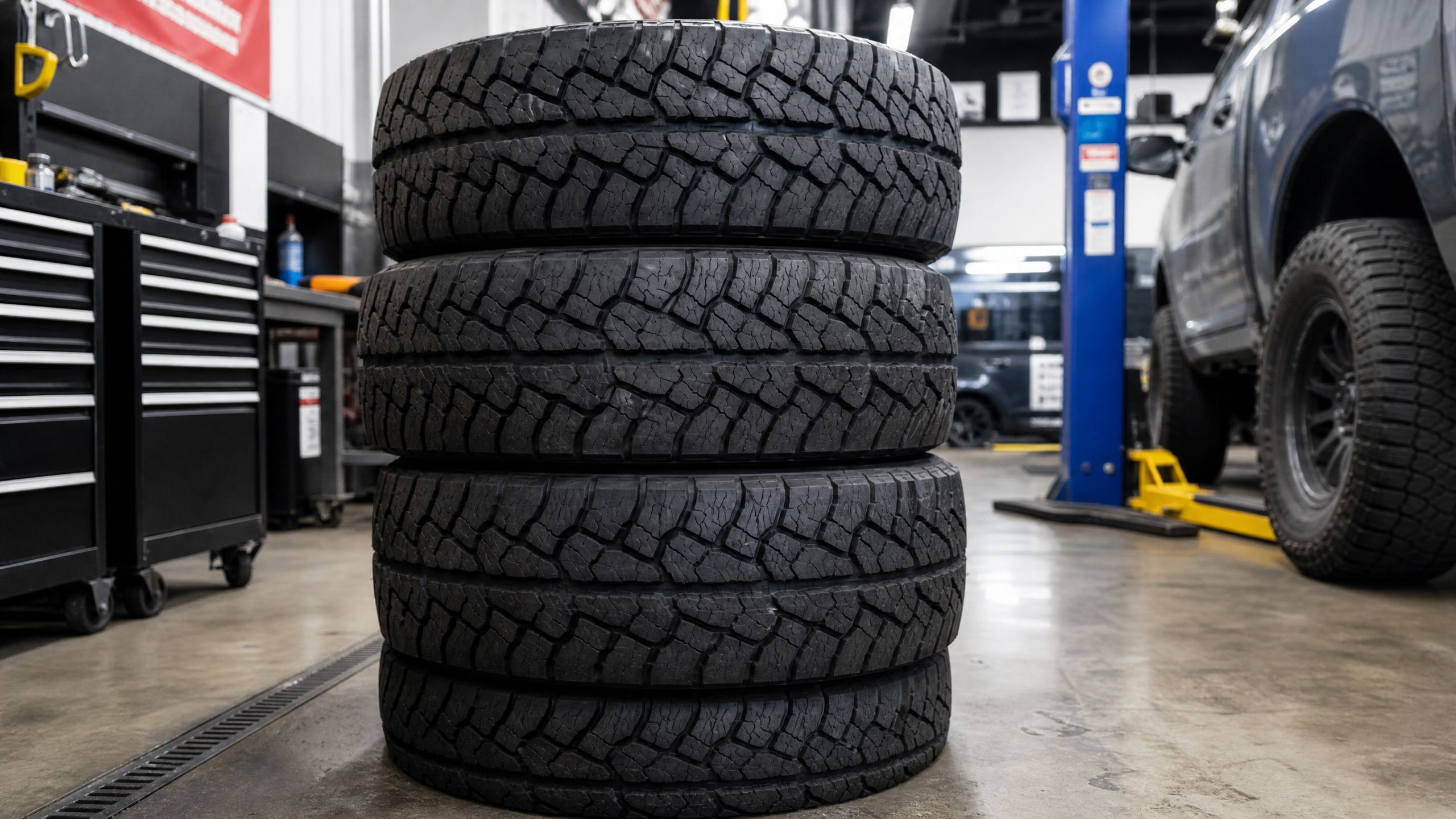
Performance tires influence acceleration, braking, cornering and wet-weather control because they are the vehicle’s contact with the road. Choosing by price or tread appearance alone can lead to poor grip or incorrect fitment. Start with the vehicle’s approved tire sizes, load index and speed rating, then compare compounds and seasonal capability for your driving conditions.
This guide compares tire construction, size, load and speed ratings, seasonal design and fitment considerations. It also explains the limits of common sidewall markings so you can compare options without treating a single rating as a complete performance score.
Read the sidewall correctly
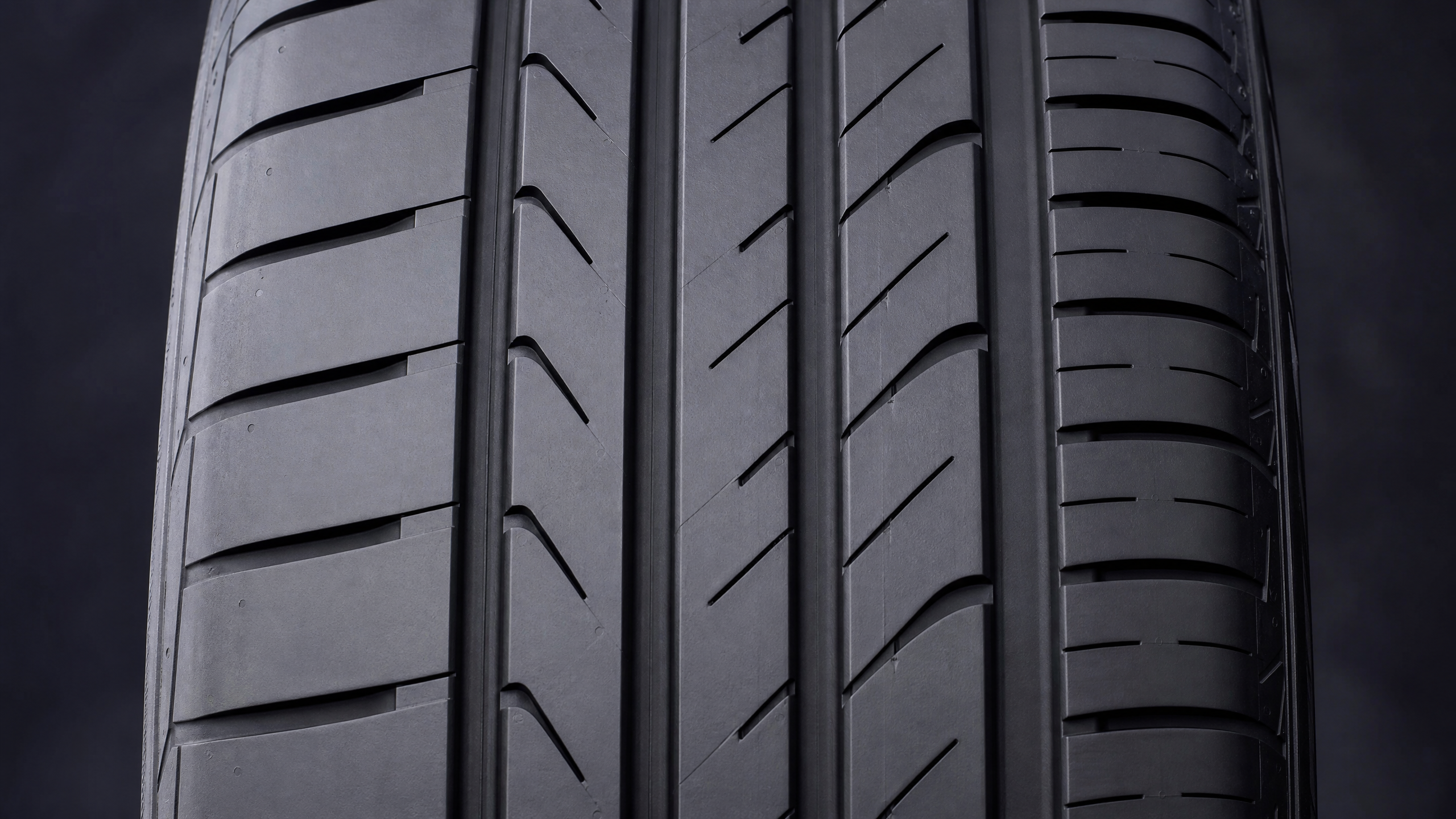
- 245 — tread width in millimeters.
- 40 — aspect ratio: sidewall height is 40% of width.
- R — radial construction.
- 18 — wheel diameter in inches.
- 97 — load index (730 kg / 1609 lb per tire).
- Y — speed rating (up to 186 mph).
Speed ratings also hint at capability: higher ratings usually mean stiffer construction and better steering response. Don’t drop below your factory rating.
UTQG: the three little numbers
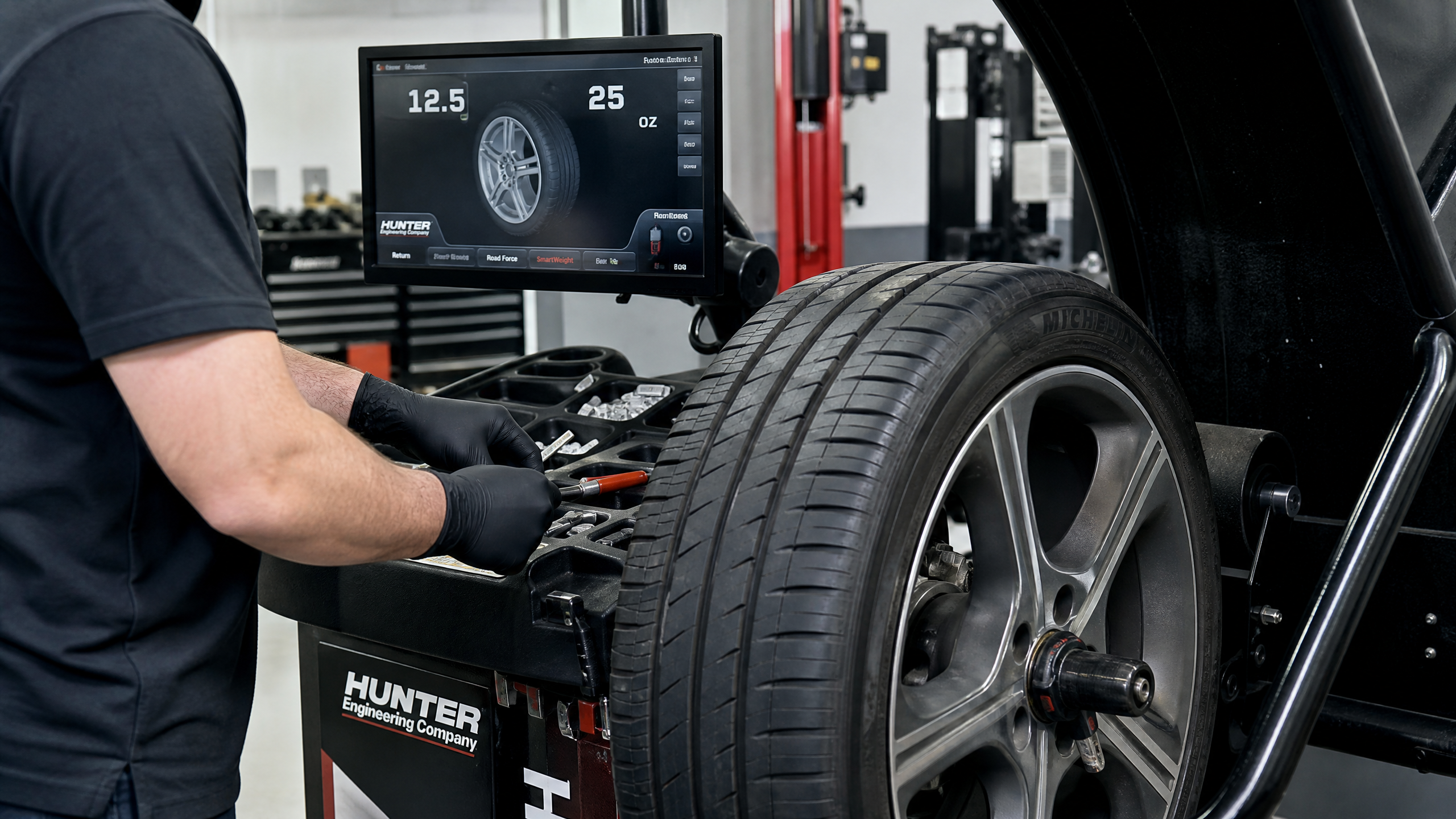
The Uniform Tire Quality Grade gives you treadwear, traction, and temperature. A rating like 300 AA A means: treadwear 300 (higher wears longer), traction AA (wet stopping grip), temperature A (heat tolerance).
Treadwear is the handy shorthand in the performance world. 300TW max-performance summers are street-friendly. The 200TW class is the autocross sweet spot. True R-compounds and race slicks drop to 100TW or below and are track tools, not street tires.
Summer vs all-season vs winter
Summer tires use soft compounds and minimal grooves for maximum contact. Dry and wet grip are excellent — above about 45–50°F. Below that, the compound stiffens and grip falls off a cliff.
All-seasons compromise in every direction, which is exactly their point. Fine for most drivers, mediocre for hard driving.
Winter tires stay flexible below freezing and use thousands of sipes to bite snow. They stop dramatically shorter on cold, snowy roads than any summer tire ever will.
| Type | Dry grip | Wet grip | Snow | Treadlife | Best for |
|---|---|---|---|---|---|
| Max perf summer | Excellent | Very good | No | Low | Fast street, autocross |
| Extreme perf summer | Outstanding | Good | No | Very low | Track-focused street |
| Ultra high perf all-season | Good | Good | Light | High | Year-round performance-ish |
| Winter | Fair (cold) | Good (cold) | Excellent | Medium | Freezing months |
Size: wider is not automatically better
A wider tire adds contact patch — until it adds problems. Too wide for the wheel and you get rounded shoulders and vague steering. Too wide for the road and you get tramlining (following every groove) and worse hydroplaning, because the tread can’t evacuate water fast enough.
Plus sizing, done right
Plus sizing means a bigger wheel with a shorter sidewall, keeping overall diameter the same. Example: 225/45R17 to 245/40R18. The math has to land within about 3% overall diameter, or you’ll lie to your speedometer, confuse your ABS and stability control, and rub your fenders.
Shorter sidewalls sharpen steering but transmit every poshote — and bend wheels. For daily-driven performance cars, I rarely go more than one inch plus from factory.
Tool: tire size calculator (the 3% rule)
Enter stock and new sizes. I’ll check the diameter difference for you.
Stock:New:
Pressure: the free upgrade
Run the door-jamb pressure for street use, checked cold, monthly. For track days, most drivers start a few psi lower and adjust as tires heat — write your cold and hot numbers on the wheel in paint pen so future-you isn’t guessing in the paddock.
Read the wear: center wear means overinflation, edge wear means underinflation, and one-sided wear means you skipped that alignment we talked about in the suspension guide.
Square vs staggered setups
Staggered (wider rear) suits big-power RWD cars that need rear bite. Square (same size all around) lets you rotate tires, carry one spare size to the track, and usually rotate the car better. For autocross and track builds, I almost always recommend square.
Storage and age
Store seasonal sets clean, dry, and out of sunlight, in bags if you can. Check the DOT date code to find the week and year of manufacture, but do not treat it as a universal expiration date. Tire and vehicle manufacturers set different age guidance; some recommend replacement between six and ten years. Our guide to reading a tire DOT date code and checking tire age explains how to decode the number and what the date does—and does not—tell you.
The honest buying order
- Decide your real season plan first (summer + winter set, or one set).
- Pick the compound class for your driving (300TW, 200TW, race).
- Stay within 3% of factory diameter and sane width for your wheels.
- Buy fresh date codes from a shop that turns inventory.
- Spend the last $20 on a good pressure gauge and use it.
The tire is the only mod that improves acceleration, braking, and cornering at the same time, on every single drive. Buy the best rubber your budget allows before anything else on this site. Your 500 horsepower is only as good as the four palms touching the pavement.
Mike R. keeps a paint pen in his pocket and a date-code chart on the wall, and still test-drives every tire recommendation in the rain before he’ll stand behind it.




Leave a Reply