This guide compares five scratch-removal products by their intended use, abrasive approach, application method and manufacturer instructions. It explains which products are suited to light clear-coat marks and when a scratch needs touch-up paint or professional refinishing.
This guide compares five products by their intended method, abrasive approach and the manufacturer’s instructions. The comparison draws on product instructions, abrasive type, intended applications and surface-preparation guidance. The product descriptions below distinguish published product features from results that would require controlled testing.
First, identify what kind of damage you have
- Paint transfer: Colour from another object may sit on top of your clear coat. Cleaning and a suitable polish may remove it if the underlying paint is intact.
- Light clear-coat marks: Fine swirls and shallow scuffs may improve with a finishing polish or mild compound.
- Deeper clear-coat scratches: A more aggressive compound or a carefully controlled sanding-and-polishing process may reduce their appearance, but removes some clear coat.
- Through-paint damage: If colour coat, primer or bare metal is visible, a scratch remover cannot replace the missing paint. Use colour-matched touch-up paint or arrange a body repair.
The fingernail check is only a rough screening aid: if a nail catches, the mark may be too deep for a simple compound. It does not measure scratch depth or prove which paint layer is damaged. Stop if the scratch exposes a lower layer, if the clear coat is peeling, or if you are unsure.
How to use a scratch remover without making the damage worse
- Wash and dry the panel thoroughly; grit under a pad can create more scratches.
- Work on cool paint in the shade and mask nearby textured trim.
- Start with the least aggressive product and a small test spot.
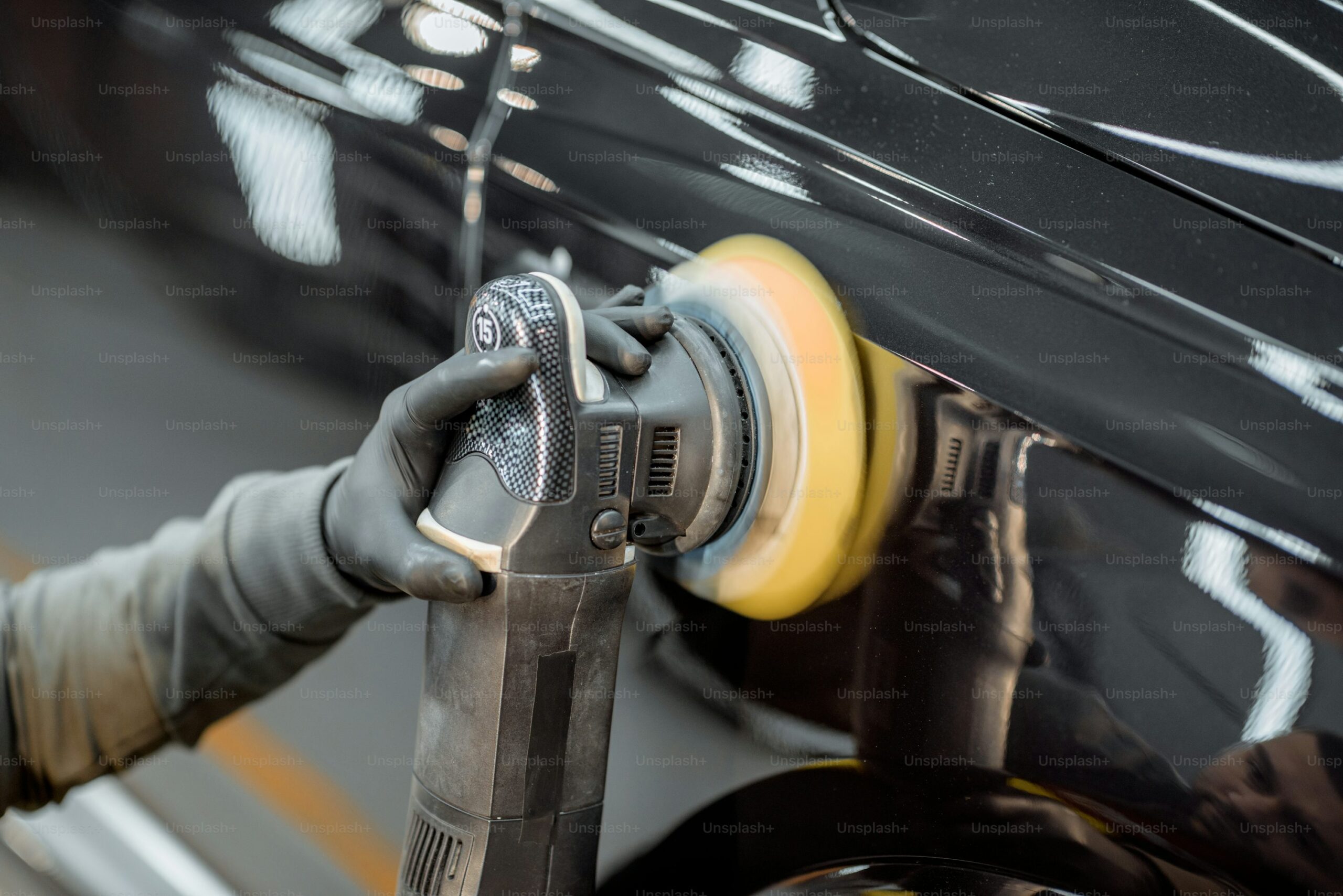
- Use a clean foam pad or microfiber and light, controlled pressure. Follow the product’s stated machine speed if using a polisher.
- Wipe residue away and inspect in daylight before repeating. More polishing is not always better.
- Apply suitable wax or paint protection afterward if the product instructions call for it.
Do not wet-sand a visible panel unless you understand paint correction and can judge remaining clear-coat thickness. Excessive sanding or compounding can cut through the clear coat and make a repaint necessary.
Carfidant Scratch and Swirl Remover

- FIXES LIGHT CLEARCOAT DAMAGE – Erases light scratches, swirl marks…
- POLISH + CERAMIC PROTECTION IN ONE STEP – Restores deep gloss while the…
What the manufacturer says: Carfidant’s Scratch & Swirl Remover is designed for light scratches, swirls, scuffs, oxidation and paint transfer in the clear coat. Its instructions describe hand application with the supplied pad and say several light passes may be needed; the maker specifically warns that a scratch deep enough to catch a fingernail is outside the product’s intended repair range.
Best fit: A small, shallow clear-coat mark or paint transfer when you want to work by hand. It is the least equipment-intensive option in this comparison.
Buying check: It will not replace missing paint, repair chips to primer or fix peeling clear coat. The manufacturer says to work on a clean, cool panel and avoid matte or wrapped finishes.
Turtle Wax Scratch Repair & Renew

- SMART SURFACE REPAIR: Effective car polish removes light surface scratches…
- RESULTS THAT LAST: Infused with protective resins that bond to the clear…

What the manufacturer lists: Turtle Wax Scratch Repair & Renew combines a scratch-removal compound with its Heat & Seal protection technology. The instructions allow hand application and use with a dual-action buffer, and recommend checking the scratch before attempting correction; a mark that catches a fingernail may be too deep.
Best fit: Light-to-moderate surface marks, swirls and paint transfer where a combined correction-and-protection step is appealing.
Buying check: The product’s “light to heavy” marketing should not be read as a promise to repair through-paint scratches. If the colour coat or primer is exposed, polishing cannot replace it.
3M Scratch Removal System
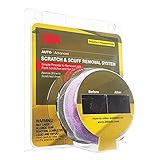
- Auto scratch remover system takes out light paint scratches and scuffs
- System uses a 3-step repair approach
What the kit includes: 3M Scratch Removal System 39071 uses a three-stage process: 3000-grit abrasive, compounding and polishing. The kit includes a disc holder, abrasive square, pads and small quantities of compound and scratch remover; you supply a household drill within the manufacturer’s specified 1,200–1,600 RPM range, plus water and microfiber supplies.
Best fit: Small, shallow clear-coat defects that need more than a hand polish, for a user comfortable following a sanding-and-polishing sequence.
Buying check: 3M says the system is not for deep or wide scratches that extend through the clear coat. Sanding removes paint material; rushing or overworking the area can create a larger repair. If you have never corrected paint, professional help is safer.
Chemical Guys VSS One-Step Scratch and Swirl Remover
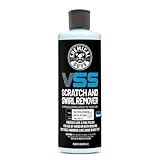
- VSS ONE-STEP COMPOUND & POLISH (COM_129_16SW) – This Chemical Guys…
- RESTORES GLOSS AND CLARITY – This car polish and compound leaves behind a…
What the manufacturer says: Chemical Guys VSS is a one-step compound/polish that starts with more cutting action and finishes more finely as it is worked. The brand describes it for light-to-moderate paint defects and recommends a dual-action or rotary polisher for machine use.
Best fit: Swirls, oxidation and shallow scratches when you want a combined cutting-and-finishing product rather than a separate compound and polish.
Buying check: The manufacturer does not describe it as a fix for scratches through the clear coat. A high-cutting compound can still remove paint, so use a test spot and a suitable pad before treating a full panel.
Meguiar’s Ultimate Compound

- BUFF OUT IMPERFECTIONS: Meguiar’s Ultimate Compound removes scratches…
- SHOWROOM SHINE: Advanced car compound removes scratches, swirls, oxidation…
What Meguiar’s lists: Ultimate Compound uses the brand’s micro-abrasive technology and is described for scratches, swirls, oxidation and water spots on clear-coat and gloss paint. The manufacturer says it can be applied by hand or with a dual-action polisher.
Best fit: A versatile compound for shallow clear-coat defects and general paint decontamination/correction, especially if you want one product for hand or DA use.
Buying check: “Clear-coat safe” does not mean it can remove every scratch without risk. The compound works by abrading a small amount of the surface; stop if the defect does not improve after a cautious test section.
Common questions about scratch removers
How do I know if a scratch is too deep for any of these products?
Run the fingernail test I mentioned above. If your nail catches and actually drags in the groove, you’re likely through the clear coat into base coat or primer, and that needs touch-up paint or a body shop, not a compound.
Can these products be used on all paint colors?
Yes, all five work across paint colors, but haze and swirl marks show up more visibly on darker colors like black and navy. Work smaller sections and check your progress more often on dark paint.
Do I need a polisher, or can I do this by hand?
Carfidant and Turtle Wax are built for hand application. 3M and Chemical Guys VSS perform noticeably better with a dual-action polisher, especially on larger areas. Meguiar’s Ultimate Compound is the most flexible of the five, genuinely capable both ways.
Before you start
- Wash and clay the panel first. Any dirt or grit left on the surface gets ground into the paint by your applicator pad, which can add new scratches while you’re trying to remove old ones.
- Work in the shade, not direct sun. Compounds dry too fast in direct sunlight, which makes them harder to work and more likely to leave residue behind.
- Test on a hidden panel first. Inside the trunk lid or behind a door handle is a safe place to dial in your technique before touching a visible scratch.
- Follow up with wax or sealant unless the product already includes one. Compounding strips away some of the protective layer on top of your clear coat, and a fresh coat of protection keeps the repaired area looking as good as the rest of the panel.
Any of these five will make a real, lasting difference on genuine clear coat damage. Which one you reach for comes down to how deep the scratch actually is and whether you’re working by hand in the driveway or running a polisher in the garage.
Which Scratch Remover Fits Your Scuff?
Answer one question and I’ll point you to the right product.
What best describes your situation?
RECOMMENDED FOR YOU
Check Price on AmazonManufacturer instructions and product references
- Carfidant scratch-remover instructions and depth guidance
- Turtle Wax Scratch Repair & Renew product details and directions
- 3M Scratch Removal System 39071 contents and limitations
- 3M 39071 instructions and drill-speed requirement
- Chemical Guys VSS product description and application
- Meguiar’s Ultimate Compound product details
Related posts:
 How to Diagnose a Weak Car Battery Before It Leaves You Stranded
 Top 5 Floor Jacks for Lowered Cars: Low-Profile Picks and Higher-Clearance Alternatives
 Choosing Performance Tires: Grip, Size & Seasonal Considerations
 4 Ways to Add Apple CarPlay to an Older Car: Stereo, Portable Screen or Wireless Adapter

Leave a Reply