
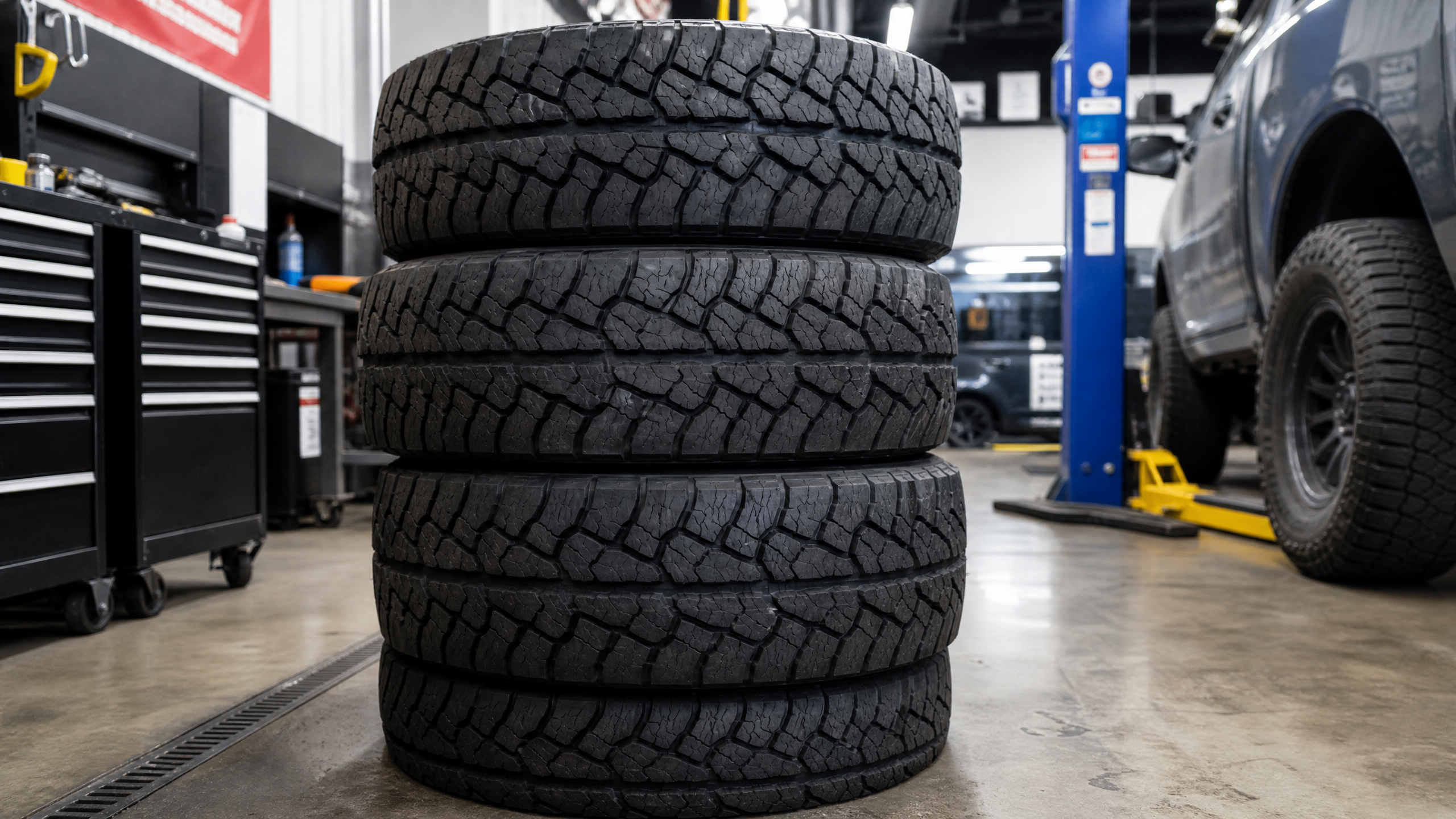
A guy once brought me a 500-horsepower build and asked why it felt “squirmy.” He’d spent five figures on the engine and bought four worn all-season tires at a swap meet to save $300. On the test drive, the car slid at 40 mph in light rain. We fixed his whole car that afternoon for less than he spent on a cold-air intake.
Tires are the only part of your car touching the road. Every horsepower, every brake upgrade, every suspension dollar gets spent through a contact patch the size of your palm. Here’s how to choose them like a pro.
Read the sidewall like a mechanic
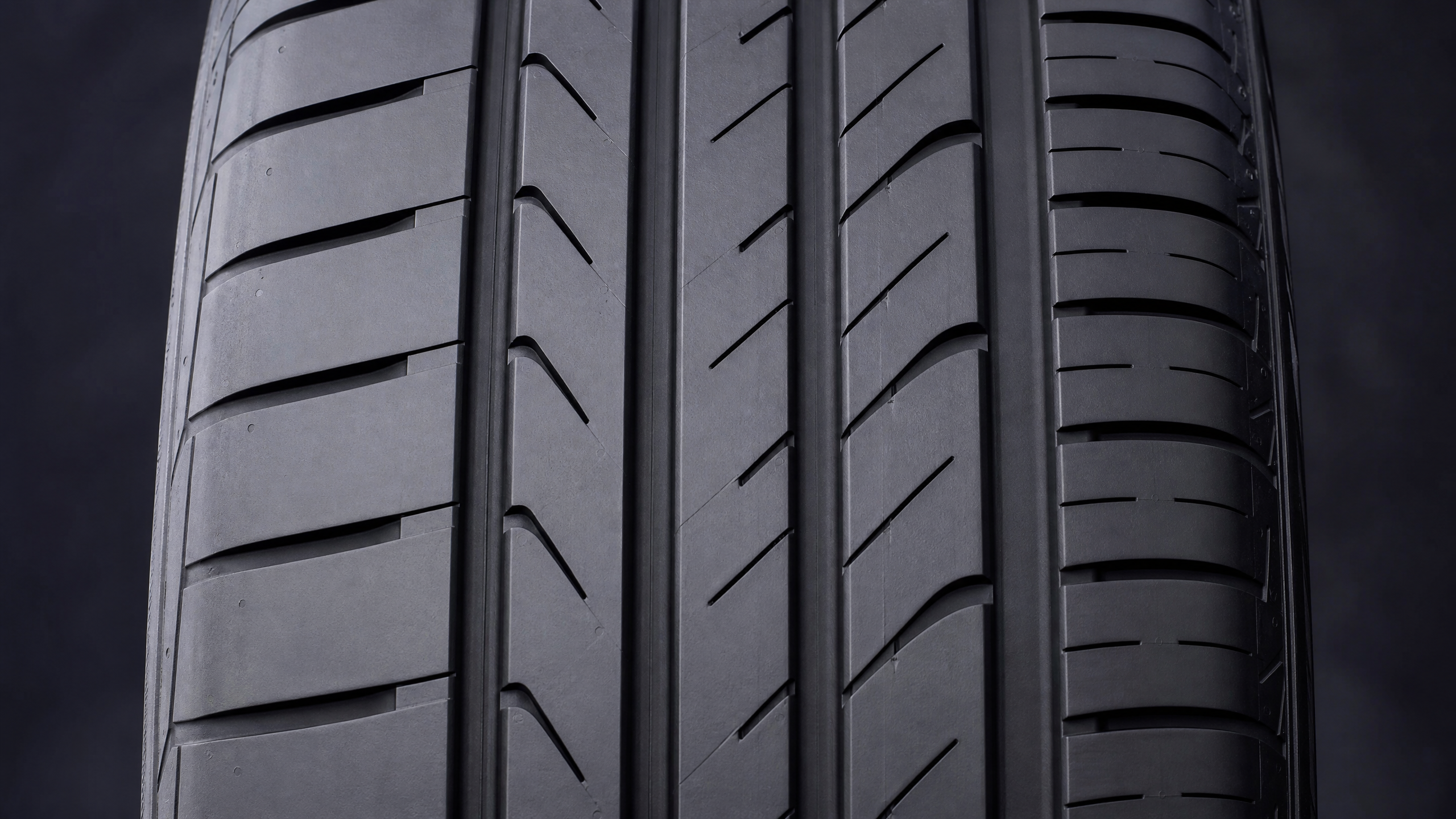
- 245 — tread width in millimeters.
- 40 — aspect ratio: sidewall height is 40% of width.
- R — radial construction.
- 18 — wheel diameter in inches.
- 97 — load index (730 kg / 1609 lb per tire).
- Y — speed rating (up to 186 mph).
Speed ratings also hint at capability: higher ratings usually mean stiffer construction and better steering response. Don’t drop below your factory rating.
UTQG: the three little numbers
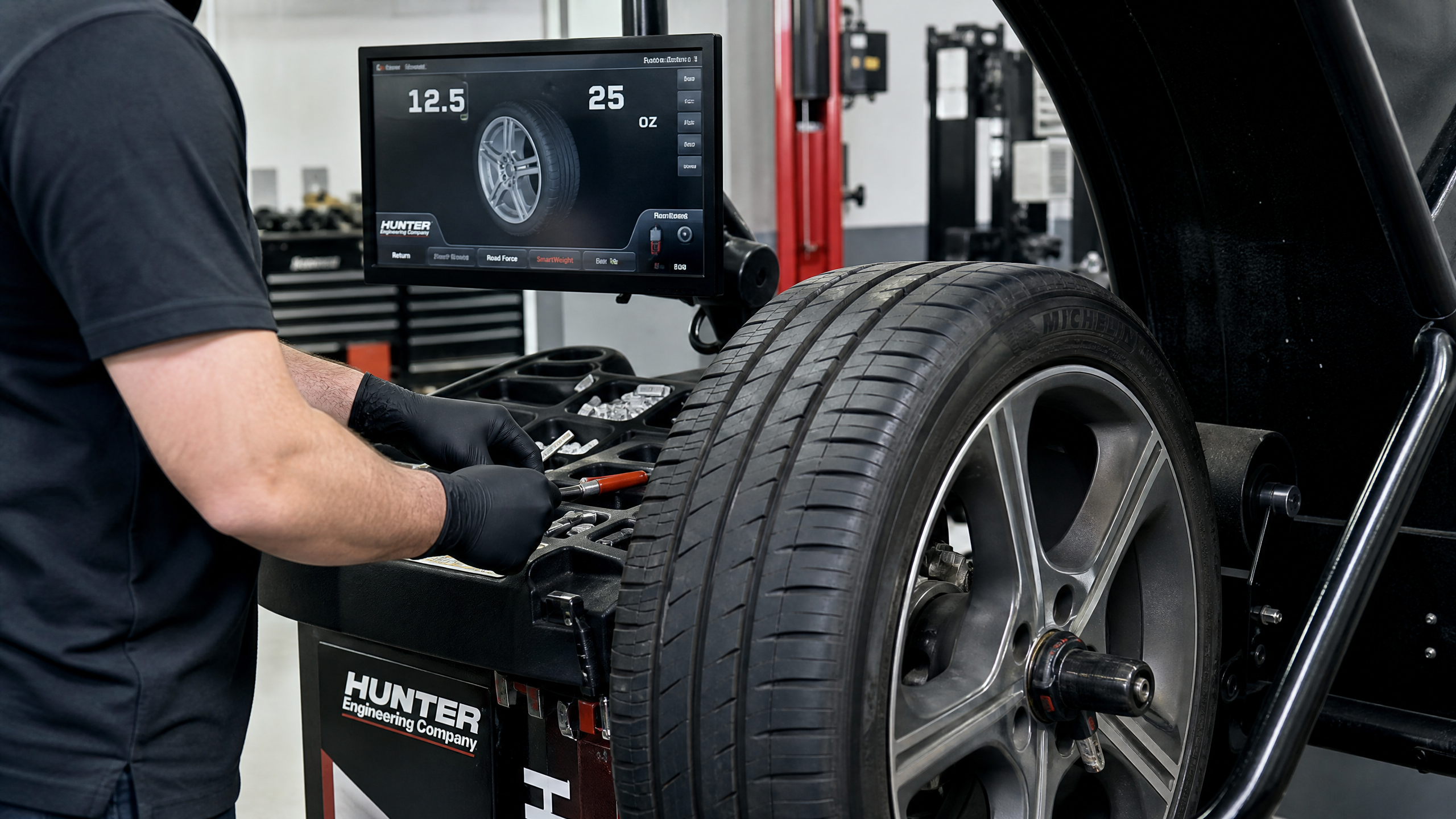
The Uniform Tire Quality Grade gives you treadwear, traction, and temperature. A rating like 300 AA A means: treadwear 300 (higher wears longer), traction AA (wet stopping grip), temperature A (heat tolerance).
Treadwear is the handy shorthand in the performance world. 300TW max-performance summers are street-friendly. The 200TW class is the autocross sweet spot. True R-compounds and race slicks drop to 100TW or below and are track tools, not street tires.
Summer vs all-season vs winter
Summer tires use soft compounds and minimal grooves for maximum contact. Dry and wet grip are excellent — above about 45–50°F. Below that, the compound stiffens and grip falls off a cliff.
All-seasons compromise in every direction, which is exactly their point. Fine for most drivers, mediocre for hard driving.
Winter tires stay flexible below freezing and use thousands of sipes to bite snow. They stop dramatically shorter on cold, snowy roads than any summer tire ever will.
| Type | Dry grip | Wet grip | Snow | Treadlife | Best for |
|---|---|---|---|---|---|
| Max perf summer | Excellent | Very good | No | Low | Fast street, autocross |
| Extreme perf summer | Outstanding | Good | No | Very low | Track-focused street |
| Ultra high perf all-season | Good | Good | Light | High | Year-round performance-ish |
| Winter | Fair (cold) | Good (cold) | Excellent | Medium | Freezing months |
Size: wider is not automatically better
A wider tire adds contact patch — until it adds problems. Too wide for the wheel and you get rounded shoulders and vague steering. Too wide for the road and you get tramlining (following every groove) and worse hydroplaning, because the tread can’t evacuate water fast enough.
Wider also means heavier, pricier, and slower to warm. I’ve had more than one autocrosser go faster dropping 10mm of width, because the car turned sharper and the tire worked in its window.
Plus sizing, done right
Plus sizing means a bigger wheel with a shorter sidewall, keeping overall diameter the same. Example: 225/45R17 to 245/40R18. The math has to land within about 3% overall diameter, or you’ll lie to your speedometer, confuse your ABS and stability control, and rub your fenders.
Shorter sidewalls sharpen steering but transmit every poshote — and bend wheels. For daily-driven performance cars, I rarely go more than one inch plus from factory.
Tool: tire size calculator (the 3% rule)
Enter stock and new sizes. I’ll check the diameter difference for you.
Stock:New:
Pressure: the free upgrade
Run the door-jamb pressure for street use, checked cold, monthly. For track days, most drivers start a few psi lower and adjust as tires heat — write your cold and hot numbers on the wheel in paint pen so future-you isn’t guessing in the paddock.
Read the wear: center wear means overinflation, edge wear means underinflation, and one-sided wear means you skipped that alignment we talked about in the suspension guide.
Square vs staggered setups
Staggered (wider rear) suits big-power RWD cars that need rear bite. Square (same size all around) lets you rotate tires, carry one spare size to the track, and usually rotate the car better. For autocross and track builds, I almost always recommend square.
Storage and age
Store seasonal sets clean, dry, and out of sunlight, in bags if you can. And check the DOT date code — the last four digits are week and year. Performance tires older than about six years get hard and lose their bite, no matter how deep the tread looks. I’ve scrapped plenty of “brand new” old tires that gripped like hockey pucks.
The honest buying order
- Decide your real season plan first (summer + winter set, or one set).
- Pick the compound class for your driving (300TW, 200TW, race).
- Stay within 3% of factory diameter and sane width for your wheels.
- Buy fresh date codes from a shop that turns inventory.
- Spend the last $20 on a good pressure gauge and use it.
The tire is the only mod that improves acceleration, braking, and cornering at the same time, on every single drive. Buy the best rubber your budget allows before anything else on this site. Your 500 horsepower is only as good as the four palms touching the pavement.
Mike R. keeps a paint pen in his pocket and a date-code chart on the wall, and still test-drives every tire recommendation in the rain before he’ll stand behind it.


Leave a Reply