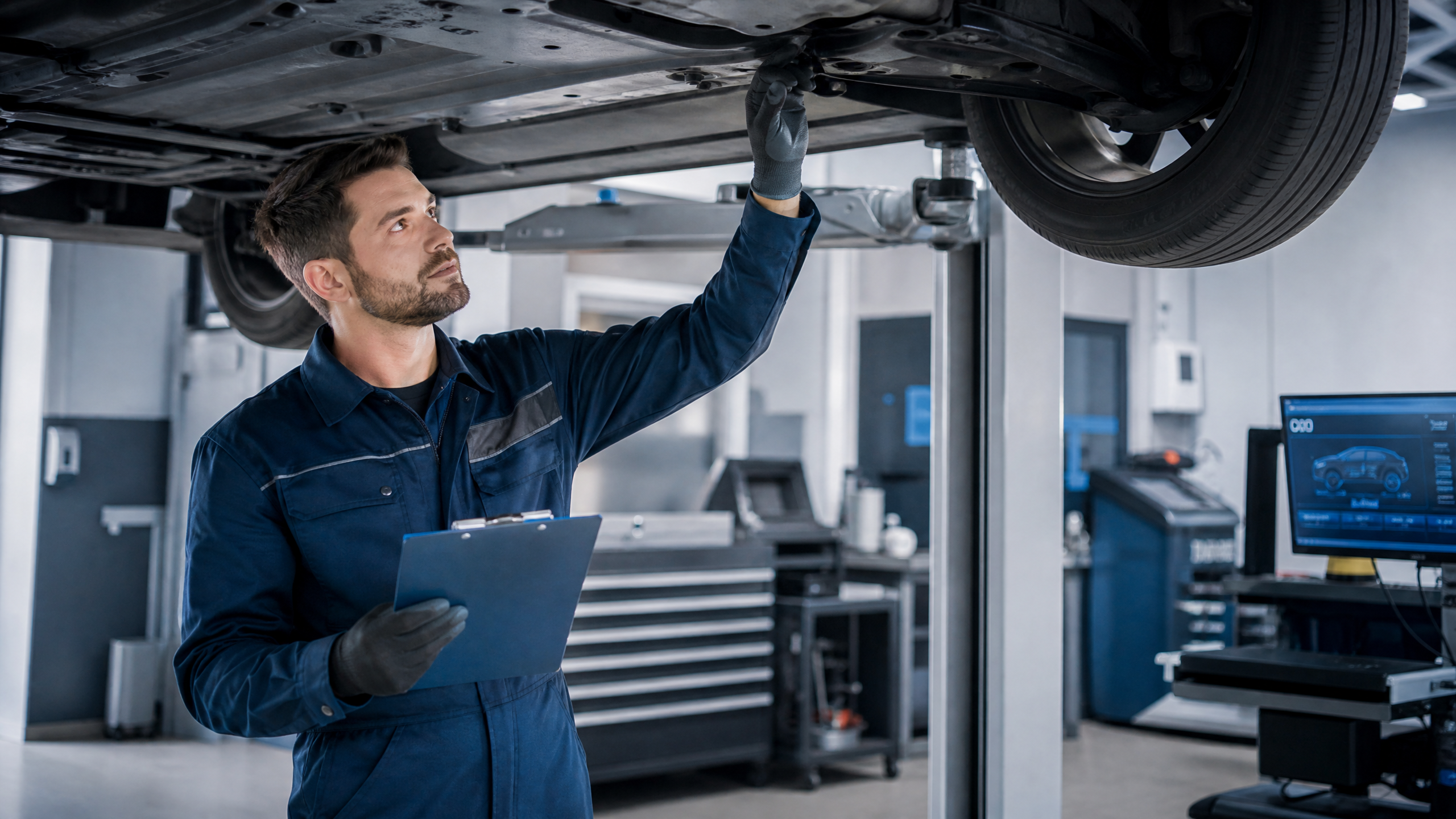
Repair quality varies by shop and technician. Compare the evidence behind a diagnosis, the clarity of the written estimate, technician qualifications relevant to your vehicle, and whether the shop obtains approval before adding work. A polished waiting room or low advertised price is not proof of repair quality.
Dealerships, independent garages, and national chains can all provide good or poor service. The useful comparison is whether the shop has the right equipment and training for your vehicle, explains its diagnosis, provides an itemized estimate, and obtains approval before adding work.
Dealership, Independent, or Chain — What’s the Real Difference?
| Type | Strengths | Watch Out For |
|---|---|---|
| Dealership | Factory-trained techs, manufacturer-specific tools, best for warranty and recall work | Highest labor rates, sometimes pushes “recommended” services you don’t need yet |
| Independent shop | Often cheaper labor, more flexible, can build a real relationship with the owner or lead tech | Quality varies a lot shop to shop — do your homework before trusting one |
| National chain | Convenient hours, predictable pricing on basic services like oil changes and tires | High tech turnover means you rarely see the same person twice, upselling is common on commission-based locations |
Start Before You Need One
The worst time to compare repair shops is during a breakdown, when urgency limits your choices. Identify suitable garages in advance, including one familiar with your vehicle’s make, age, and systems.
Pre-Screening Checklist
- Ask friends, coworkers, or a local car forum/Facebook group for shops they’ve used more than once — one good visit doesn’t prove much, repeat customers do.
- Ask whether the technician handling your repair holds relevant ASE certification or equivalent training. Certification is useful evidence of tested knowledge, but it does not replace vehicle-specific experience or correct diagnostic procedures.
- Look at review patterns, not just the star average. A shop with 4.6 stars and detailed reviews about specific repairs is more trustworthy than a shop with 4.9 stars and twelve generic five-word reviews.
- Call ahead and ask a simple diagnostic question — a shop that gives a real, specific answer over the phone is a good sign; one that just says “bring it in and we’ll see” for everything might be fine too, but it tells you less.
- Visit in person once if you can. A shop floor that’s organized, with parts labeled and cars up on lifts being actively worked on, tells you more than any website.
Repair-Shop Red Flags to Watch For
- They cannot explain the diagnosis. A shop may need to return a core or dispose of a part under its policy, but it should explain the failure and provide relevant evidence, photos, or inspection findings.
- The estimate keeps growing without a call. A shop should call before doing anything beyond the original approved work, not surprise you with a bigger bill at pickup.
- Every visit turns up a “critical” new problem. Occasional surprises happen — cars are complicated. A pattern of urgent new findings every single visit is a sales tactic, not bad luck.
- No written estimate at all. Verbal-only quotes are how “it’ll be about $300” turns into $600 at pickup with no paper trail to push back against.
- Pressure to decide right now. A legitimate shop can hold a car a day while you think it over or get a second opinion, especially for anything over a few hundred dollars.
Interactive: Is This Shop Trustworthy?
Think of a shop you’re considering — or one you already use — and check off what applies. This is a comparison prompt, not a verified measure of repair quality or a substitute for a second opinion.
Shop Trust Checklist
Getting a Second Opinion Without Being Rude About It
You don’t owe any shop an explanation for wanting a second opinion, and a good shop won’t take it personally. If a quote feels high or a diagnosis feels off, just say: “I want to think it over and maybe get a second quote — can I get this in writing?” A shop that gets defensive or pushy in response to that request just told you something important.
For anything over a few hundred dollars — a transmission, a head gasket, a full brake job — it’s worth the twenty minutes to call one more shop for a rough comparison. You’re not trying to nickel-and-dime anyone; you’re making sure the diagnosis itself is right before you spend real money chasing the wrong problem.
What a Good Relationship With a Shop Looks Like
A productive relationship is built on clear records and consistent communication. Keep estimates, invoices, inspection reports, and maintenance records; share previous repair details and symptoms; and ask for photos or measurements supporting a recommendation when practical. This history can help the next technician avoid repeating diagnostic work. For pre-trip preparation, see our road trip guide.
Shop quality varies by location and technician. Use the same criteria each time: clear diagnosis, itemized estimate, relevant qualifications, documented authorization, and a reasonable explanation of warranty coverage.
Related posts:
 Brake Fluid Breakdown: Understanding DOT Ratings and When to Bleed Your Braking System
 Why Is Your Steering Wheel Shaking? (Diagnosing Tire Balance, Warped Rotors, and Loose Suspension)
 Check Engine Light On? 5 Common Causes & DIY Fixes
 Car Interior Deep-Clean Checklist: Step-by-Step Order for Carpets, Seats and Trim

Leave a Reply