I’ve worked in shops where the writer at the front counter padded every invoice with a “shop supplies” fee nobody could explain, and I’ve worked in shops where the owner would talk a customer out of a repair if it could wait another six months. Same industry, completely different experience for the person standing at the counter. The hard part is you usually can’t tell which kind of shop you’re in until something goes wrong.
I’m not going to tell you dealerships are always overpriced or that independent shops are always the honest choice — I’ve seen good and bad examples of both. What I can give you is what I actually look for, the questions that separate a shop worth trusting from one that’s just good at looking busy.
Dealership, Independent, or Chain — What’s the Real Difference?
| Type | Strengths | Watch Out For |
|---|---|---|
| Dealership | Factory-trained techs, manufacturer-specific tools, best for warranty and recall work | Highest labor rates, sometimes pushes “recommended” services you don’t need yet |
| Independent shop | Often cheaper labor, more flexible, can build a real relationship with the owner or lead tech | Quality varies a lot shop to shop — do your homework before trusting one |
| National chain | Convenient hours, predictable pricing on basic services like oil changes and tires | High tech turnover means you rarely see the same person twice, upselling is common on commission-based locations |
Start Before You Need One
The worst time to find a mechanic is the moment your car is already broken down. You’re stressed, you need the car back fast, and you’ll grab whoever’s closest. Do this legwork before anything’s actually wrong.
Pre-Screening Checklist
- Ask friends, coworkers, or a local car forum/Facebook group for shops they’ve used more than once — one good visit doesn’t prove much, repeat customers do.
- Check for ASE certification (Automotive Service Excellence) — it’s not a guarantee of good service, but it means the techs passed standardized testing on real repair knowledge.
- Look at review patterns, not just the star average. A shop with 4.6 stars and detailed reviews about specific repairs is more trustworthy than a shop with 4.9 stars and twelve generic five-word reviews.
- Call ahead and ask a simple diagnostic question — a shop that gives a real, specific answer over the phone is a good sign; one that just says “bring it in and we’ll see” for everything might be fine too, but it tells you less.
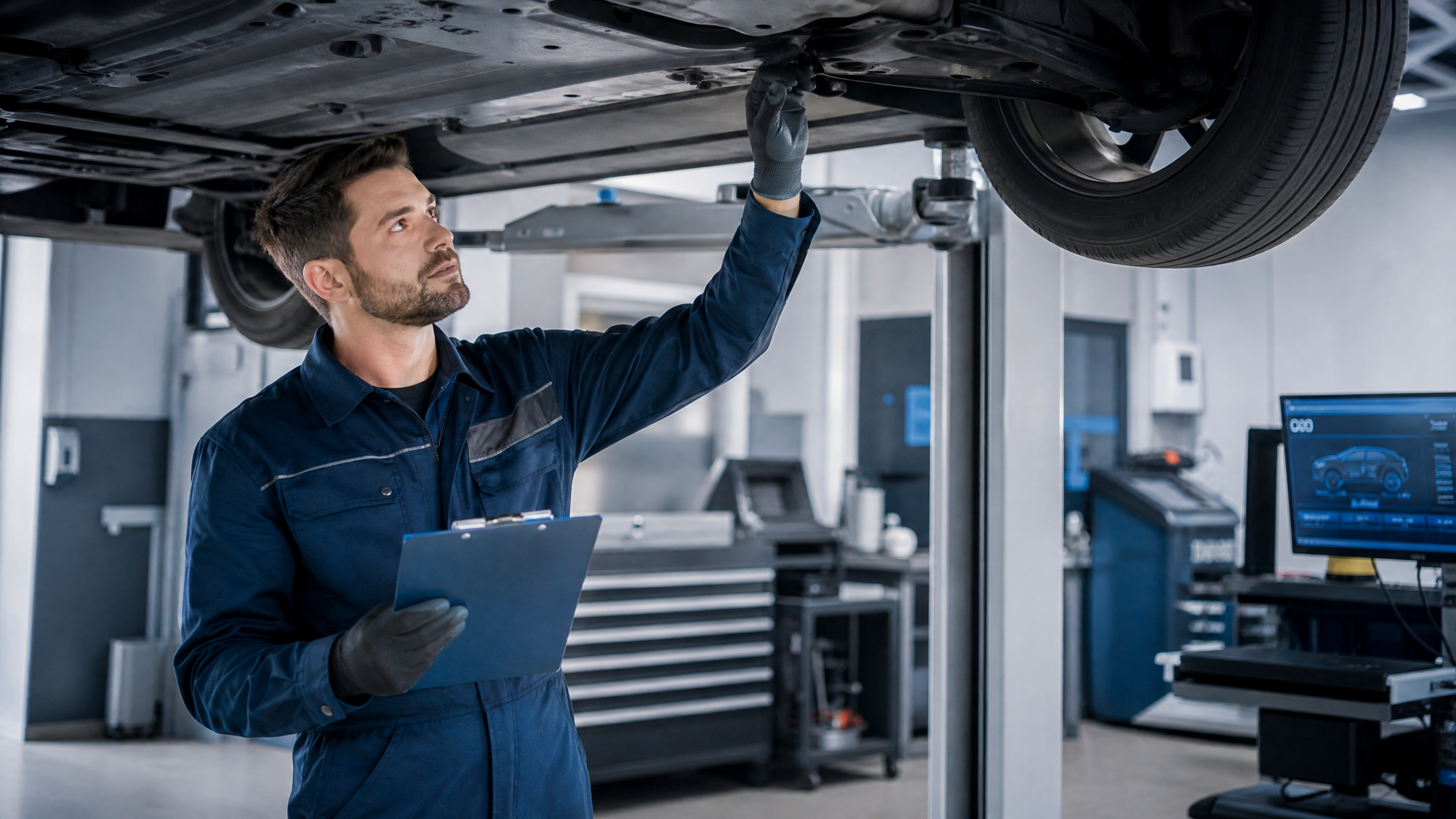
- Visit in person once if you can. A shop floor that’s organized, with parts labeled and cars up on lifts being actively worked on, tells you more than any website.
Red Flags I’ve Learned to Watch For
- They won’t show you the old part. Any honest shop will set the failed part aside for you to look at, or at minimum explain clearly what failed and why. Refusal to do either is a real red flag.
- The estimate keeps growing without a call. A shop should call before doing anything beyond the original approved work, not surprise you with a bigger bill at pickup.
- Every visit turns up a “critical” new problem. Occasional surprises happen — cars are complicated. A pattern of urgent new findings every single visit is a sales tactic, not bad luck.
- No written estimate at all. Verbal-only quotes are how “it’ll be about $300” turns into $600 at pickup with no paper trail to push back against.
- Pressure to decide right now. A legitimate shop can hold a car a day while you think it over or get a second opinion, especially for anything over a few hundred dollars.
Interactive: Is This Shop Trustworthy?
Think of a shop you’re considering — or one you already use — and check off what applies. This isn’t a scientific score, just a gut-check built from patterns I’ve actually seen play out.
Shop Trust Checklist
Getting a Second Opinion Without Being Rude About It
You don’t owe any shop an explanation for wanting a second opinion, and a good shop won’t take it personally. If a quote feels high or a diagnosis feels off, just say: “I want to think it over and maybe get a second quote — can I get this in writing?” A shop that gets defensive or pushy in response to that request just told you something important.
For anything over a few hundred dollars — a transmission, a head gasket, a full brake job — it’s worth the twenty minutes to call one more shop for a rough comparison. You’re not trying to nickel-and-dime anyone; you’re making sure the diagnosis itself is right before you spend real money chasing the wrong problem.
What a Good Relationship With a Shop Looks Like
The best mechanic relationships I’ve seen aren’t transactional. The customer calls before a road trip and asks “anything I should check first?” The shop calls the customer a few weeks after a big repair just to ask how it’s holding up. That kind of relationship takes a couple of visits to build, which is exactly why it’s worth screening a shop early instead of waiting for a breakdown to force the decision.
Shop quality varies a lot by region and even by individual technician within the same shop. Use this as a framework, not a guarantee — and trust patterns over any single visit.
Related posts:
 Brake Fluid Breakdown: Understanding DOT Ratings and When to Bleed Your Braking System
  Rainy Season Car Care: Essential Tips for Safe Wet-Weather Driving
  The Science of Suspension: Choosing the Right Car Parts for Enhanced Performance and Comfort
  Cooling System Maintenance: Prevent Your Engine from Overheating
Leave a Reply