
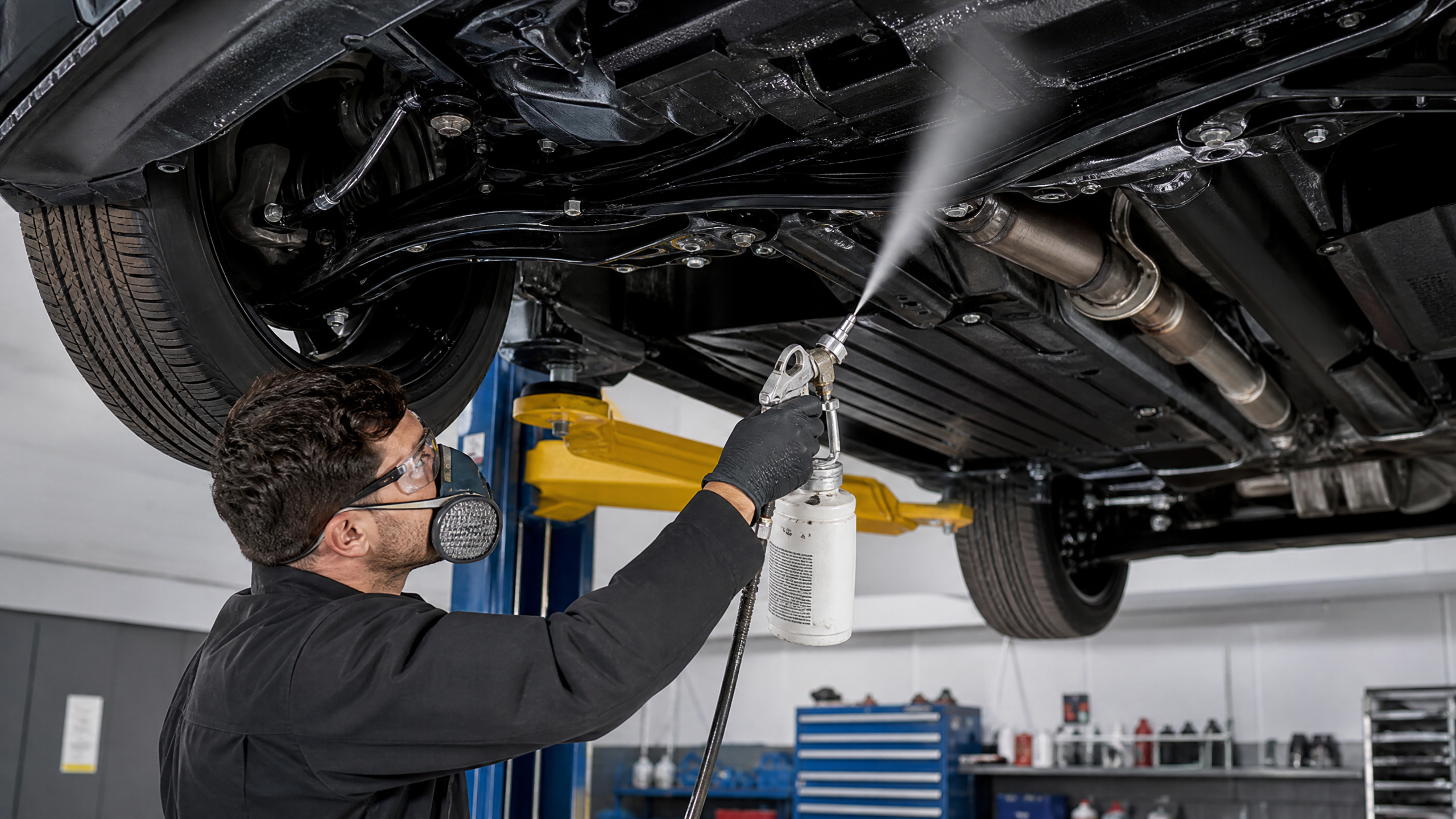
I grew up in the salt belt, where cars didn’t die of old age. They died of rust. I’ve watched fenders rot off, frames perforate, and brake lines let go — almost always on cars that could have lived, if someone had spent twenty dollars and an afternoon a year on them.
Rust is the slowest emergency in car ownership. It never strands you on Tuesday; it totals you on some spring morning at the inspection lane. Here’s how rust actually starts, and the paint-side and underbody habits that starve it.
Rust Chemistry in One Paragraph
Rust is iron meeting water and oxygen, with salt as the accelerator. Salt water conducts electricity and speeds the reaction, which is why salt-belt winters eat cars faster than a decade of coastal rain.
Modern cars are galvanized and sealed far better than their grandfathers, but “better” is not “immune.” Anywhere the factory coating is chipped, scratched, or trapped under moisture, the clock starts.
Where Rust Starts Its Campaign
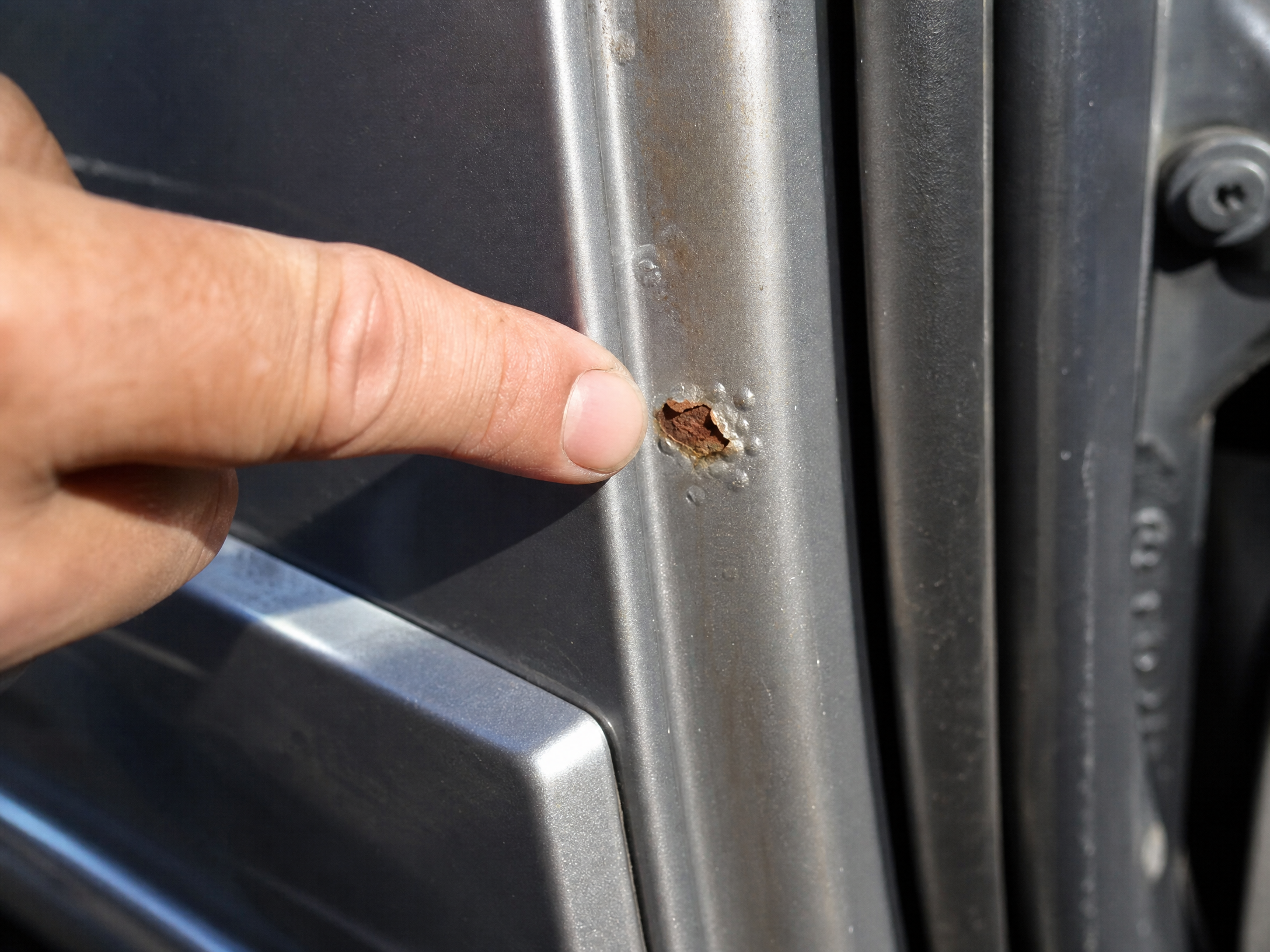
- Stone chipson the hood and front bumper, where bare metal meets road spray.
- Wheel arches and rocker panels, which live in a constant mist of tire spray.
- The underbody: frame rails, subframes, brake and fuel lines, exhaust.
- Door bottoms and trunk seams, where drain holes clog and water parks itself.
- Under trim and badges, where moisture hides against the metal.
Walk those five zones with a light twice a year and you’ll catch rust while it’s still a weekend project.
Paint Side: Starve the Top First
Wash the car, including winter.Dirt holds moisture against the paint like a poultice. A car washed every two to four weeks, and rinsed underneath in salt season, simply gives rust less to work with.
Fix stone chips the week they happen.The touch-up routine: clean the chip with alcohol, dab touch-up paintin with the pin applicator (toothpick for control), let it dry, and it’s sealed. A $12 pen beats a $600 respray. You’re not making it pretty; you’re making it airtight.
Protect the horizontal panels.Wax, sealant, or ceramic — the sacrificial layer takes the UV and the acid so the clear coat and the steel under it don’t. Sealant twice a year is the value play.
Consider PPF on the impact zones.Paint protection film on the front bumper, hood edge, and mirrors stops chips physically. It’s the only product that does.
Mud flapson trucks and gravel-road cars keep the rockers and lower doors out of the spray zone. Twenty dollars of rubber, years of clean metal.
Underbody: The War You Can’t See
The underside takes the worst of it and gets the least attention. Flip the routine:
Wash the underside in spring.After the last salt, pressure-wash from below at an angle — wheels wells, frame rails, the spare tire well. You’re rinsing off the winter’s salt crust before it summers over and chews.
Rinse the underside mid-season too.A drive-through underbody rinse every couple of weeks in heavy salt months knocks the fresh salt off before it dries and bonds.
Keep drain holes open.Doors, rocker panels, and the trunk lid have little drain slots at their bottoms. Poke them clear with a wire when you think of it. A door that holds water is a door that rots from inside out.
Undercoating: The Right Product at the Right Time
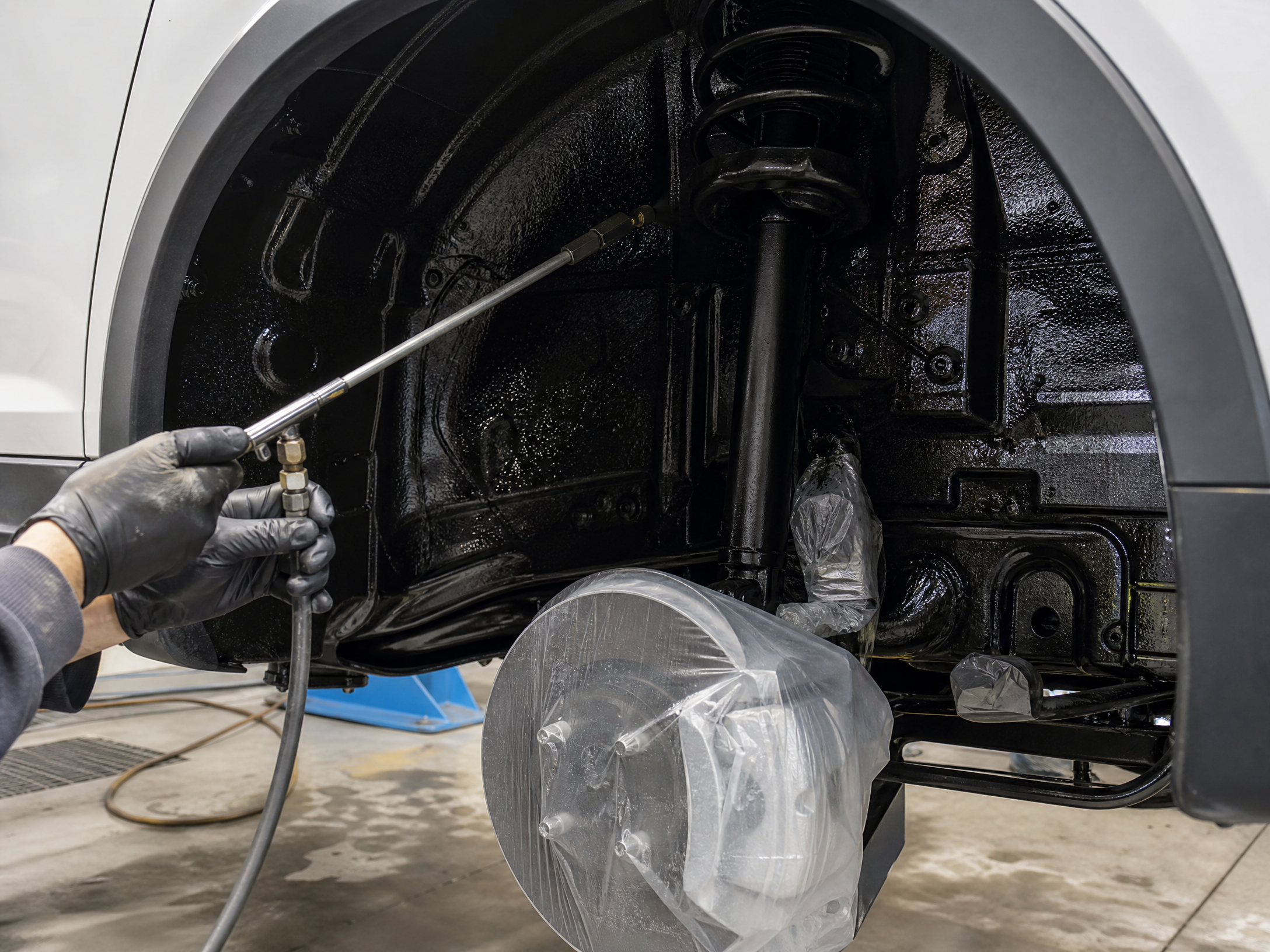
Undercoating is not one product. The three families behave very differently.
Rubberized spray (the black tar stuff):a hard shell that seals out moisture — if applied over perfectly clean, rust-free metal. Applied over existing rust or dirt, it traps the enemy inside a waterproof bunker, and the rot spreads invisibly. Prep is everything.
Asphalt-free oil or lanolin sprays (woolwax style):a creeping, self-healing film that wicks into seams and won’t trap moisture. It needs reapplication yearly, but it’s forgiving, and it’s my pick for salt-belt daily drivers.
Dripless hard sprays from chains:long-lived but brittle; they crack with frame flex, and the cracks become moisture traps. If you already have one, inspect it yearly and seal the cracks.
The universal rule: clean and dry metal first, product second.Undercoating is a raincoat, not a cure.
Storage and Parking Habits
Garage when you can, but garage a dry car. Parking a salt-crusted car in a warm garage accelerates rust, because the salt gets warm and wet and works overtime. Rinse first, then park.
Covers:breathable fabric over a clean, dry car, indoors. A cover over a dirty car is a sandblasting rig, and a plastic tarp outdoors is a humidity tent.
Gravel and grass parking: Keep the underside damp. If the car lives outside, pavement beats gravel beats grass.
Long-term storage: Wash, dry, seal the paint, fog the underside with a lanolin spray, and put the car on stands if it’s sitting months — tires flat-spotting is the least of a stored car’s problems.
The Winter Playbook, Salt Belt Edition
- Before first snow:wash and seal the paint, clear the drain holes, inspect the underside, and apply the season’s lanolin or oil spray while the metal is dry.
- During:underbody rinse every couple of weeks, full wash monthly, and shake the snow out of the wheel wells where it packs into ice dams against the arches.
- After:the spring underbody wash, a fresh inspection, and touch-up on any new chips before summer UV bakes them.
Rust doesn’t respect good intentions in March. It respects habits in November.
Catching It Early: Spot Repair That Sticks
When you find surface rust — orange dusting or light scale — the repair is small:
1.Wire brush or sand the spot to bare, bright metal, feathering the edges.
2.Wipe clean with alcohol; no dust, no grease.
3.Apply rust converterwhere any shadow of rust remains; it turns leftover oxide into a stable, paintable layer.
4.Prime with an etching or epoxy primer, then color coat, then clear if it’s a visible panel.
5.Note the spot on your phone and re-check it every fall.
When the screwdriver handle sinks, that’s structural rot, and the honest move is a shop quote. Frame and suspension mounting rust is weld territory, not spray-can territory.
The Myths That Cost People Cars
“Rust stops when it dries out.”It pauses. The next rain resumes it, and it never resumes slower.“Electronic rust inhibitors” for cars.The boxes that claim a small current stops rust have no honest evidence behind them in automotive use. Save the money for lanolin.“New cars don’t rust.”They rust slower, and then one neglected winter with a chipped rocker writes the same ending, just later.“Undercoating fixes rust.” Product over rot is a lid on a pot. The rot keeps cooking.
Mistakes I Keep Seeing
Coating over dirt or rust.The bunker effect, covered above.Ignoring chips until spring.Winter found them first.Waxing the paint but never rinsing the underside.The shiny hood rusts to a matte finish from below.Plastic tarps as car covers. Humidity tents with zippered rust subscriptions.
Try It: Rust Risk Score
Tick your life and see where you stand.
How exposed is your car?
Wrap-Up
Rust prevention is not a product; it’s a calendar. Chips fixed weekly, washes kept up, drains cleared, underside rinsed in salt season, and a creeping oil film on the metal that can’t defend itself.
Do the small things on schedule and the car you have is the car you keep.
Found orange dust on a frame rail or a rocker that bubbles when you press it? Comment with the car and a photo description, and I’ll tell you whether it’s a brush-and-prime Saturday or a shop quote.
Related posts:
 Brake Fluid Breakdown: Understanding DOT Ratings and When to Bleed Your Braking System
  Rainy Season Car Care: Essential Tips for Safe Wet-Weather Driving
  The Science of Suspension: Choosing the Right Car Parts for Enhanced Performance and Comfort
  Cooling System Maintenance: Prevent Your Engine from Overheating
Leave a Reply