
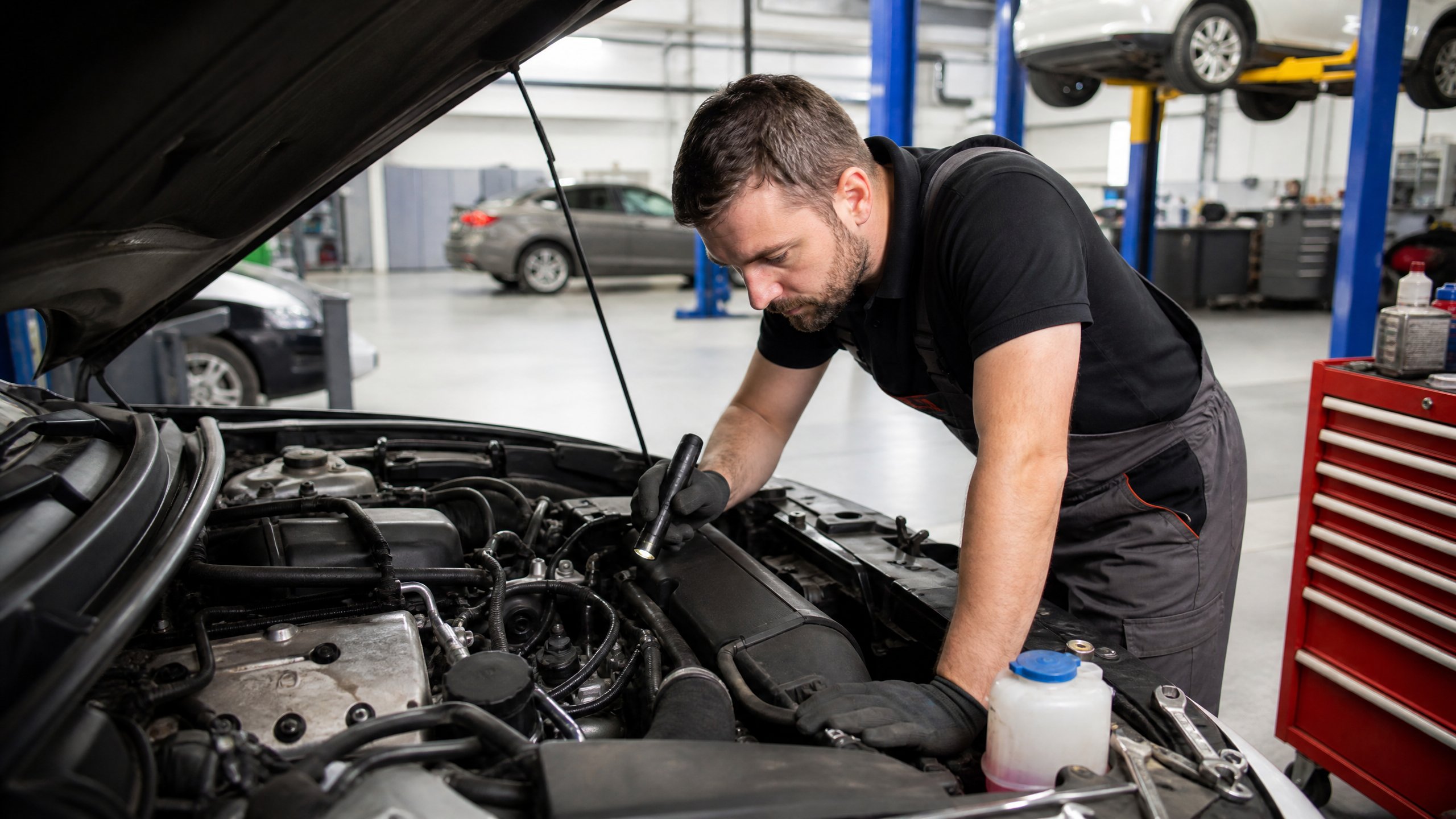
I still remember the first spring after I started working professionally in a local garage. Snow had barely melted off the pavement when cars started rolling in with dead batteries, glazed wiper blades, and tires underinflated by ten PSI from the bitter winter freeze. Winter is hard on machinery, and when the weather finally breaks, your car needs a little extra attention to shake off the salt and cold.
As lead mechanic and writer here at CarsRevamp, I’ve spent decades elbows-deep in engine bays and undercarriages. I know the shortcuts people take, and I know the costly mistakes they make. If you want your ride to run smoothly all summer long without unexpected breakdowns, you need a solid post-winter game plan. In this guide, I’m going to walk you through the essential spring maintenance checklist that every DIYer should tackle before the warm weather hits. Once the mechanicals are sorted, a full DIY car detailing session will make your car look as good as it runs.
1. Washing Away Winter: Undercarriage and Paint Defense
The single most destructive thing sitting on your car right now isn’t high mileage or old oil—it’s road salt. Municipalities dump tons of salt and chemical de-icers on winter roads to melt ice. While it keeps you from sliding into a ditch, that salt clings to your frame, suspension arms, and brake lines.
Sodium chloride combined with moisture is a recipe for rust. I once pulled a control arm off an older sedan where the salt had eaten halfway through the steel bracket. It was a terrifying reminder of what happens when winter residue is left to fester.
Getting Into the Nooks and Crannies
When you wash your car this spring, don’t just hit the exterior glass and paint. Get a pressure washer attachment with an undercarriage wand or slide a garden sprinkler under the car to flush out the frame rails and wheel arches.
Make sure you use a dedicated automotive wash mitt and a quality pH-balanced car soap rather than dish soap, which strips off whatever wax protection you have left. Once the car is spotless and dry, inspect the paint for chips where winter gravel dinged your hood or fenders. Touch those up immediately with matching paint and a fine-tip brush before rust gets a foothold.
2. Battery Health After the Big Freeze
People always think summer heat kills batteries, and while heat is the final executioner, winter is the trial. Starting a frozen engine requires massive electrical current, and sub-zero temperatures sap a battery’s cranking capacity by up to fifty percent.
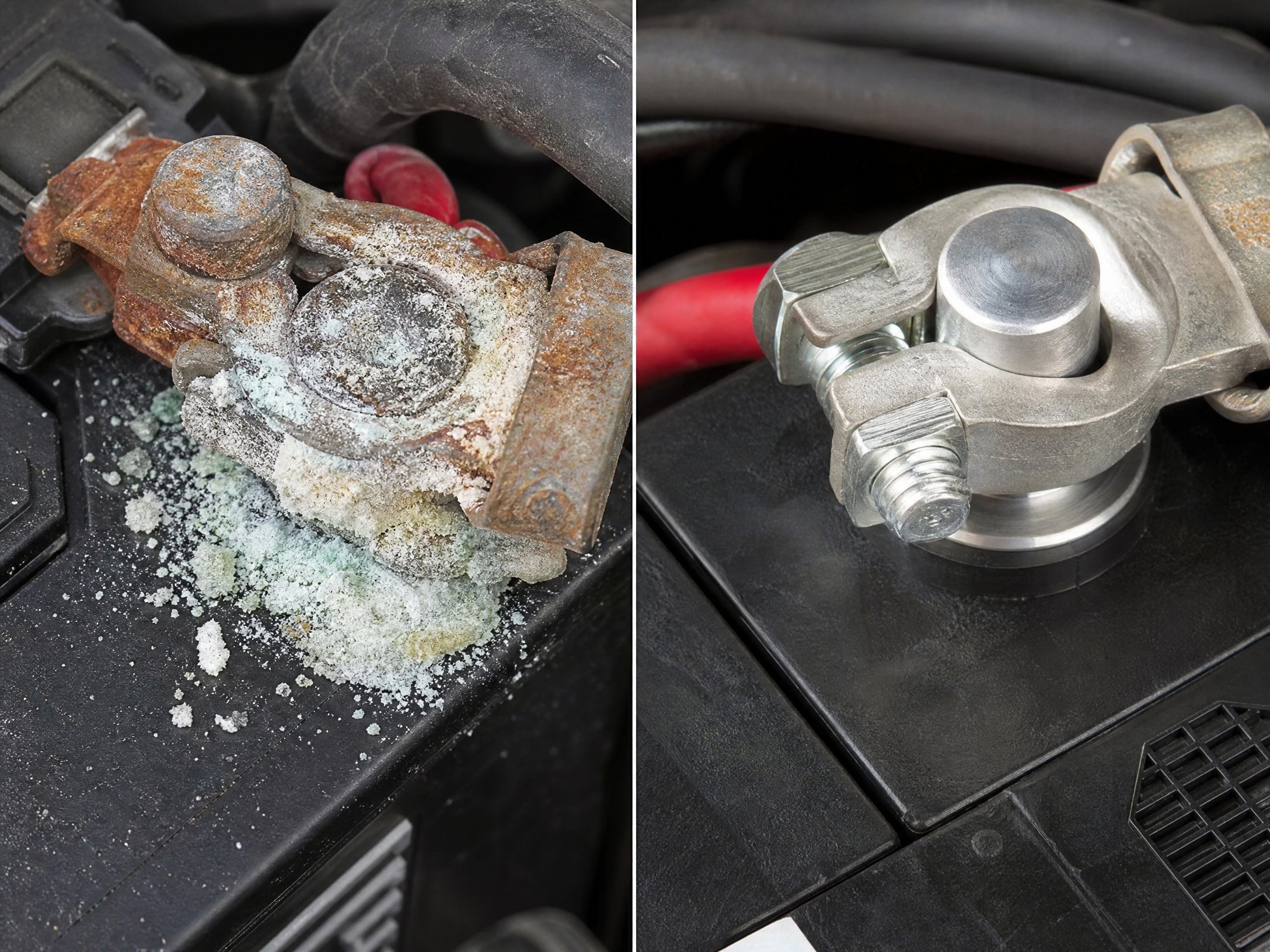
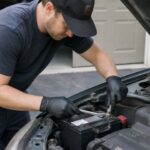
If your battery survived the winter, it’s still likely bruised and battered. Pop the hood and inspect the terminals. You’ll often find a crusty white or bluish buildup of lead sulfate corrosion caked around the battery posts.
Cleaning Terminals the Right Way
Don’t just ignore that fuzzy green powder. Grab a 10mm wrench, disconnect the negative terminal first (always negative first to prevent sparks), and use a wire battery terminal brush to scrub the posts and clamps down to shiny bare metal.
Mix a little baking soda and warm water in a spray bottle to neutralize any acid residue. Before reconnecting everything, apply a thin smear of dielectric grease or terminal protector spray to keep moisture out. If your battery is more than four years old and cranks sluggishly on a warm spring morning, take it to an auto parts store for a free load test before it strands you in a parking lot.
3. Fluids Check: Flushing Out Winter Contaminants
Your car’s fluids work overtime during winter, battling extreme temperature swings and condensation. Spring is the ideal time to check levels, inspect conditions, and perform necessary flushes.
Engine Oil and Coolant
Start with the engine oil. If you ran a heavier winter weight or if you’ve hit your mileage interval, drain it out and fill it back up with fresh oil and a new filter.
Next, check your coolant reservoir. Winter slush and road debris can clog your radiator fins, and old coolant loses its anti-corrosive properties. If your coolant looks murky or rusty brown rather than bright green, pink, or blue, it’s time for a complete coolant flush.
Brake Fluid Moisture Trap
Here is a professional secret most drivers don’t know: brake fluid is hygroscopic, which means it naturally absorbs moisture from the air. Over the winter months, humidity and temperature fluctuations draw water into your brake lines.
Water in your brake fluid lowers its boiling point. If you drive down a steep hill in the summer and ride your brakes, that trapped water boils, turns to gas, and creates a sponge-like brake pedal that won’t stop the car. Grab a cheap brake fluid moisture test strip or use an electronic tester. If the moisture content is above three percent, bleed the system and fill it with fresh DOT 4 fluid.
4. Rubber and Glass: Wiper Blades and Belts
Rubber hates extreme cold and heat. Throughout the winter, freezing rain and ice lock your windshield wiper blades to the glass. When drivers impatiently rip them off or run them over frozen slush, the rubber tears away from the metal frame.
Inspecting Your Drive Belts
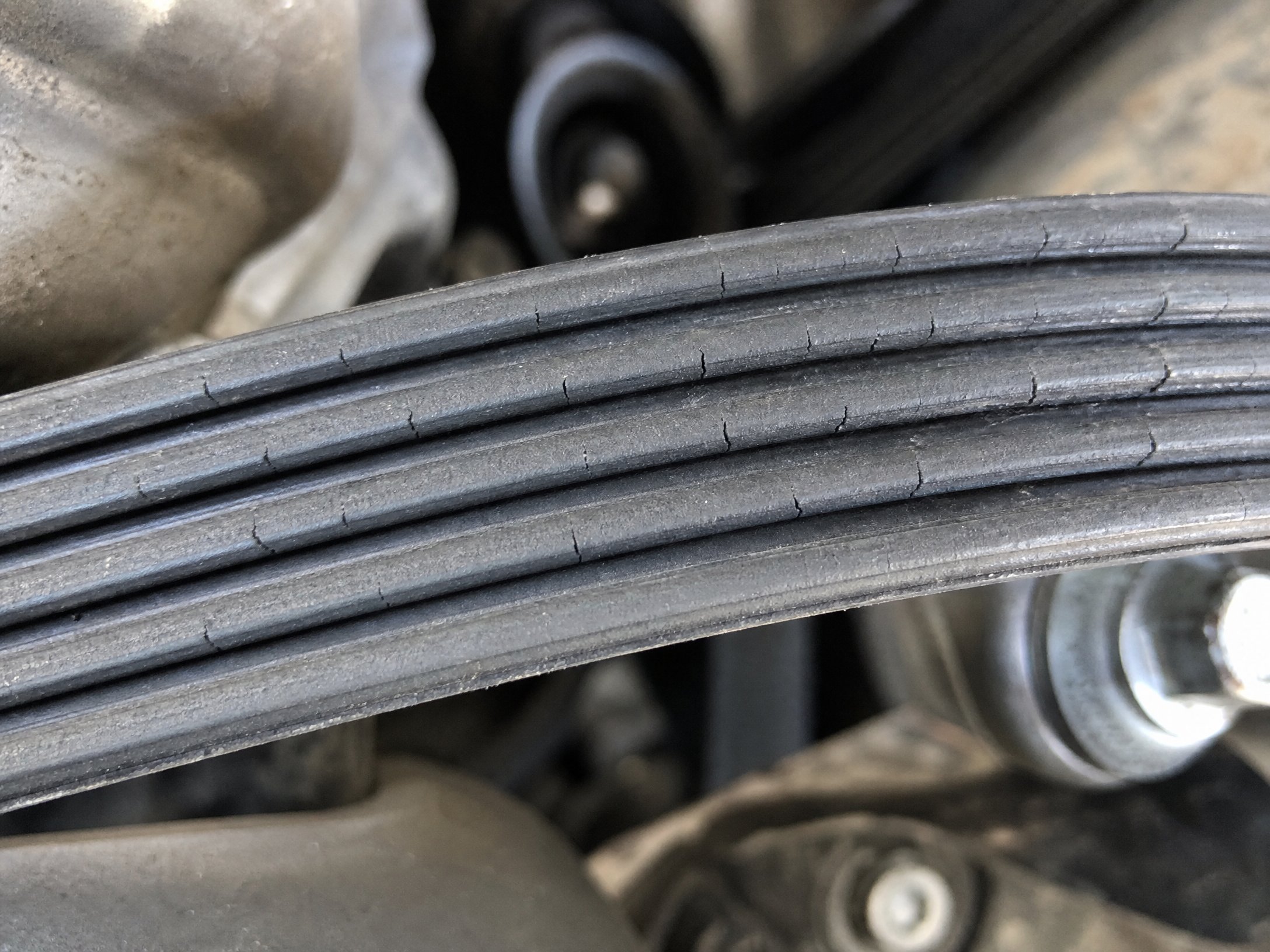
Spring is also the time to inspect your serpentine belt. Take a flashlight and look for tiny cracks, fraying edges, or chunks missing from the ribs.
A snapped serpentine belt means instant loss of power steering, alternator charging, and water pump circulation. If your engine starts overheating or you lose power steering on a hot summer afternoon, you’ll wish you spent thirty bucks on a new belt in March. Keep a 15mm socket and a breaker bar in your trunk so you know how to release belt tension if you ever need to change one roadside.
| Component | Spring Check Action | Replacement Interval |
|---|---|---|
| Wiper Blades | Inspect for tearing and smearing | Annually (every spring/fall) |
| Serpentine Belt | Check for cracks, fraying, and rib wear | Every 60,000 to 90,000 miles |
| Cabin Air Filter | Vacuum out winter dust, leaves, and mold | Annually |
| Brake Fluid | Test for moisture content (under 3%) | Every 2 years |
—
5. Tires and Alignment: Bouncing Back from Potholes
If you live where winter brings freezing temperatures, you also live where winter creates craters in the asphalt. Potholes are the sworn enemy of your car’s suspension and wheel alignment.
Checking Tire Pressure and Tread
As outdoor temperatures rise, your tire pressure changes—typically gaining or losing one PSI for every ten-degree shift in ambient temperature. Check your tire pressure first thing in the morning when the tires are cold. Don’t rely on the dashboard TPMS until you’ve manually verified the pressure with a digital gauge.
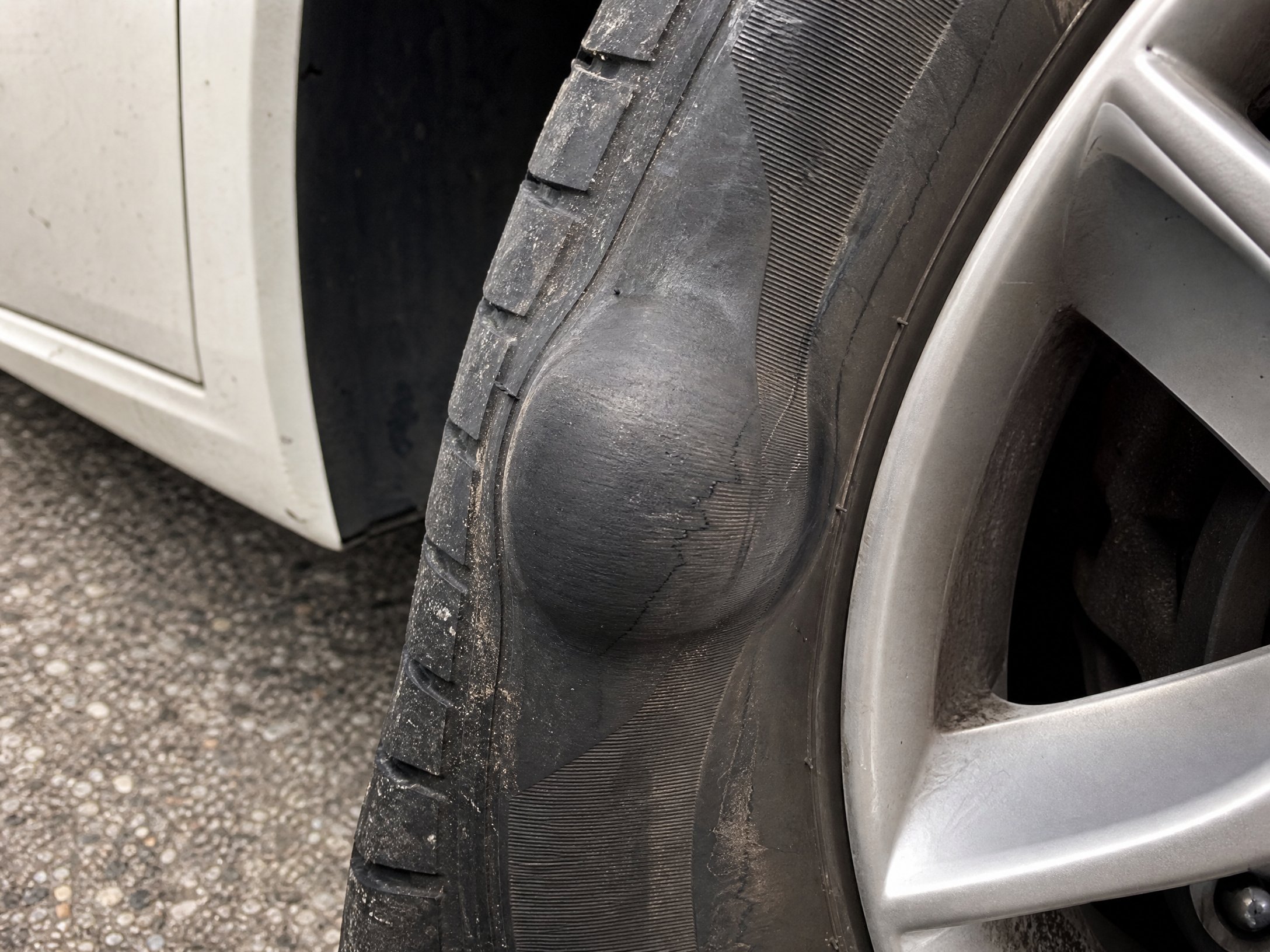
Inspect the tread depth using the classic penny test or a tread depth gauge. Uneven wear on the inner or outer shoulders of your tires is a dead giveaway that potholes knocked your alignment out of whack. If your steering wheel is off-center or the car pulls to one side, get it on an alignment rack immediately.
6. The DIY “Spring Tune-Up” Diagnostic Tool
I built this interactive tool to help you figure out what your car needs most right now based on its current quirks. Click a symptom below to see what your car is trying to tell you after a long winter:
Alex’s Spring Maintenance Finder
Select what your car is experiencing right now:
Select a symptom above to see your maintenance prescription…
7. Final Polish: Cabin Air and A/C Check
Before you roll down your windows and turn on the air conditioning for the first warm weekend drive, check your cabin air filter.
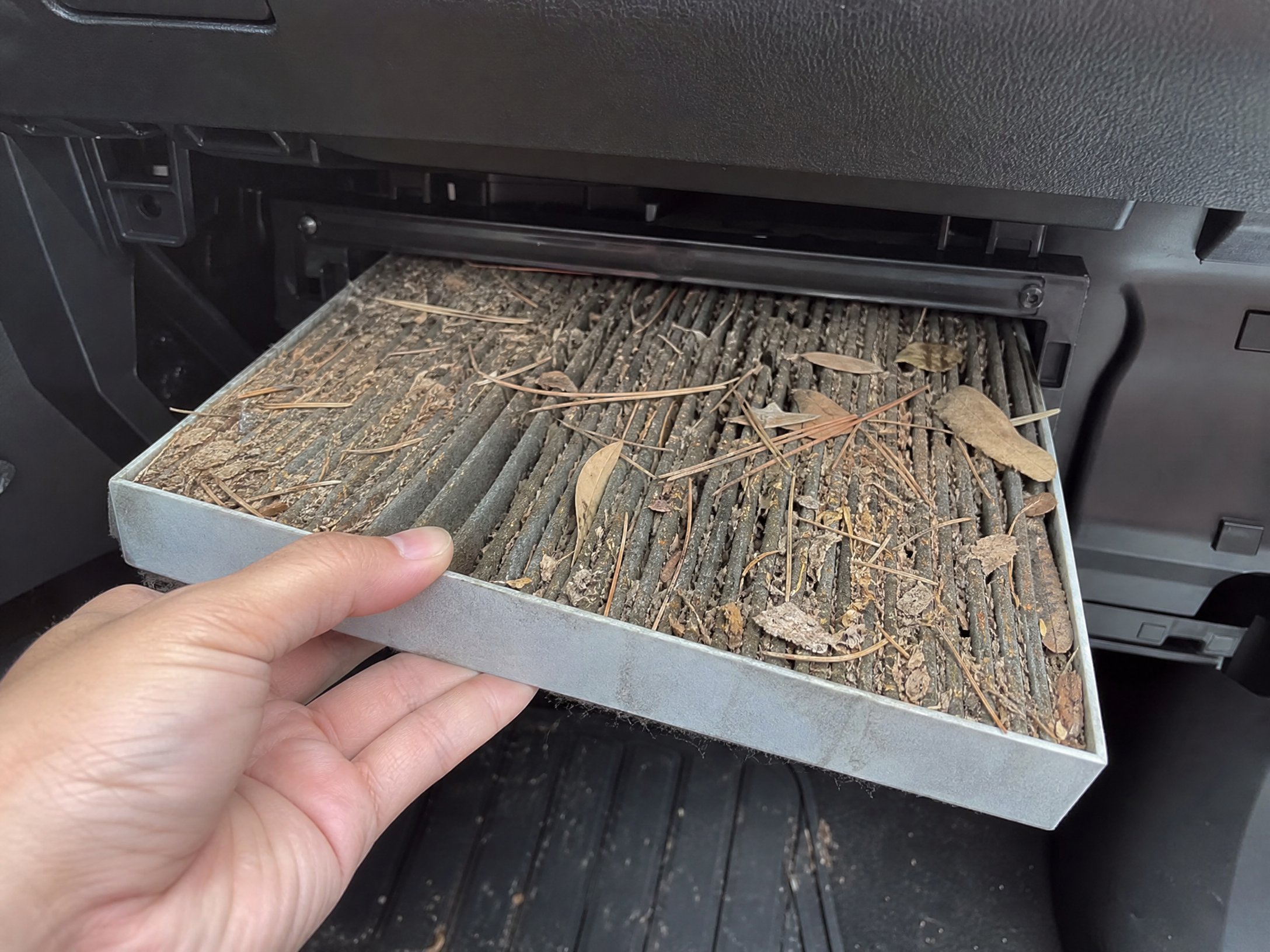
Over the winter, leaves, pine needles, and moisture get sucked into the cowl vent below your windshield. That debris rots inside your ventilation box, creating a breeding ground for mold. When you turn on the blower, you get a blast of foul, musty air straight into your face.
Pull the old cabin filter out from behind the glove box—you’ll probably be disgusted by what you find trapped in the pleats. Drop a fresh carbon-activated filter in, and your nose will thank you.
Spring maintenance isn’t just about chores; it’s about reconnecting with your car after months of cold weather hibernation. Grab your tools, check those fluids, and get your ride ready for the open road.
Stay safe out there, and keep your wrench turning.
— Alex
Related posts:
 Brake Fluid Breakdown: Understanding DOT Ratings and When to Bleed Your Braking System
  Why Is Your Car Leaking Clear Fluid? (How to Identify 5 Common Leaks)
  The Science of Suspension: Choosing the Right Car Parts for Enhanced Performance and Comfort
  How to Change Your Car Battery at Home: Step-by-Step DIY Guide
Leave a Reply