
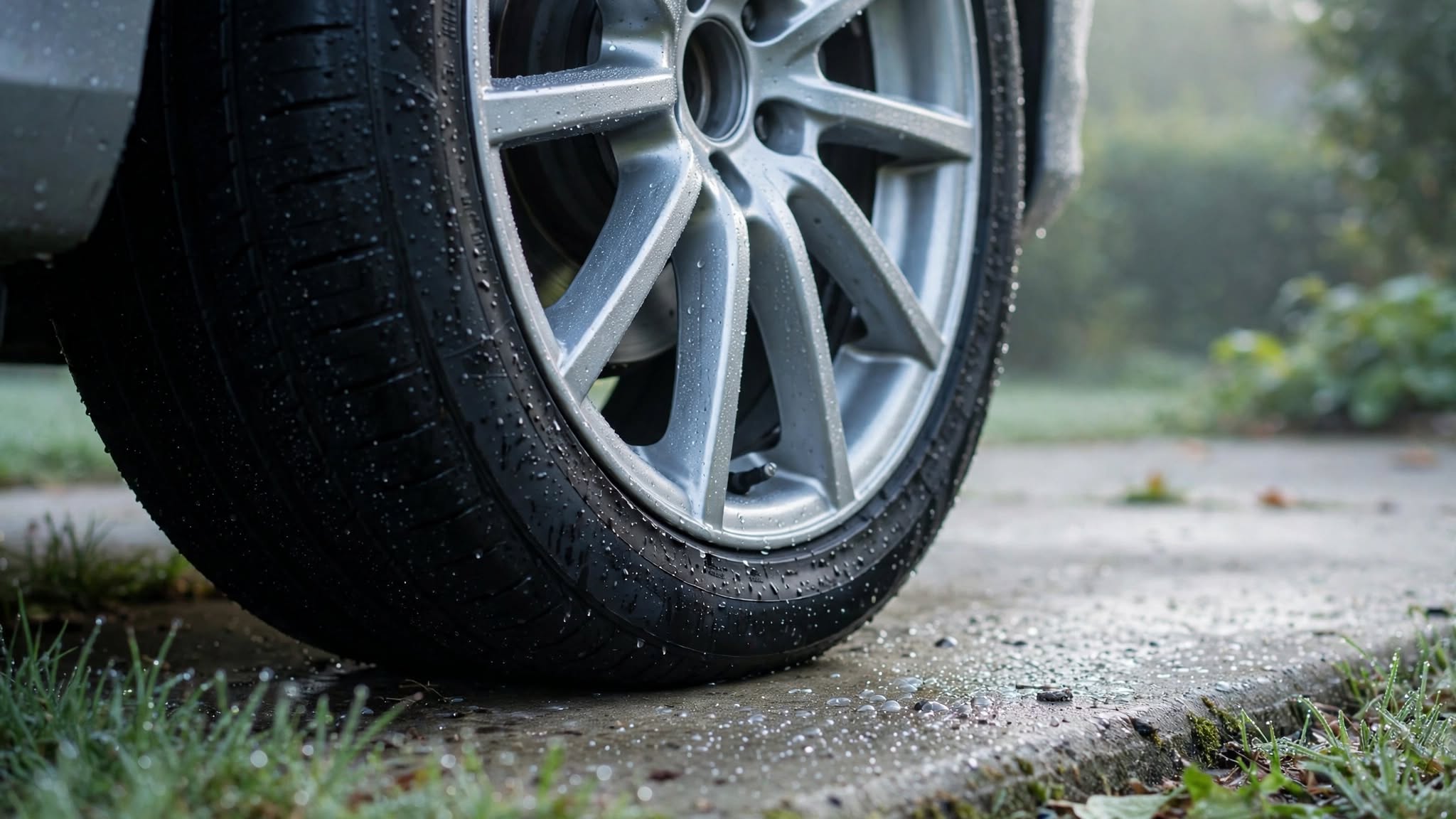
You walk out, start car, back out driveway, tap brakes and grrrrr. Ugly grinding. Goes away after stop or two. Short answer: most times it is normal. Long answer: you need to know difference between normal morning rust and real wear.
What that morning grind is
Brake rotor is bare steel. Pads press against it. When thin layer rust, moisture, or dust sits on rotor overnight, pad scrapes it off. That scraping is grind. Like sandpaper on metal. First couple stops clean rotor, surface smooth again, noise stops.
If grind goes away in 1-3 stops and braking feels normal, it is usually just overnight surface rust. If lasts longer, pulls, vibrates, or pedal feels rough, different story.
Why only first thing in morning
1. Surface rust from overnight moisture – number one
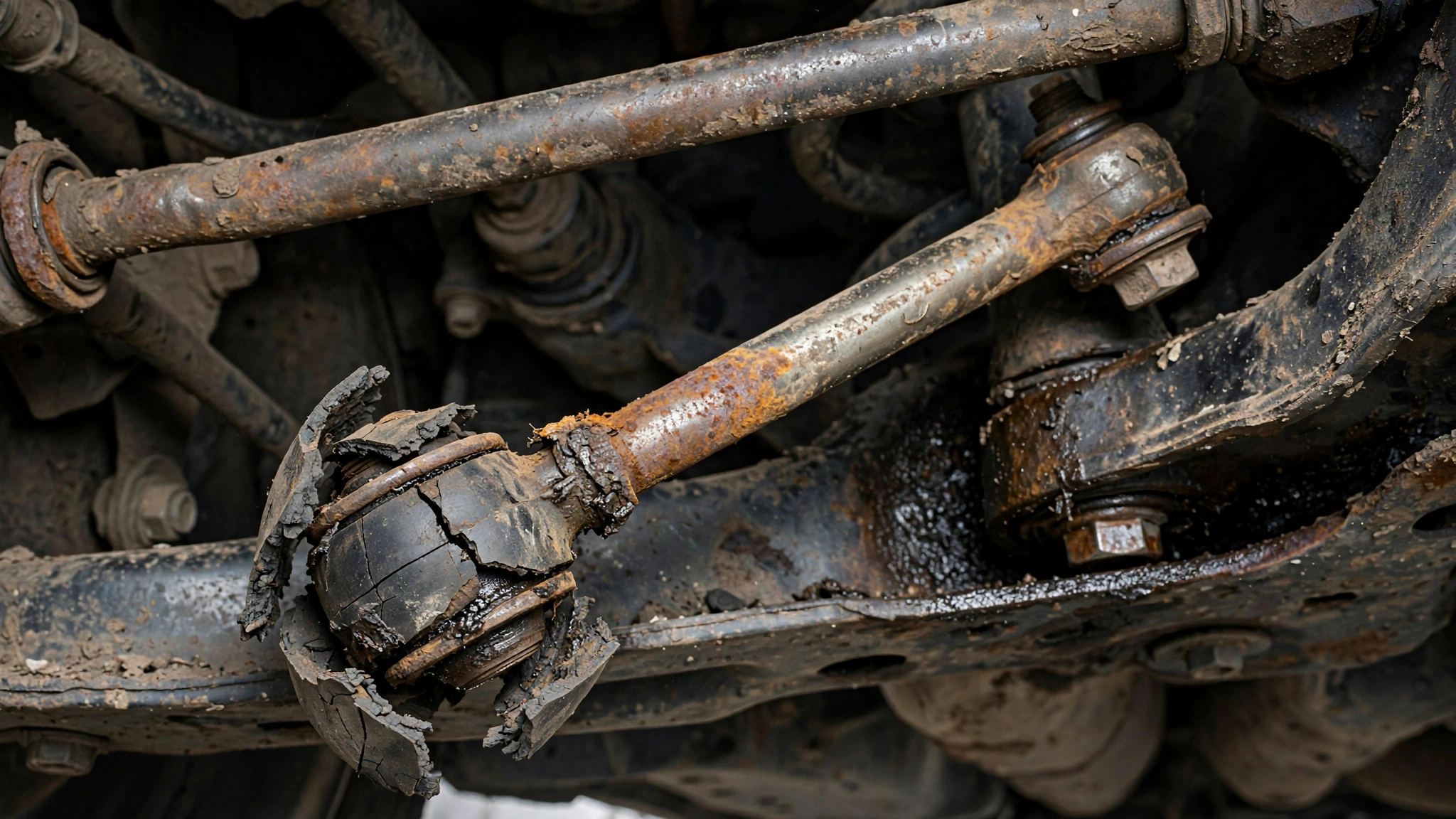
Bare rotors rust fast. Thin coat dew, humidity, rain, snow enough. Iron oxidizes, light orange film, pads grind it off. Normal on all cars. More if park outside, live near coast, rained last night. Signs: lasts 2-4 stops, light orange dust on wheel, rotor looks orange then shiny after.
2. Morning dew and light condensation
Even without rust, moisture makes pad slip then grab. Can cause light grinding or squeal. Goes away after heat.
3. Brake dust buildup
Cheap metallic pads shed dust that sits on rotor overnight and grinds. Switch to ceramic for less dust and quieter mornings.
4. Pads worn to wear indicator
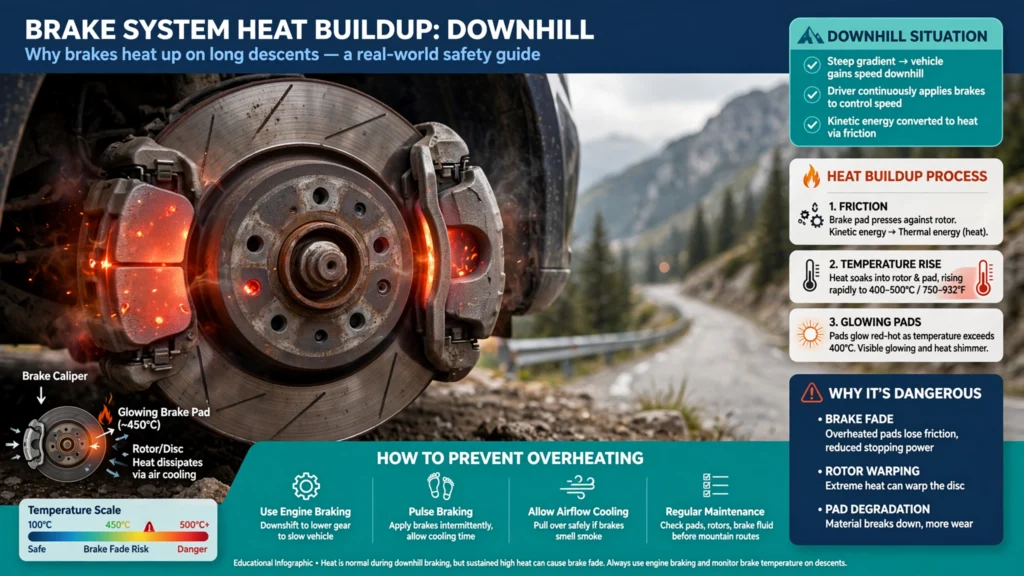
Most pads have small metal tab that touches rotor when pad thin, about 2-3mm left. It grinds every stop, not just morning. If grind lasts all day and gets louder, check thickness. Do not wait.
5. Rotor lip and edge rust
Rotor develops raised lip at outer edge as it wears. Pad hits lip first thing, grinds, then settles. Lip means rotor near end of life. Measure thickness.
6. Stuck caliper or rust on pad backing
If car sits days, pads can lightly rust to rotor. First move makes loud crack then grind. If car sat weeks, pads may stick more. Drive gently first stops.
Normal vs worry – quick table
| Symptom | Normal | Needs check |
|---|---|---|
| Duration | 1-3 stops | >5 stops or all day |
| Sound | Light scrape | Loud metallic grinding, vibration |
| Pedal | Normal | Pulsing, soft, pulls |
| When | After rain, humid, parked outside | Even after dry garage |
What to do
- First drives: Brake gently early, let pads clean rotor. Do not slam first stop.
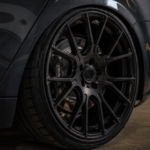
- Inspect: Look through wheel spokes at rotor. Orange film normal. Deep grooves, heavy rust scaling, lip >1mm means measure.
- Measure pads: Most calipers have inspection hole. Pad backing + friction < 5mm total is thin. Replace.
- Check for sticking: After short drive, touch wheel center near lug nuts carefully. One wheel much hotter means caliper dragging.
🌅 Morning Grind Checker
Fixes that help
- Park in garage or use breathable car cover to reduce dew.
- Coated rotors – hat and edges coated, face still bare but less rust spread.
- Ceramic pads – less aggressive, less morning noise, less dust.
- Bedding: after new pads/rotors, do proper bedding procedure to lay even film.
When to replace
If pads <3mm, rotor below minimum thickness, or grinding lasts beyond morning, replace. Always replace hardware clips and lube sliders. Cost $250-$500 per axle DIY with quality parts, $350-$700 shop.
Morning grind is your brakes saying good morning. Usually it is just rust wiping off. Know the normal pattern and you will know when it is more.

Leave a Reply