This guide was written by a mechanic who has seen this exact issue in the shop and driveway.
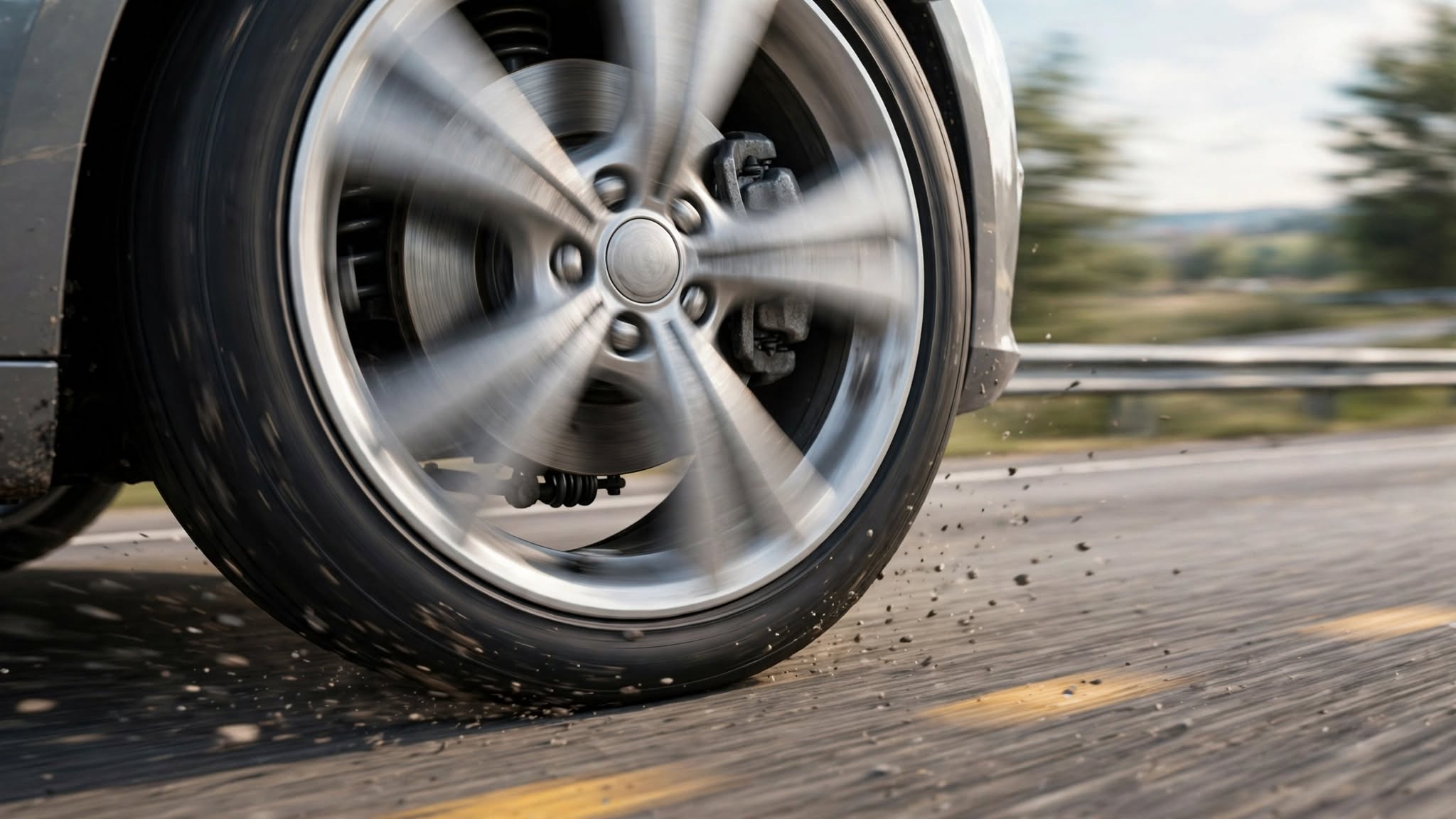
You are cruising at 60 mph, radio low, and then you hear it. A low, steady humming sound from the front wheels that gets louder the faster you go. It is not a screech, not a clunk, just a hum like invisible rumble strips.
I have heard it on my own cars more than once. That sound is your car telling you something up front is not spinning the way it should. Most times it is not an emergency, but you should not ignore it.
What that humming really means
Speed makes the problem louder. That is your best clue. When you drive slow, parts spin slow and small wear stays quiet. At 50, 60, 70 mph that wobble becomes constant vibration. Your ear hears it as a hum.
- Changes with speed, not engine RPM. If hum gets louder with car speed even in neutral, it is wheels, not engine.
- Felt in floor or steering wheel. Front hums vibrate through your feet or hands.
- Steady pitch. Constant pitch means something spinning: bearing, tire, axle.
Most common causes
1. Worn front wheel bearings (number one culprit)
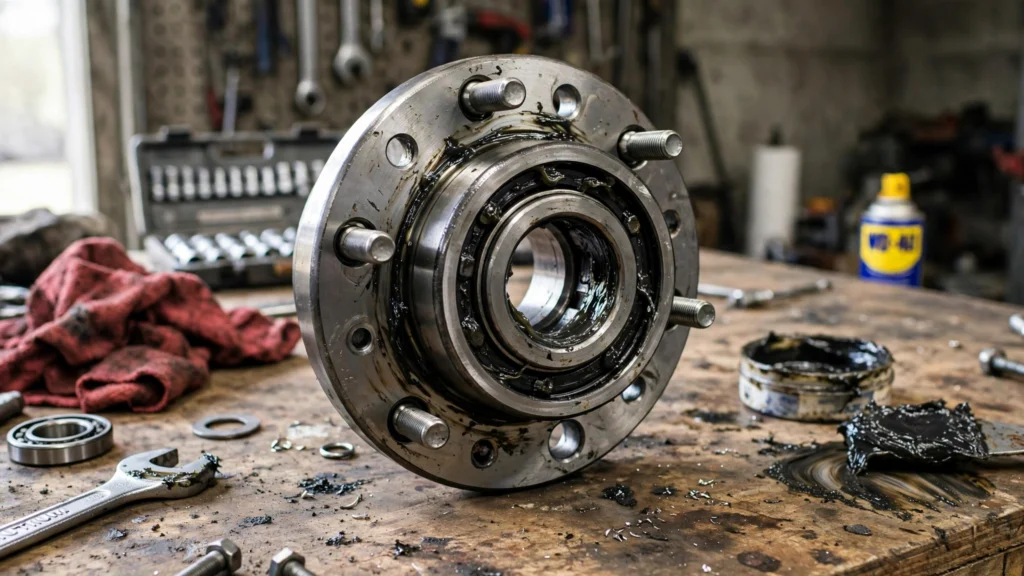
Your front wheel bearings let wheels spin freely. They are sealed units packed with grease. After 80k-120k miles, grease dries, balls pit, and you get a drone. Test: drive 40 mph on empty road, swerve gently left then right. If hum gets louder when you load one side, that side bearing is bad. Jack car, grab tire at 12 and 6, wiggle. Any play or gritty spin confirms it. Replace in pairs for front.
Cost: $180-$400 per side parts+labor. Do not wait; a failed bearing can seize.
2. Uneven tire wear / cupping
Tires that are feathered, cupped, or chopped create a hum that sounds exactly like a bearing. Run your hand over tread. If you feel high-low edges like saw teeth, alignment or worn shocks caused it. Cheap tires get louder faster. Rotate regularly, keep pressure at door sticker, align yearly.
3. CV axle or wheel hub issues
Front-wheel drive cars have CV joints. When outer joint dries, it hums at speed and clicks on turns. Check boots for grease spray. If torn, replace axle.
4. Brake drag
Stuck caliper slider pin makes pad lightly touch rotor always. Hum plus warm wheel and slight pull. Clean and lube sliders yearly.
5. Aerodynamics and trim
Loose fender liner, missing clips after oil change, can whistle and hum only above 55. Push on liners; listen.

How to diagnose at home in 15 minutes
- Speed test: Note when hum starts. Bearing hum usually starts around 30-35 mph.
- Neutral coast: At 50 mph, shift to neutral. If hum stays same, not engine.
- Turn test: Gentle lane changes load bearings. Louder on left turn means right bearing bad.
- Tire inspection: Check pressure, run hand over tread, look for cupping.
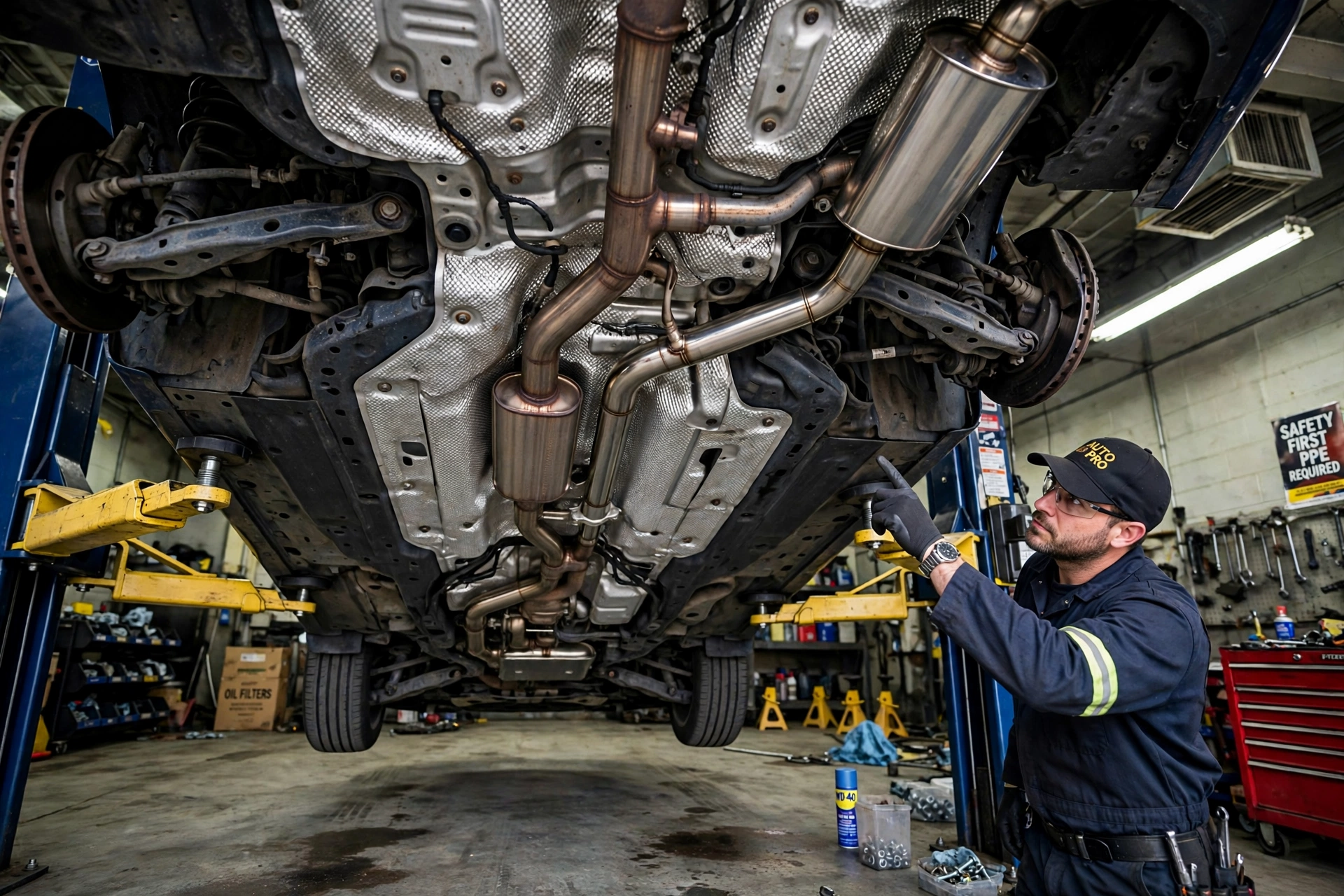
- Jack and wiggle: Lift front, spin wheel, listen for grinding.
When to see a mechanic right away
If hum comes with steering looseness, ABS light, or wheel gets hot, tow it. A loose bearing is safety issue. Also if hum appeared after hitting pothole hard, check for bent rim and internal tire separation.
Prevention that actually works
- Rotate tires every 5k-6k miles.
- Keep alignment checked, especially after curb hits.
- Do not pressure wash bearings directly; water kills grease.
- Torque lug nuts to spec, not impact gun max. Over-torque warps hub.
🔧 Front Wheel Hum Diagnosis Tool
FAQ
Can I drive with humming wheel bearing? Short distance low speed only. Highway can overheat and lock.
Is it tires or bearing? Rotate front to rear. If hum moves to rear, it is tire.
Why only when driving fast? Small defect amplifies with rotational speed. At low speed, frequency too low to hear.
That hum is early warning. Catch it now and you save hub, tire, and maybe a tow.
Related posts:
 Brake Fluid Breakdown: Understanding DOT Ratings and When to Bleed Your Braking System
 Why Is Your Steering Wheel Shaking? (Diagnosing Tire Balance, Warped Rotors, and Loose Suspension)
 Check Engine Light On? 5 Common Causes & DIY Fixes
 Home Car Detailing Checklist: Carpets, Upholstery & Trim Cleaning

Leave a Reply