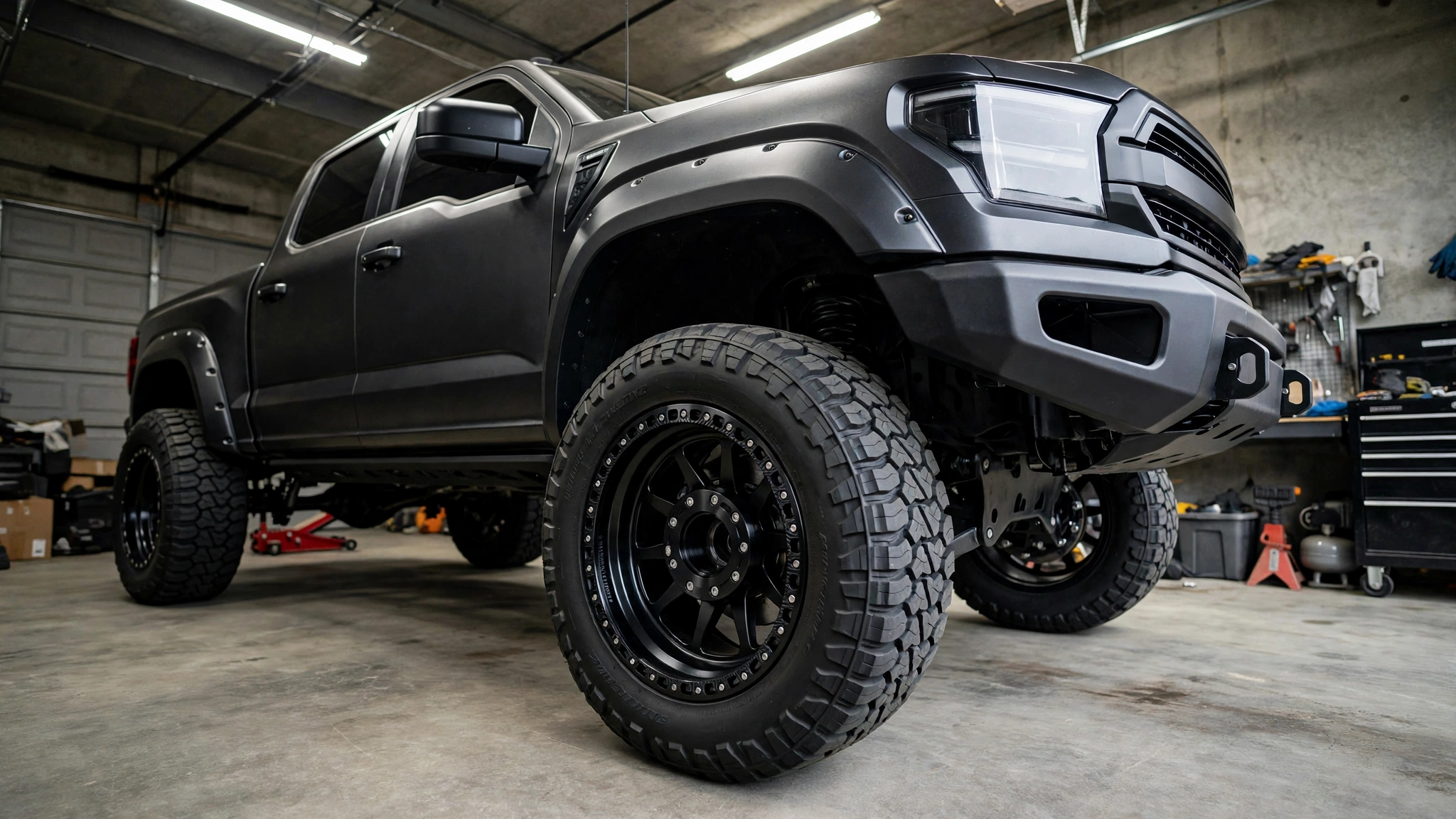
A wider stance looks tough. It also helps with big tires. But spacers touch your wheels. That means fit and torque matter a lot. I have run spacers on trucks. I have also seen bad installs. The good news is simple. Pick the right bolt pattern. Pick the right hub bore. Torque them right. Then check them again. This guide keeps it plain. We rank five heavy-duty picks from least to best. Each one is a real Amazon pick. Each one suits a clear truck or Jeep. Read the fit notes. Then pick the one that matches your ride.
Before You Buy
Know your bolt pattern. Know your hub bore. Know your stud thread. A 6×5.5 truck is not the same as a 5×5 Jeep. A hub bore that is too small will not seat. A bore that is too big can shake. Hubcentric spacers center on the hub. That helps at speed. Lug-centric spacers center on the studs. They can work, but they need more care. Pick forged or billet aluminum when you can. Look for grade 10.9 studs. Use a torque wrench. Use thread locker if the maker says so. Plan to re-torque after 50 miles. Clean rust off the hub face first. A dirty hub can tilt the spacer. Check your stock studs. Long studs can hit the back of the wheel. If they do, you need a thicker spacer or shorter studs. Check local rules too. Some places limit how far tires can stick out.
#5. ECCPP 2PCS 50mm Hubcentric Wheel Spacers 2 Inch 6×5.5
- 【Fitments Include】The 6×5.5 Wheel Spacers fit for 2003-2016 for Express…
- 【Specifications】The 2 Inch Wheel Spacers 6 Lug with Thickness:2″ or…
A simple pair for the front or rear. It gives a wide look with less fuss. The billet build feels solid. The studs are strong. This is a good way to test spacers on one axle. Check fit for your year. Clean the hub well. Torque in a star pattern. Fit: GM trucks and SUVs. Spec: 2 inch, 6×5.5, 78.1mm bore, M14x1.5.
Pros
- Hubcentric fit helps cut vibration
- Forged or billet build feels strong
- Easy install with basic tools
Cons
- Must re-torque after first drive
- Fit varies by year, so check first
Best for: Pair for GM 1500 trucks.
#4. IRONTEK 2in 6×139.7mm Hubcentric Wheel Spacers

- 【WHEEL SPACER PARAMETER】Vehicle Bolt Pattern:6×5.5, Wheel…
- 【HUBCENTRIC SPACERS FITMENT】 WHEEL SPACERS 6×139.7mm Fit for Toyota…
You get four spacers in one box. That suits a full truck. The hubcentric lip helps cut shake. The fit is made for Toyota 6-lug trucks. Look at your stock stud length. Some wheels need a check for poke. The black coat hides dirt. Fit: Toyota trucks and Lexus GX. Spec: 2 inch, 6×139.7, 106mm bore, M12x1.5.
Pros
- Hubcentric fit helps cut vibration
- Forged or billet build feels strong
- Easy install with basic tools
Cons
- Must re-torque after first drive
- Fit varies by year, so check first
Best for: Full set for Toyota.
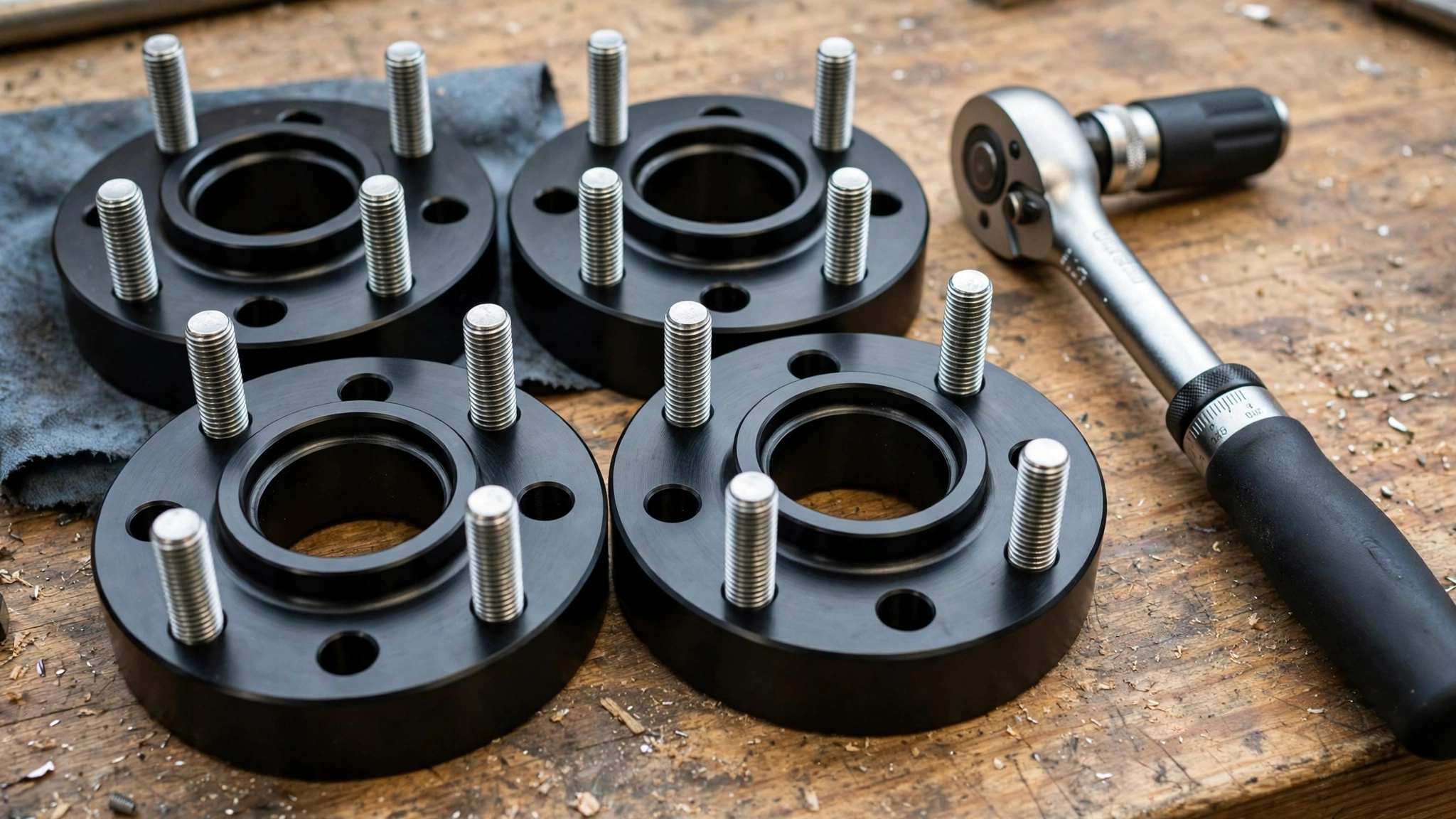
#3. CKAuto 4 Pack 6×5.5 Hub Centric Wheel Spacers 2 Inch

- VEHICLE SPECIFIC – Our wheel adapter only fits the 4Runner 1989-2021 / FJ…
- WHEEL SPACERS SPECIFICATION – Vehicle Bolt Pattern 6×5.5″ (6×139.7mm…
This set is a crowd pick for a reason. It fits a lot of Toyota trucks. The hub bore lines up well. The studs feel tough. Install is plain. You still need to re-torque after a short drive. That step keeps things safe. Fit: Toyota 4Runner, Tacoma, Tundra. Spec: 2 inch, 6×139.7, 106.1mm bore, M12x1.5.
Pros
- Hubcentric fit helps cut vibration
- Forged or billet build feels strong
- Easy install with basic tools
Cons
- Must re-torque after first drive
- Fit varies by year, so check first
Best for: Full set with strong studs.
#2. Rough Country 1.5 Inch 5×5 Wheel Spacers for Jeep Wrangler JK

- Spaces wheel 1. 5″ allowing use of wider tires..Fit Type: Vehicle Specific
- Hub centric design.

Rough Country is a known name in Jeep parts. This set is made for JKs. The 1.5 inch push is mild. It clears bigger tires. It keeps the stock feel. The build is stout. Pair it with stock wheels for a stock-plus look. Fit: Jeep Wrangler JK. Spec: 1.5 inch, 5×5, Jeep JK.
Pros
- Hubcentric fit helps cut vibration
- Forged or billet build feels strong
- Easy install with basic tools
Cons
- Must re-torque after first drive
- Fit varies by year, so check first
Best for: Jeep owners who want a clean stance.
#1. KSP 6×5.5 Wheel Spacers 1.5 Inch Forged Hub Centric for Tacoma and 4Runner

- 【Attention!!!】For safer driving,if the length of your original bolt is…
- 【Specification】PCD Pattern: 6×5.5 (6×139.7mm) to 6×5.5, ensuring…
This is my top pick. The forged build is strong. The hubcentric lip fits snug. The 1.5 inch size is safe for daily use. It gives a wide stance without going too far. It works with many Tacoma and 4Runner years. Check the listing for your year. Use thread locker as told. Re-torque after 50 miles. Fit: Toyota Tacoma and 4Runner. Spec: 1.5 inch, 6×139.7, 106mm bore, M12x1.5.
Pros
- Hubcentric fit helps cut vibration
- Forged or billet build feels strong
- Easy install with basic tools
Cons
- Must re-torque after first drive
- Fit varies by year, so check first
Best for: Best all-round pick for Toyota trucks.
Quick Comparison
| Pick | Fit | Thickness | Why pick it |
|---|---|---|---|
| #5 ECCPP | GM 1500 | 2 inch | Simple pair |
| #4 IRONTEK | Toyota | 2 inch | Full set |
| #3 CKAuto | Toyota | 2 inch | Strong studs |
| #2 Rough Country | Jeep JK | 1.5 inch | Jeep fit |
| #1 KSP | Toyota | 1.5 inch | Best all-round |
How To Choose
Start with your truck. Write down year, make, and model. Then find bolt pattern, hub bore, and thread pitch. Your manual or a fit guide can help. Do not guess. A small miss can cause shake. Pick thickness with care. A 1.5 inch spacer is a safe daily size. A 2 inch spacer looks wider. It also puts more load on parts. Think about tire rub. Think about fender poke. Think about your wheels. Some wheels have pockets on the back. Those pockets let long studs hide. Some wheels have a flat back. Those need a check. Pick hubcentric when you can. It centers the wheel. It cuts shake. Look at stud grade. Grade 10.9 is a good sign. Look at the finish. Anodized black resists rust. Forged beats cast for strength. Check the box. You want spacers, nuts, and thread locker in the kit.
How To Use
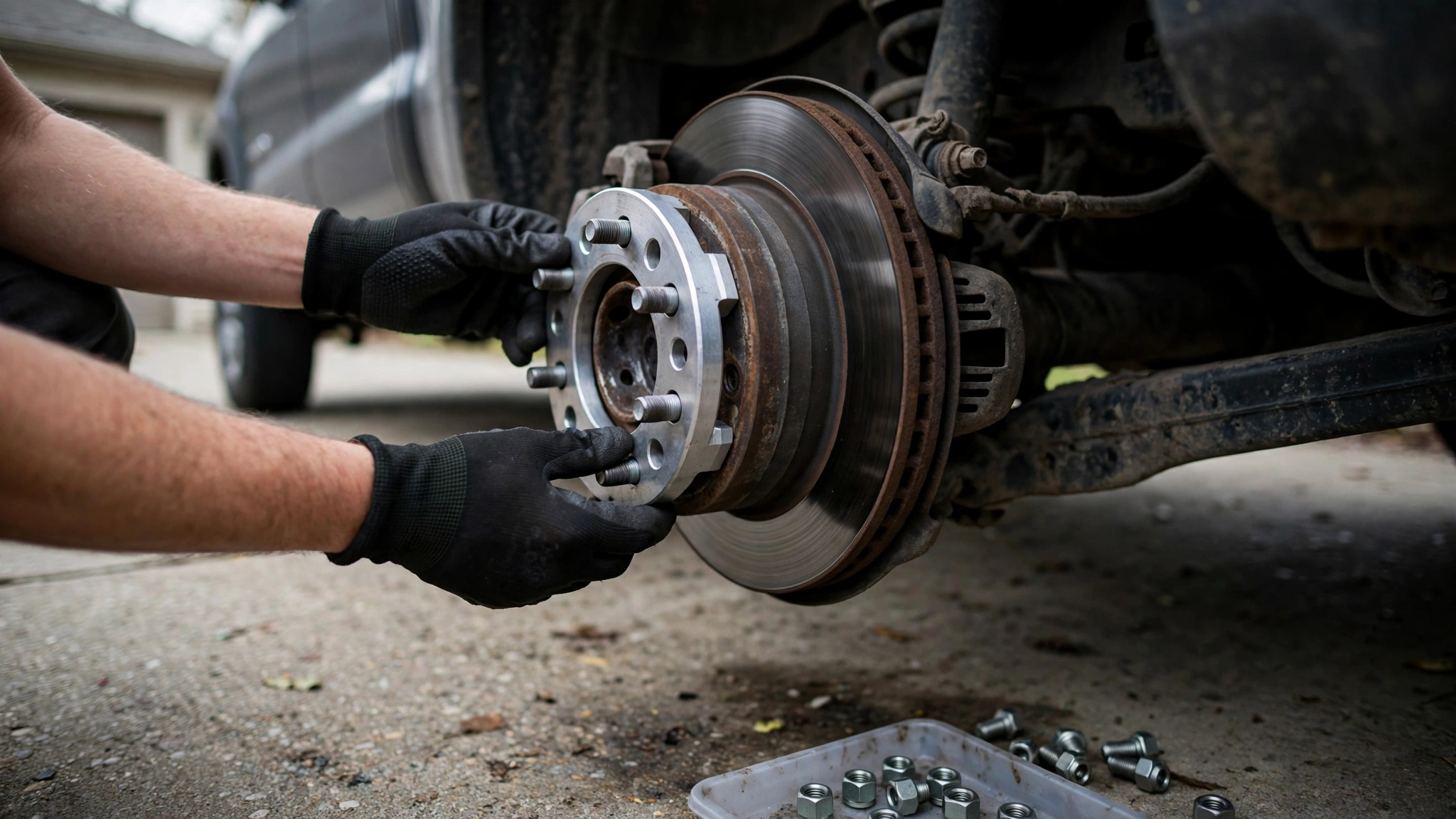
Work on flat ground. Use jack stands. Never trust a jack alone. Take the wheel off. Clean the hub face with a wire brush. Slide the spacer on. It should sit flat. Add thread locker if the maker says so. Torque the spacer nuts in a star pattern. Use the spec in the box. Put the wheel back on. Torque the wheel nuts in a star pattern too. Drive a short way. Then re-torque. Do it again after 50 miles. Check for shake. Check for noise. If you feel shake, stop. Pull the wheel. Look for dirt or a bent stud. Do not drive on a loose spacer. Keep a torque wrench in the truck for the first week. After that, check at each tire rotation. That habit keeps you safe.
FAQ
Are wheel spacers safe? Yes, when they fit and are torqued right. Use hubcentric spacers. Clean the hub. Re-torque after a short drive.
Do spacers hurt bearings? A wide stance adds load. A mild size is fine for most trucks. A huge size adds more wear. Keep it sane.
Will spacers cause shake? They can if the hub is dirty or the bore is wrong. Clean the face. Pick the right bore. Torque in a star pattern.
Can I use spacers with stock wheels? Yes, in most cases. Check stud length and wheel back pockets. Test fit before you drive far.
How often should I check them? After 50 miles, then at each rotation. A quick check takes a few minutes.
Final Verdict
If you want one pick, get the KSP set for Tacoma and 4Runner. It is forged. It fits snug. The 1.5 inch size works for daily use. It gives a clean wide stance. Jeep owners should grab the Rough Country set. GM owners on a pair swap can start with ECCPP. Whichever you pick, fit is king. Torque is king. Check your work. Drive safe.
Useful Tool
Use the picker below to match a spacer to your ride.
Wheel Spacer Picker
What to Expect With a Wide Stance
A wide stance changes how your truck feels. Steering may feel a touch heavier — that’s normal.
Your tires will also throw more dirt, so mud flaps help.
Check During Tire Rotations
When you rotate your tires, wash the hubs. Salt and mud can hide rust.
Check for:
- Studs: Look for rust or stretch. Swap them if they look worn.
- Spacer face: Look for nicks. A nick can keep it from sitting flat. Wipe it clean with a rag.
- Lug nuts: Check them one by one.
Keep Good Records
- Keep your old lug nuts in a labeled bag. It helps if you swap wheels later.
- Take photos of the hub before you install. That makes it easier to spot changes later.
- Keep a log in your phone: date, miles, and torque. It only takes two minutes, and it saves a lot of worry at the next rotation.
The Most Important Rule
Take your time. Don’t rush the torque step — your wheels hold your truck up.
Have a friend watch the first drive. A second set of eyes helps.
Listen for clicks. Feel for shake. Trust your gut. If it feels off, stop and check.
If you’re unsure about anything, ask a shop. A pro check is cheap peace of mind.
Good spacers last a long time when you care for them. Bad installs fail fast.


Leave a Reply