
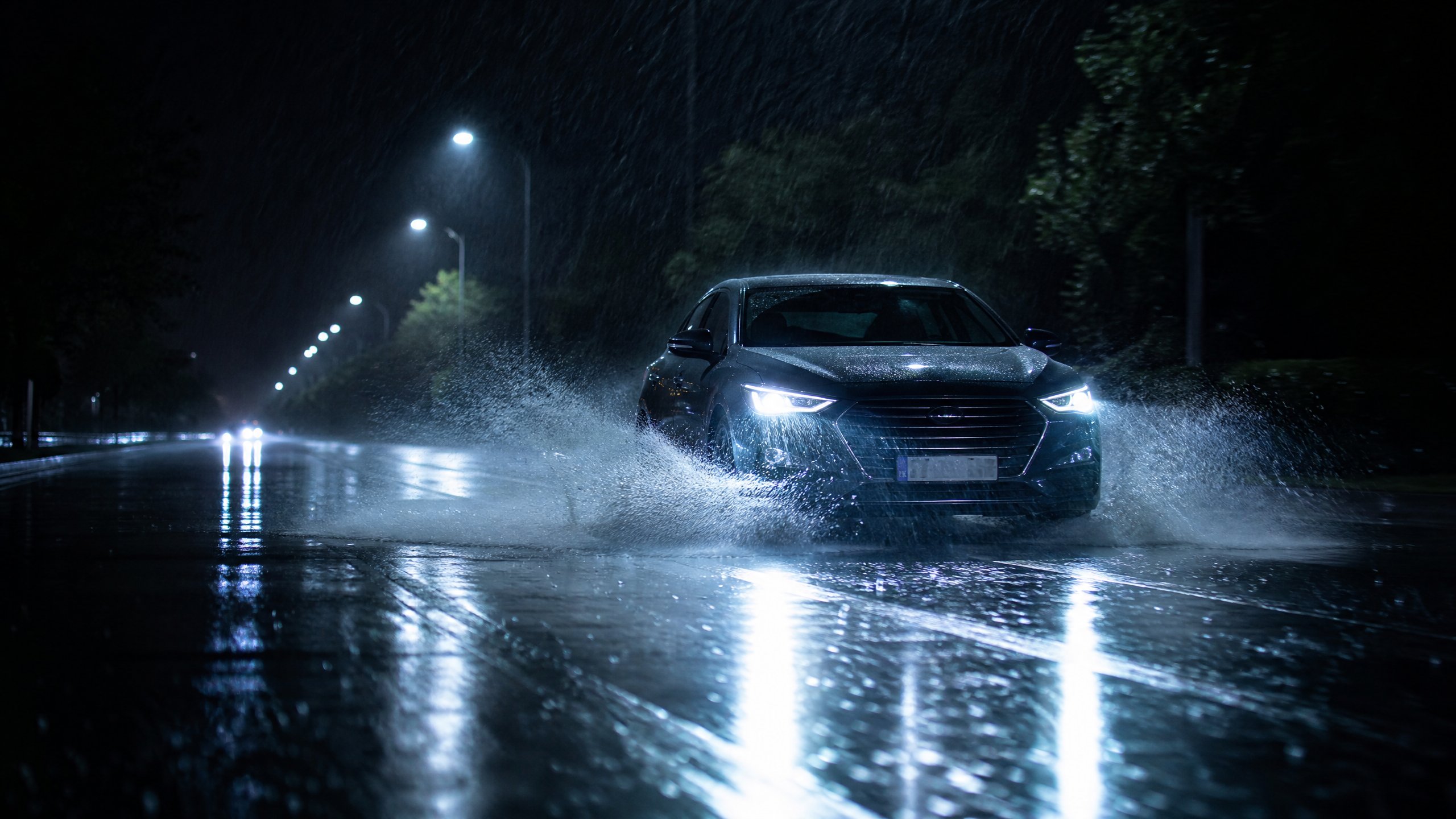
There is a unique kind of tension that comes with driving in a torrential downpour. The sky turns a bruised purple, the wind starts howling, and suddenly, your windshield is a sheet of water. I’ve been in that driver’s seat, and I’ve also been the mechanic who has to pull cars out of ditches because their tires were bald or their wipers were shot. When the rainy season hits, your car needs to be more than just a mode of transportation—it needs to be a fortress.
As lead mechanic here at CarsRevamp, I want to make sure you’re prepared for whatever the clouds dump on you. Driving in the rain is statistically more dangerous than driving in the snow for many people because they don’t respect the water. In this guide, I’ll walk you through the essential maintenance and driving tips to keep you safe when the roads get slick. A good wax or sealant will clean and protect your paint from acid rain and road grime.
1. Tires: Your Only Connection to the Road
In a heavy rainstorm, your tires are doing something incredible: they are pumping gallons of water out from under the tread every second. If that water isn’t cleared, your car will “hydroplane,” which is just a fancy way of saying you’re now driving a boat with no rudder.
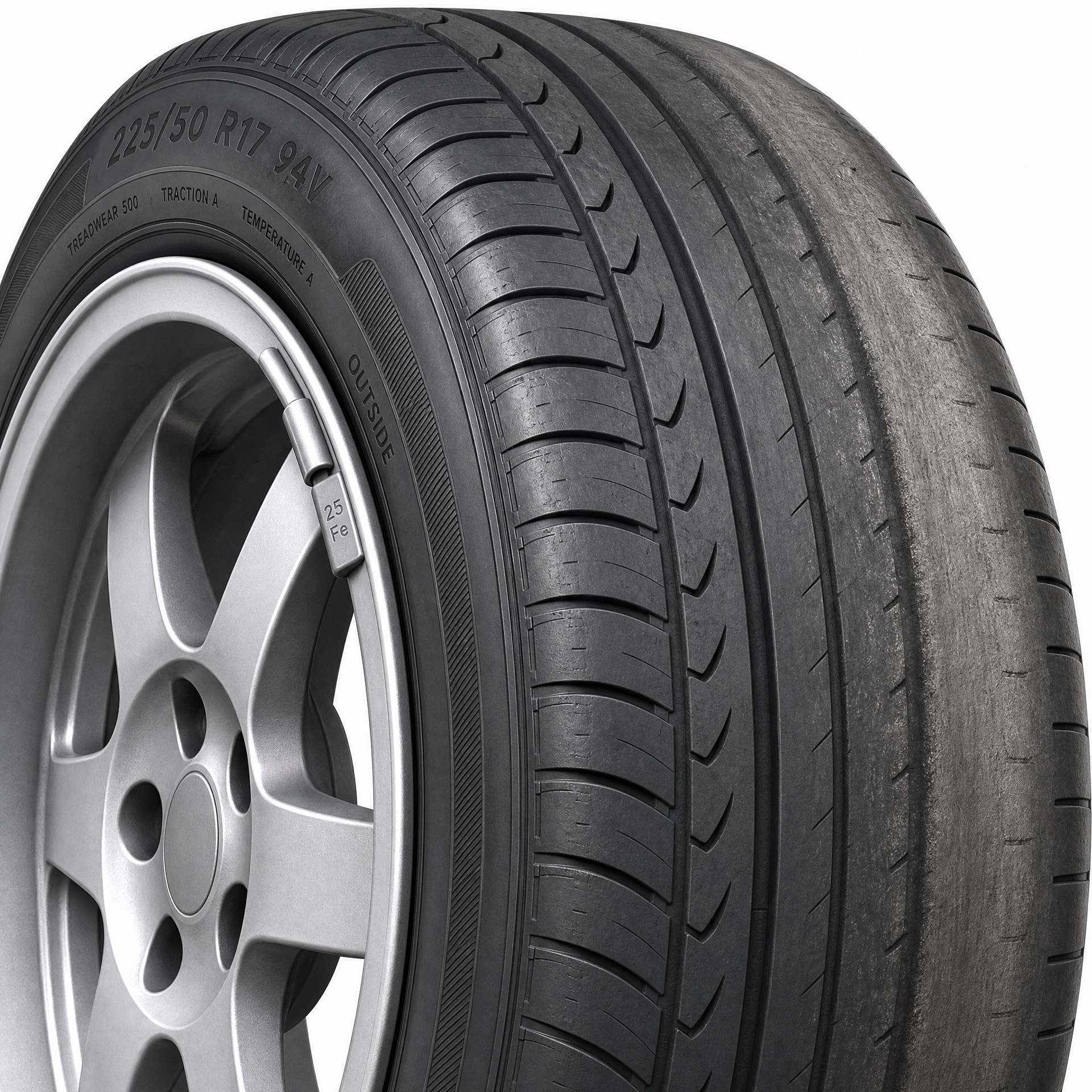
Checking Tread Depth
I tell everyone the same thing: don’t wait for the wear bars to show. By the time your tires hit the legal limit of 2/32″, they’ve already lost most of their wet-weather effectiveness.
Grab a penny and stick it into the tread with Lincoln’s head upside down. If you can see the top of his head, you have less than 4/32″ of tread left. In my shop, that’s when I recommend replacement for the rainy season. You need those deep grooves to channel the water away.
2. Visibility: The Importance of Clear Sight
If you can’t see the road, you can’t drive on it. Most drivers ignore their wiper blades until they’re streaking so badly they can’t see the car in front of them.
Wiper Blade Maintenance
Wiper blades are made of thin rubber that degrades in the sun. If your wipers are “chattering” (skipping across the glass) or leaving a hazy film, they’re done.
I always recommend a high-quality silicone wiper blade. They last twice as long as standard rubber and leave a thin water-repellent coating on the glass. Also, make sure your washer fluid reservoir is topped up with a de-icer or rain-repellent fluid rather than just plain water.
3. Lighting: Being Seen is Just as Important
In a heavy downpour, your headlights aren’t just for you to see; they’re so other drivers can see you. I’ve seen too many silver and grey cars disappear into the mist because they didn’t have their lights on.
Headlight Restoration
If your headlight lenses are cloudy or yellowed, they’re blocking up to 70% of the light output. You can buy a headlight restoration kit for twenty bucks and spend an hour on a Saturday clearing them up. It makes a massive difference in how much of the road you can see when the rain is coming down at night.
4. Braking in the Wet: The 10-Second Rule
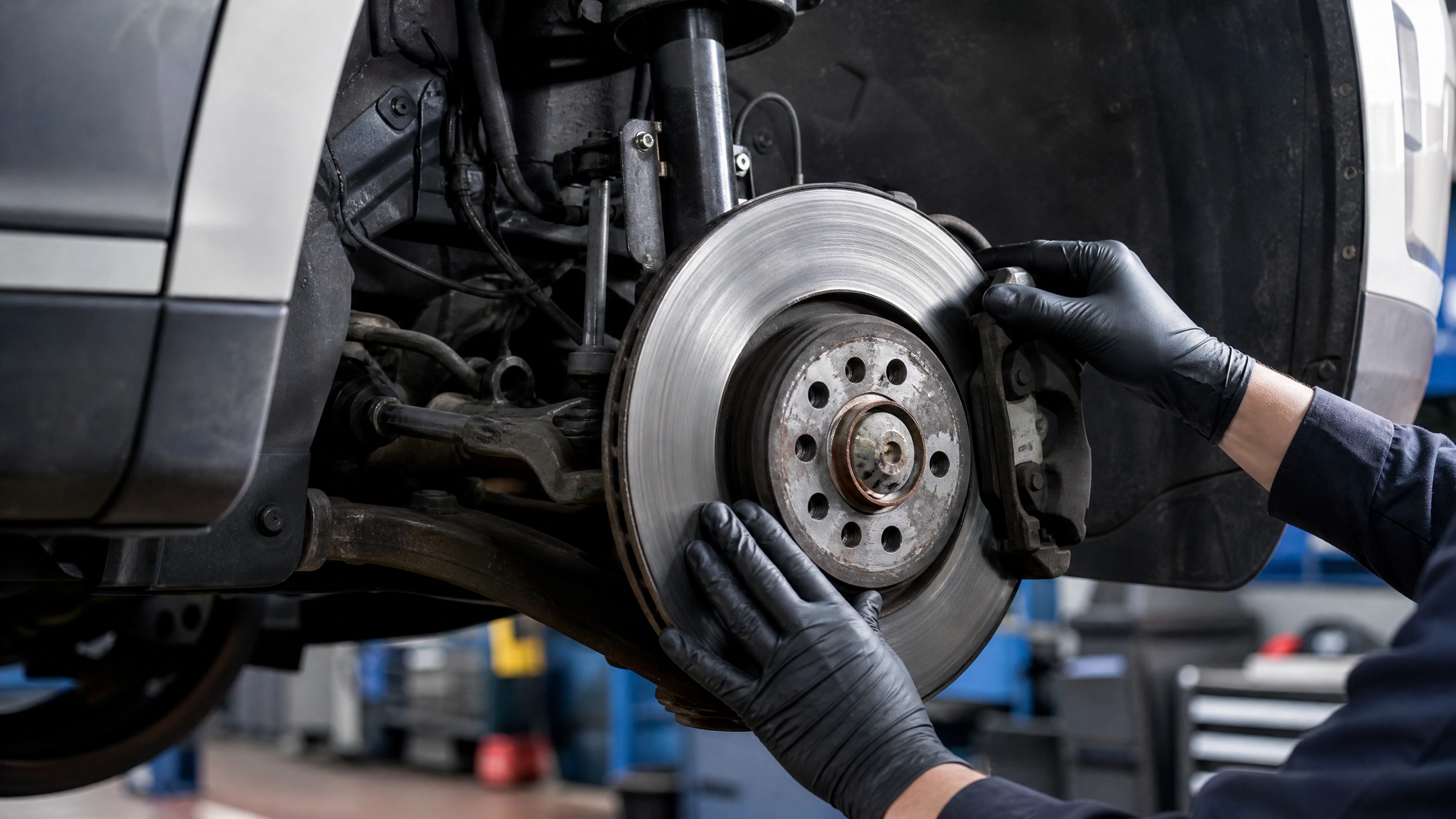
Water on the road acts as a lubricant between your brake pads and rotors. The first time you hit the brakes in a storm, there might be a split-second delay while the pads wipe the water off the metal.
Following Distance
I teach my junior mechanics the 10-second rule for heavy rain. In dry weather, a 3-second gap is usually enough. In the rain, you need at least 10 seconds of space between you and the car in front. This gives you plenty of time to react if they slam on their brakes or if you start to slide.
| Component | Rainy Season Check | Alex’s Pro Tip |
|---|---|---|
| Tires | Check for 4/32″ tread or more | Check pressure weekly; cold air drops PSI. |
| Wipers | Inspect for tears or streaking | Clean the rubber with a damp rag once a month. |
| Brakes | Listen for squealing or grinding | Wet brakes can “fade”; pump them gently after deep puddles. |
| Lights | Verify all bulbs are working | Turn on your full headlights, not just DRLs. |
—
5. Handling Puddles and Flooded Roads
I’ve seen too many engines “hydrolocked” because a driver thought they could make it through a deep puddle. Hydrolocking happens when your engine sucks in water instead of air. Since water doesn’t compress, it shatters your pistons and bends your connecting rods instantly.
The Rule of the Hub
If you can’t see the bottom of a puddle, don’t drive through it. If you must, follow the rule of the hub: if the water is deeper than the center hub of your wheels, turn around. It’s not worth a $5,000 engine replacement.
6. The “Rainy Day Readiness” Quiz
Are you prepared for the next big storm? Take this quiz to find out if your car is a submarine or a safe haven.
Alex’s Storm Prep Quiz
Question 1: You start to feel the steering get “light” and the car isn’t responding to your inputs. What should you do?
7. Final Check: Battery and Alternator
Rainy weather means your car is working harder. You’ve got the wipers on, the headlights on, the defroster on high, and maybe the heated seats too. This puts a massive load on your alternator.
I always check my battery terminals for corrosion before the rainy season starts. Moisture can bridge the gap between a dirty terminal and the frame, causing a slow drain that leaves you stranded in a storm. Use a wire brush and some terminal protector to keep the connection solid.
Rainy season driving doesn’t have to be stressful if you know your car is up to the task. Take the time to do these simple checks now, so you can drive with confidence when the clouds roll in.
Stay dry, and keep those tires grounded.
— Alex
Related posts:
 Ultimate Guide to Car Audio System Upgrades: From Basics to Audiophile Bliss
  Why Your Car Pulls to One Side: Diagnosing Alignment and Brake Issues
  How Long Do Brake Pads Last? Best Replacement Timing Guide
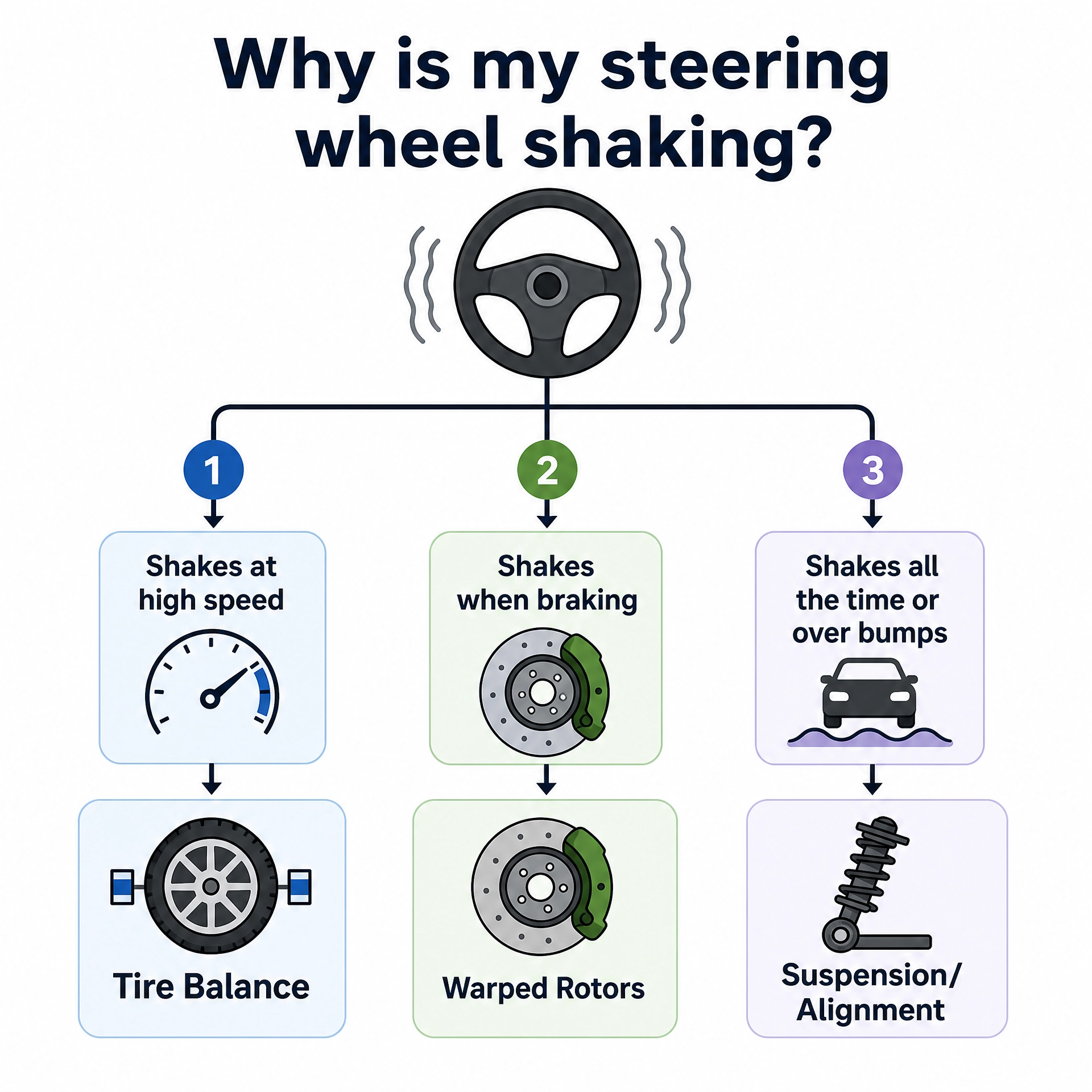
  Why Is Your Steering Wheel Shaking? (Diagnosing Tire Balance, Warped Rotors, and Loose Suspension)
Leave a Reply