
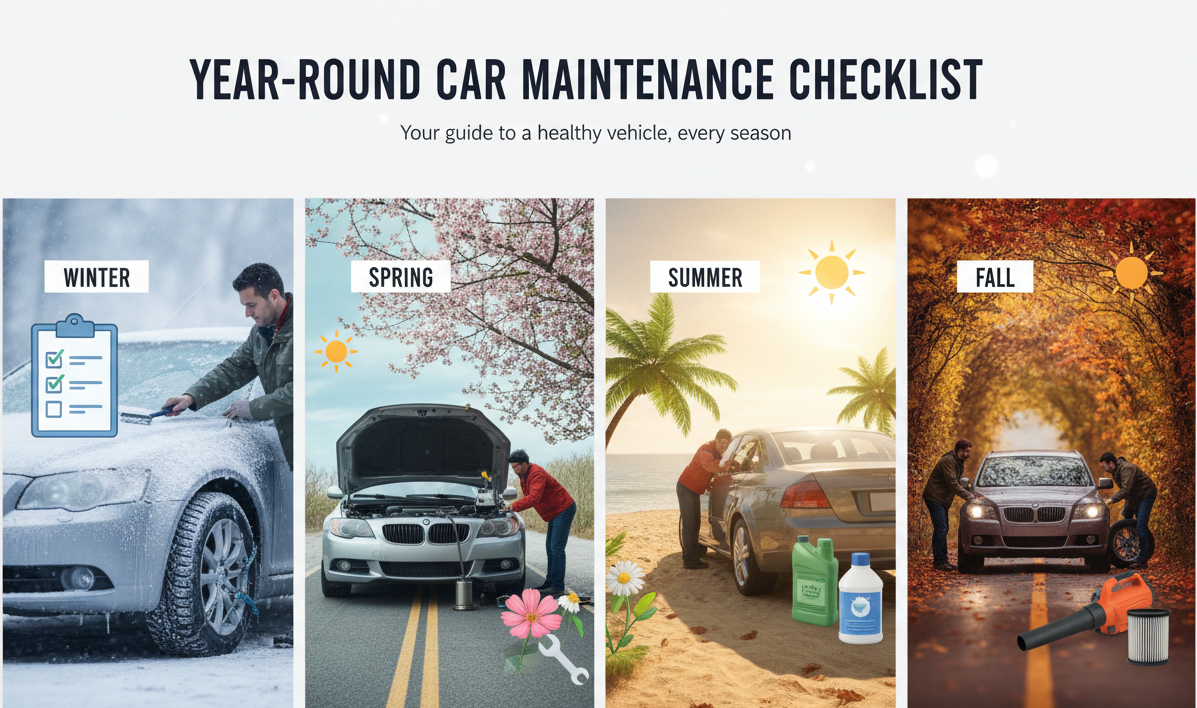
Having a car is convenient, but it also brings a certain amount of responsibility. Over time, it turns out there’s one simple truth when it comes to cars and friends and family that I’ve worked on vehicles and helped maintain theirs: With consistency, most failures can be avoided.
This Comprehensive Year-Round Car Maintenance Checklist: From Oil Changes to Brakes, Fluids and More can help drivers keep their vehicles operating efficiently, helping to prevent costly repairs, improve safety and keep their vehicles on the road longer.
Even if you just drive it every day to work, are an automotive content creator, or want to keep your car as dependable as possible, learning about routine maintenance can save you time, stress, and money.
This guide will show you what to look for all year long, why it matters and how to develop a maintenance routine that really works in real life.
Why Every Driver Needs a Year-Round Car Maintenance Checklist: Oil, Brakes, Fluids & More
This guide will tell you what to monitor during the year, why it is important, and how to develop a maintenance habit that really works in life. Few drivers give maintenance a thought until a warning light comes on or something begins making noise. But that line of thinking is what causes big problems.
An annual care routine will help you:
- Avoid unexpected breakdown reserved
- Help it run more efficiently, which saves gas
- Prolong engine and transmission life
- Keep your brakes working safely
- Save money by avoiding long-term repairs
- Make sure your car runs smoothly in all types of weather.
The longest-lasting cars from my experience working on many high-mileage vehicles are not always the newest ones, but the consistently maintained ones.
Drivers often look for answers on:
- How frequently to service a car
- seasonal tips for car maintenance
- which fluids check in the car
- essential car maintenance checklist for novices
This post tells you all (well, most) of those things, step-by-step.
Engine Oil Maintenance: The Heart of Your Vehicle

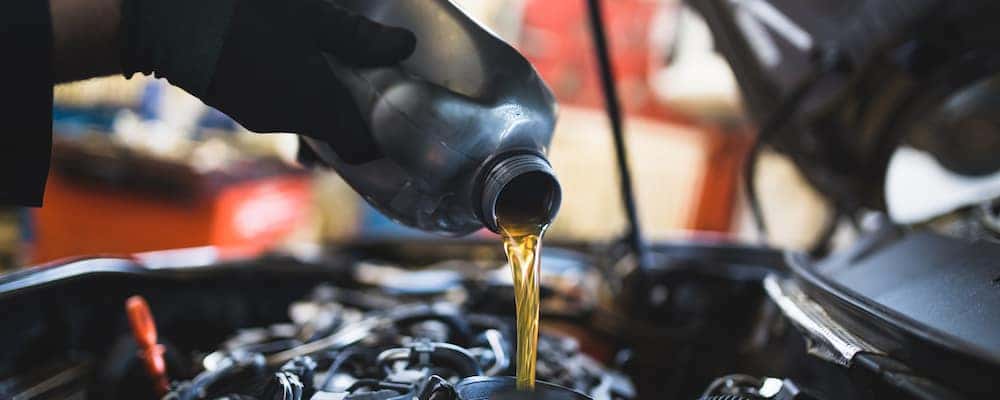
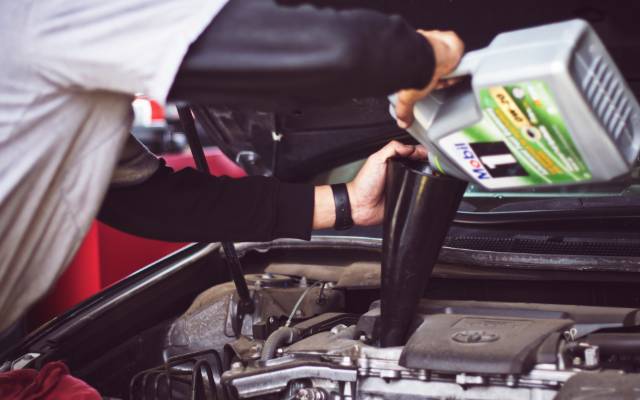
Engine oil is the lifeblood of vehicle health. It coats the engine’s moving parts, helping to reduce heat and prevent metal-on-metal contact.
When I first became interested in car maintenance, I found a lot of drivers who neglected oil checks because the car “felt fine.” However, oil degradation is a slow process and by the time one notices signs of it, engine wear may have already started.
How Often You Should Check Engine Oil
A good practice is:
- Check oil level once a month
- Perform oil changes every 5000 to 10,000 km (or as recommended by the manufacturer in the owner’s manual)
- Check oil prior to long distance driving
Even more modern engines advertising longer intervals still wonder on a regular basis.
Signs Your Oil Needs Attention
Be alert for:
- Oil that is dark or gritty
- A noisy engine
- Poor fuel economy
- Oil dashboard warning light
- Burning smell in the engine bay
A Tip from Real Life Experience
I once helped a friend troubleshoot an engine that was running rough and turned out to be low on oil. It wasn’t mechanical failure–just one missed routine check. After doing a real oil change, the engine is back to normal. That experience cemented how small habits in maintenance can make a huge impact.
What are the Consequences of Not Changing the Oil in Time?
Avoiding oil change maintenance can result in:
- Engine overheating
- Sludge accumulation
- Engine wear-down
- Expensive replacement of engine parts
Checking the oil regularly is the easiest yet most effective way to keep a car running reliable. ________________________________________
Brake Inspection Guide in the Year-Round Car Maintenance Checklist
The braking system of your car is the most essential safety element. Brake issues can affect your ability to stop safely, which is not the case with engine problems.
How Often Brakes Should Be Checked
Best practice:
- Inspect the brakes every 10,000 – 15,000 kms
- Prior to long trips
- Watch out for unusual noises from daily use
Warning Signs of Brake Problems
Typical issues are:
- Grinding & squeaking noises
- Braking shakes
- Vibrations upon braking
- Longer stopping distance
- Soft or spongy brake pedal
- Pulling to one side while braking
Never ignore these signals.
Why Brake Maintenance Is More Important Than Drivers Realize
The one thing I’ve learned spending years around cars is that brakes don’t all of a sudden go bad with no notice for that very reason. There is so much that can go wrong with a car’s brakes, and of course most of these problems cause the brakes to give warning signs in advance.
Any driver who catches this early on can save himself/herself from expensive repairs and potentially dangerous driving conditions.
Routine brake checks also:
- Help protect brake rotors
- Ensure smooth stopping performance
- Enhance your driving confidence
Essential Fluid Checks Every Car Owner Should Know
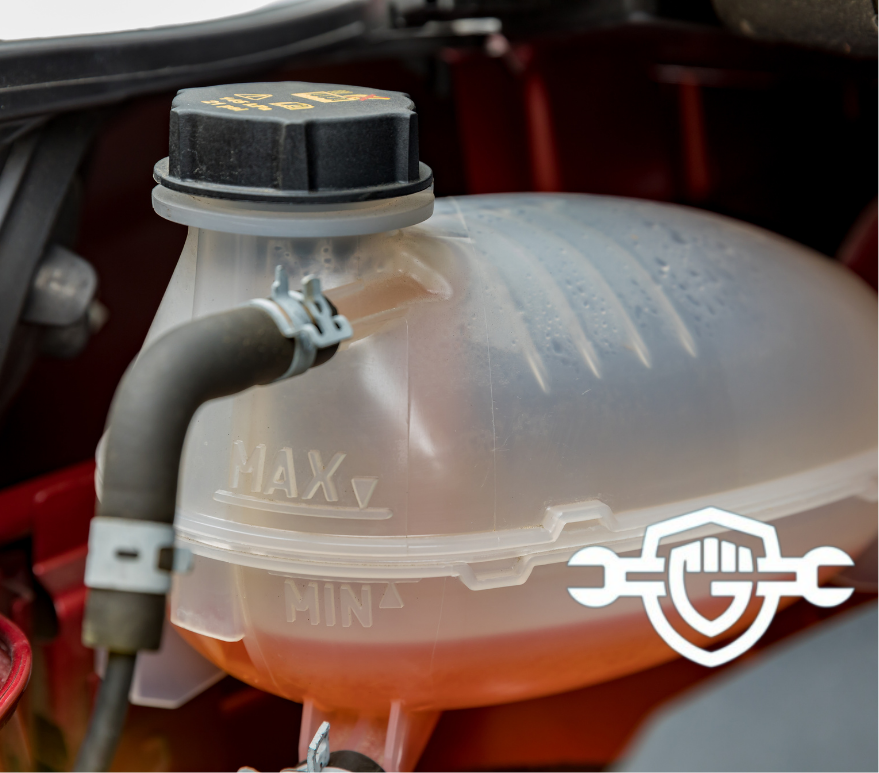
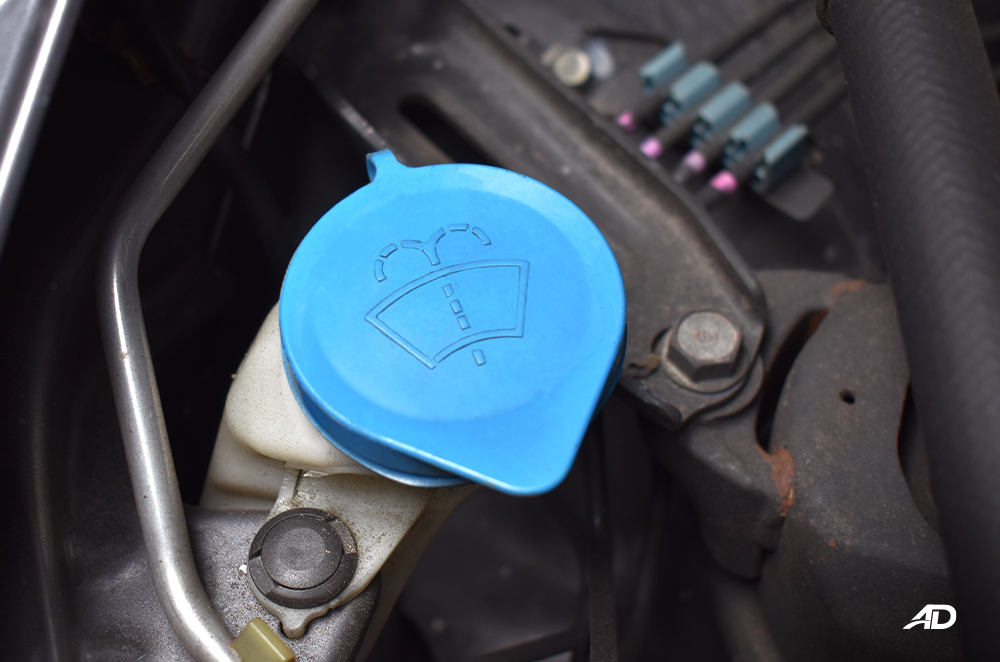
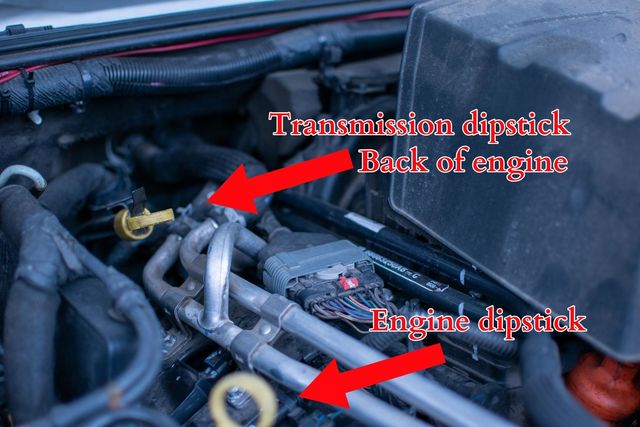
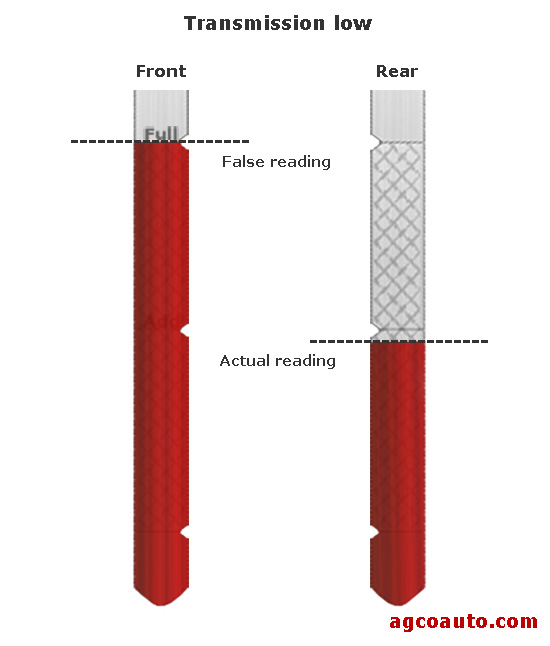
Fluids are the lubricant and cooler for all the moving parts of your vehicle. So, when drivers are looking up what fluids to check in a car and how often, that’s really what they need to know.
Coolant (Engine Temperature Control)
Coolant protects the engine from getting too hot, and it shields the engine from freezing.
Check coolant:
- Monthly
- Before traveling far
- If temperature gauge rises unusually
A low coolant level can bring about an overheated engine – one of the costliest engine mischiefs.
Transmission Fluid
Transmission fluid permits efficient gear engagement and cushions the internal parts.
Transmission fluid problems symptoms:
- Hard or delayed shifting
- Burning smell
- Slipping gears
- Strange sounds when you accelerate
Brake Fluid
Brake fluid takes the force from your foot on the brake pedal and transmits it to your brakes. If the brake fluid gets contaminated or low, expect the following:
- Reduced braking efficiency
- Increased risk to safety
Power Steering Fluid
Without adequate power steering fluid:
- Steering becomes heavy
- Increased steering noise
- Parts wear out faster
Windshield Washer Fluid
Neglected but necessary for visibility even in:
- Rainy conditions
- Dusty roads
- Long trips
Keeping all fluids in-check is a small but mighty way to keep your car dependable.
Seasonal Car Maintenance Tips for Reliable Driving
A lot of people are in search of seasonal car maintenance checklist for summer and winter, and they certainly have good reasons in doing that. Changes in the weather have a bigger effect on the performance of a vehicle than what most drivers might expect, said Riccitelli.
Summer Maintenance Checklist
Hot weather can stress engines and cooling systems.
Important checks:
- Cooling system performance
- Tire pressure (heat expands air)
- Battery health
- Air conditioning system
- Engine belts and hoses
Rainy Season Maintenance
Risky situations are even more common in rainy weather.
Focus on:
- Tire tread depth
- Brake responsiveness
- Windshield wipers
- Lighting system
- Defogging systems
Cold Weather Preparation
The cold-cold period can be damaging to cars, even in areas where the freezing point is not reached on a regular basis.
Maintenance steps:
- Battery inspection
- Tire condition
- Engine warm-up behavior
- Fluid levels
In my experience, getting your vehicle ready for the season is one of the best ways to avoid getting stranded while traveling.
_______________________________________________
Tire Maintenance and Safety Checks
Tires have a direct impact on the handling, fuel economy, and safety of a vehicle. Drivers often look for:
- how often to rotate tires
- how to check tire wear
- proper tire pressure maintenance
Monthly Tire Checks
You should check out:
- Tire pressure
- Uneven wear
- Sidewall damage
- Tread depth
Why You Should Care About Tire Pressure
The wrong pressure may lead to:
- Poor mileage per gallon
- Loss of traction
- Tire wear irregularities
- Greater chance of tire blowout
Tire Rotation
Rotating tires helps:
- Extend tire lifespan
- Promote balanced handling
- Reduce uneven wear
Rule of thumb:
Rotating the tires every 5,000 to 6,000 miles.
Battery Health and Electrical System Maintenance
Battery malfunction is among the top causes of vehicles not starting.
Signs of Weak Car Battery
Watch out for:
- Slow Crank or no start
- Dim headlights
- Electrical glitches
- Battery warning light on dash
How Often Batteries Need Testing
A simple check every now and then helps to prevent headaches down the road.
Maintenance consists of the following:
- Cleaning battery terminals and checking cable connections
- Monitoring charging system performance monitoring charging system performance
From what I can tell, a lot of people replace the battery after it has stopped working, but you can catch problems before then.
________________________________________
Air Filters and Engine Efficiency
Air filters are important for engine performance and for the air quality inside the car.
Engine Air Filter
A clean filter can help you:
- Increase your mileage/ fuel economy
- Keep your engine running smoothly
- Minimize your emissions
Replace usually every:
- 15,000–20,000 km under normal conditions of use.
Cabin Air Filter
It is good for:
- The air quality in your car
- AC efficiency
- Passenger comfort
Especially for those who live in the desert or near an urban sprawl.
________________________________________
Lights, Visibility, and Safety Checks
Visibility is key to safe driving.
Inspect regularly:
- • Headlights
- Brake lights
- Turn signals
- Reversing lights
- Indicators on the dash inside the car
Be surprised, not all drivers are aware of the fact that their light has blown. During a routine inspection I used to assist with, a car was missing a functioning brake light for weeks — the driver never saw it was out, but certainly other drivers did.
Building a Practical Maintenance Routine That Works
Consistency is often the biggest hurdle for the majority of drivers, not knowing what to do. A straightforward plan that is effective:
Periodic Checks
- Amount of engine oil
- Tire pressure
- Coolant Level
- Washer fluid
- Lights
Every 3–6 Months
- Brake inspection
- Battery test
- Tire rotation
- Air filter check
Annually
- Check everything
- Fluid service as required
- Suspension test
- Alignment test
This regimented routine is well-suited to the Year-Round Car Maintenance Checklist, as it will help drivers stay orderly and ahead of the maintenance curve.
________________________________________
Common Car Maintenance Mistakes to Avoid
Even responsible car owners make these mistakes sometimes:
- Overlooking minor warning signals
- Minor rattles and vibrations are often symptoms of early problems.
- Not checking fluids
- Plenty of drivers check the oil but forget the coolant or the brake fluid.
- Waiting for warning lights. When a warning light does go on, the problem may already be severe.
- Procrastinating inspections before road trips. This contributes to an increase in failures.
One of the biggest lessons I’ve learned working on vehicles is that preventive maintenance is always less expensive than repairs.
________________________________________
Final Thoughts
A car that is well taken care of is safer, more efficient, and much less stressful to own. You can rest assured that by using this Year-Round Car Maintenance Checklist, you will not neglect any important system.
The fact is, car maintenance has never needed to be so complex. With a steady pattern and vigilance for the early signs, you can avoid most big problems entirely. If you are a daily commuter, a long-distance traveler or just someone who wants to have peace of mind behind the wheels, you could use this guide to keep your vehicle reliable all year long.
And in my experience, as soon as you get in the habit of doing routine checks, it just becomes second to nature – and your car will repay you with years and years of dependable performance.
Leave a Reply