
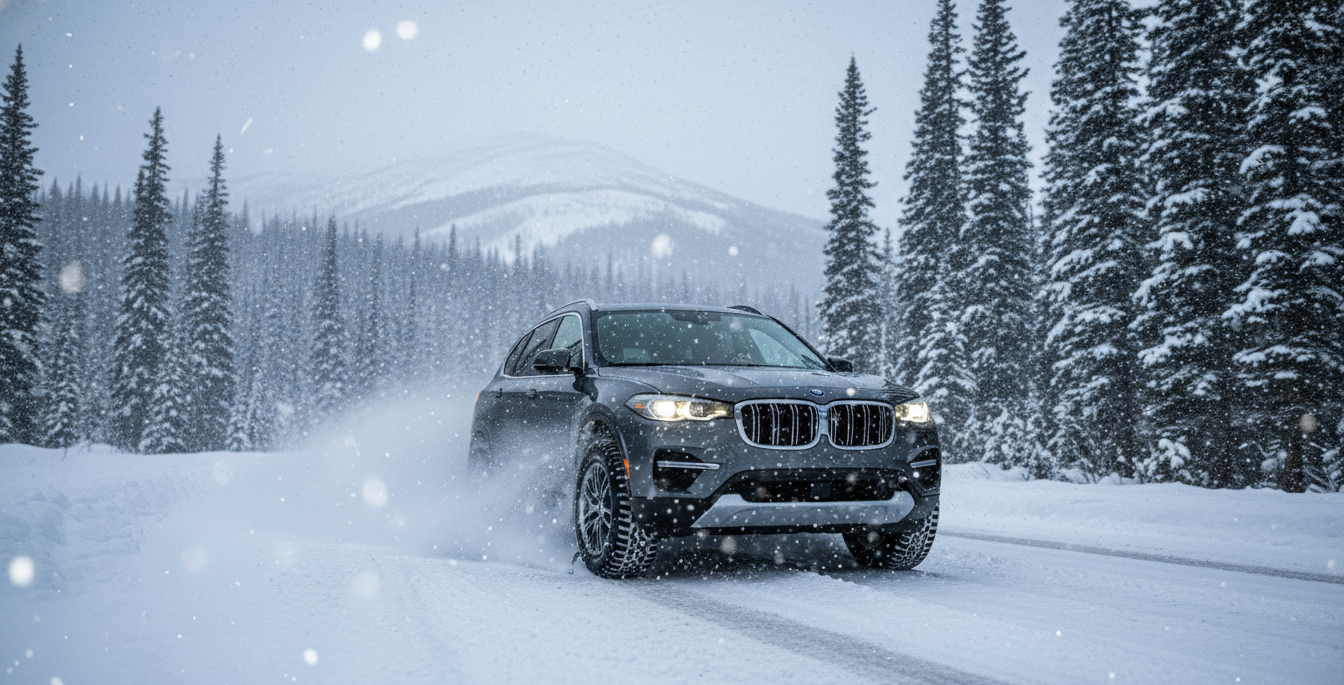
There’s just a feeling on that first chilly morning you walk out to your car and know beyond any doubt that summer is a thing of the past. Maybe it’s the frost on your windshield, or that fraction of a second when your engine hesitates just a little bit more than usual before firing up. Winter forces our cars to work for us in ways we don’t always think about during the summer.
Preparing your vehicle for winter is about more than just escaping the hassle of a dead battery on a frigid morning (dark-early mornings make good reasons to include “motivation level” in any vehicle-prep checklist indeed). It has to do with ensuring your personal safety and the safety of your passengers when the roads are freezing over and visibility is compromised. So let me tell you what really counts when it comes to winter-driving maintenance.
Why Winter Car Preparation Actually Matters
I have learned this the hard way: winter doesn’t care if you’re running late or if it’s the worst possible time for car trouble. From the fluids that lubricate your engine to the rubber o-rings and other components that can become brittle in cold temperatures, frosty weather affects almost every system in your car.
Your car’s battery loses about 35 percent of its power at 32°F and up to 60 percent at 0°F. Meanwhile, your engine oil thickens, your tire pressure drops and all those little things you’ve been ignoring suddenly become big problems. Preparing for winter is not about paranoia, it’s about reality.
Check Your Battery – Before It Checks Out on You
The most common winter car problem is battery failure, so let’s get that out of the way right away. Changing the battery is an often-overlooked winter maintenance task. Is your car battery old? It only takes about five minutes, and they’ll usually do it free of charge.
Check the battery terminals, as well. That white, crusty buildup isn’t just unsightly — it’s corrosion that is impeding the electrical connection. You can clean it off with some baking soda and water, but make sure the car is off and you unhook the negative terminal first.
Also make sure the battery is firmly bolted in. A rattling battery can bounce around and cause extensive damage to the under-hood components, drastically reducing its life. If you live in a place that routinely gets below zero, think about getting a battery blanket/heater – especially if you park outside at night.
Winter Tires: The Best Safety Buy
This is where people often pinch pennies, and I understand — winter tires seem like such a pain to buy. But if you live anyplace that routinely gets snow and ice, they’re life-altering. All-season tires are a bit of everything that’s okay bit of everything, and that makes sense in mild weather situations but are none-compliant for particular meteorological climates.
Winter tires tend to be made of a softer rubber compound that remains flexible in cold temperatures, meaning they offer better traction even on cold, dry asphalt. The treads are designed to grip snow and remove slush water. The difference in braking distance can be as much as several car lengths, which could determine whether you end up in a near miss or a crash.
If winter tires aren’t an option this year, at least make sure to measure the depth of your current tire treads. The penny-test is valid: insert a penny in the tread with the head of Lincoln facing down. If the top of the head is visible, then the depth of your tire is below the safe treading depth and it needs a replacement. In fact, you want more tread on your tires in winter than the legal limit.
Winter is coming, after all, so keep an eye on tire pressure in the cold. You lose about 1 PSI in your tires for every 10 degrees the temperature drops. Underinflated tires reduce traction, and fuel efficiency, while overinflated tires may cause your car to behave erratically on icy roads.
Fluids: The Stuff You Cannot See, but You Definitely Should Have
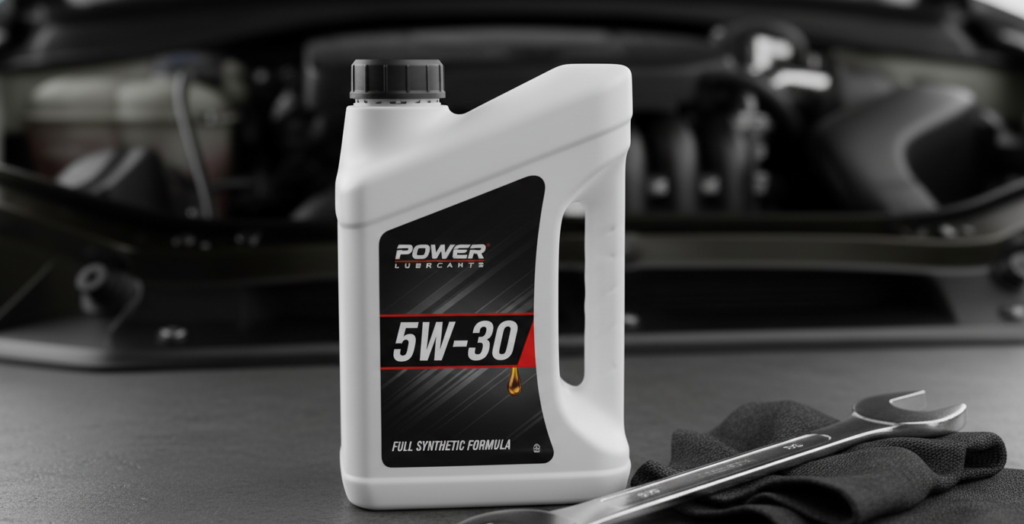
Your engine oil thickens and flows slower in cold weather, so your engine has to work harder to pump the oil. Use winter-grade oil for your next oil change if applicable. A few things you need to know about oil viscosity. 5W-30 Oil has better low temperature flowability than 10W-30. 5W-30 performs better in cold weather than 10W-30 due to better flow characteristics at low temperatures.
Coolant also should get TLC, though it seems strange in the dead of winter. Your coolant should be the correct mixture usually 50/50 of the antifreeze and water to not freeze up and to protect your engine. You can check this with a cheap hydrometer from any major appliance store. Replace the battery if your electrolyte test is low If mixture is off your coolant can freeze and crack your engine block and that my friend is a very expensive way to learn a lesson.
Windshield washer fluid is just one of those trivial things you don’t think about until you really need it. Use a winter formula that is suited for the coldest temperatures you expect to have. That summer formula that worked fine in July will freeze your eyeballs at 25°F, as you try to look through road salt and grime that you can’t wash off, because you can’t wash off the windshield.
Wiper Blades and Visibility
While we’re on the subject of windshields, how long has it been since you changed your wiper blades? Everyone holds on for too long. They’re not doing their job if they’re streaking, chattering, or leaving spots. Winter wiper blades are equipped with a rubber boot to guard against ice from forming on the blade assembly, this allows it to keep seamless contact with the windshield, even in freezing rain.
Be sure your defroster is working before you need it in a crisis. Test the front and rear defrosters. If they’re not effectively removing condensation or frost, there may be a problem with the heating system.
Belts, Hoses, and the Stuff Under the Hood
Cold weather dries out the rubber, making it brittle and susceptible to cracking or breaking. Spend a few minutes looking over your belts and hoses. Check for cracks, fraying, or soft spots. When a belt appears glazed or shiny, that means it’s slipping and needs to be replaced. Don’t wait for the hose to fail when you’re on the road in the worst weather possible if a spongy feeling is apparent or if there are any cracks.
Your alternator, power steering and water pump are all driven off your serpentine belt. If it breaks in winter, you’re going nowhere. They’re relatively easy to replace and much less expensive than a tow truck on a snowy night.
Assemble a Winter Emergency Kit
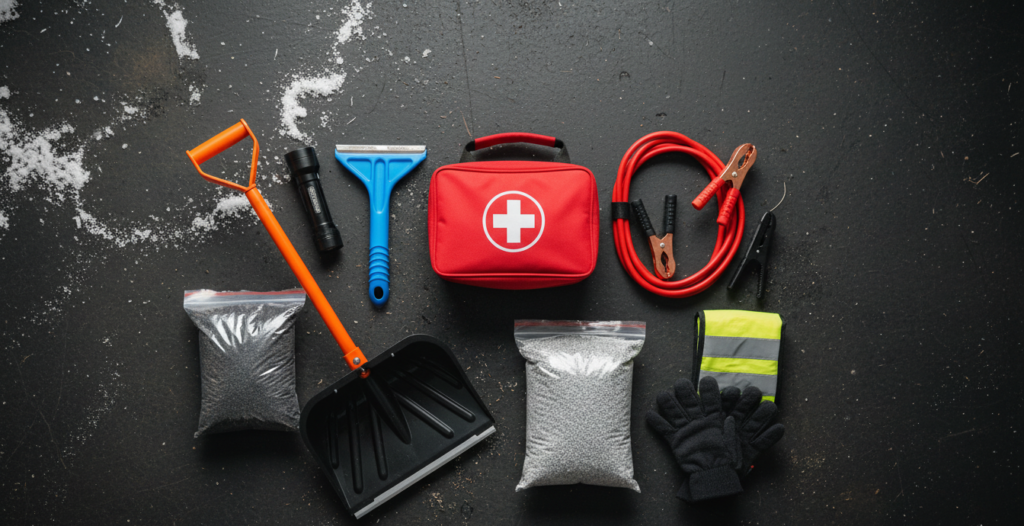
Even in cases of perfect maintenance, things can fail. You’re not being dramatic by keeping an emergency kit in your trunk — you’re being prepared. Pack a blanket or sleeping bag, flashlight (with extra batteries), first-aid kit, jumper cables, ice scraper, small shovel, sand or kitty litter for traction and some non-perishable snacks and water.
I also keep a phone charger in my car, since there’s nothing quite as bad as a dead phone battery when you’re stranded in a car with a dead battery. If you can call for help, you’re half way to fixing most problems.
The Small Things That Make a Big Difference
While you’re getting everything else sorted, take care of a few often-overlooked things. Be sure all your lights work: headlights, tail lights, brake lights and turn signals. Winter weather has already reduced visibility, and out-of-service lights are making you almost invisible to other motorists. Inspect your door seals and see whether they are cracked or broken. A little silicone rubber lube on the seals keeps them from freezing shut. There’s nothing quite like not being able to open your door after an ice storm.”
If your car has a remote starter, make sure it is working. And if you don’t already have one and your car can be fitted with one, get one — the ability to start your car from inside your house on an icy cold morning is a luxury that you’ll wonder how you lived without.
The Bottom Line
Getting your car ready for the winter doesn’t call for a degree in engineering or the whole weekend. A little focus now can save you a lot of grief (and maybe worse) later. Many of these inspections are simple enough to perform on your own. Even if there’s one you’re not comfortable with, you should have no shame in letting a mechanic take care of it.
It’s not to wait for the forecast to show that first big storm. By then, the service centers are jam-packed with people who had the same idea. Do it now, while you have the good weather and wait times on your side. You’ll thank your future self, who isn’t freezing and making it on time.
Leave a Reply